Faculty Accomplishments
Page 47 of 61
Photographs by Professor of Art Gary Green are included in the exhibition Brevi storie sull’animale strumentale, on view in the gallery Lab 27 in Treviso, Italy. The images come from Green's forthcoming book, The River is Moving/The Blackbird Must be Flying. Lab 27 is a cultural and exhibition space that encourages dialogue and makes space for discussion, study, training, and exposure to photography and the visual arts.
Herb Wilson, the Leslie Brainerd Arey Professor of Biosciences, Emeritus, will present a webinar titled "Changing Bird Populations in Maine" for Western Maine Audubon Oct. 14 at 7 p.m. During the webinar, Wilson, a noted ornithologist, will "explore the changes in Maine’s birds over the past two centuries, using a variety of resources," the Lewiston Sun-Journal reports.
Among Wilson's interests are the impacts of global climate change on bird migration, which he discusses in his most recent column in the Portland Press Herald.
A new study by Professor of Psychology Martha Arterberry, Northwestern University's Susan J. Hespos, Cole Walsh '19, and Carolyn Daniels '19 was published in the journal Infancy. The paper, "Integration of Thought and Action Continued: Scale Errors and Categorization in Toddlers," explores the effect of weighted arms on toddler's performance in problem-solving. "Weighting the arms did not affect error rates, in contrast to previous research showing that weights improved performance in search tasks," states the abstract. "The findings are discussed in light of children's difficulty in integrating perception, cognition, and action."
President David A. Greene, in consultation with the Committee on Promotion and Tenure and Provost and Dean of Faculty Margaret McFadden, and the approval of the Board of Trustees, has recently promoted six faculty members.
Yuri “Lily” Funahashi, music, has been promoted to associate professor while professors receiving a promotion to full professor include James Behuniak, philosophy; Walter Hatch, government; Lydia Moland, philosophy; Philip Nyhus, environmental studies; and Liam O’Brien, statistics.
“Each one of these exceptional faculty members has made unique and important contributions to Colby,” said Provost McFadden. “But what they have in common is that they are dedicated and transformative teachers and advisors, innovative and widely admired creative and scholarly researchers, and generous and effective leaders of the campus community. I so admire what they have accomplished and am so grateful for all that they bring to the College.”
James Behuniak
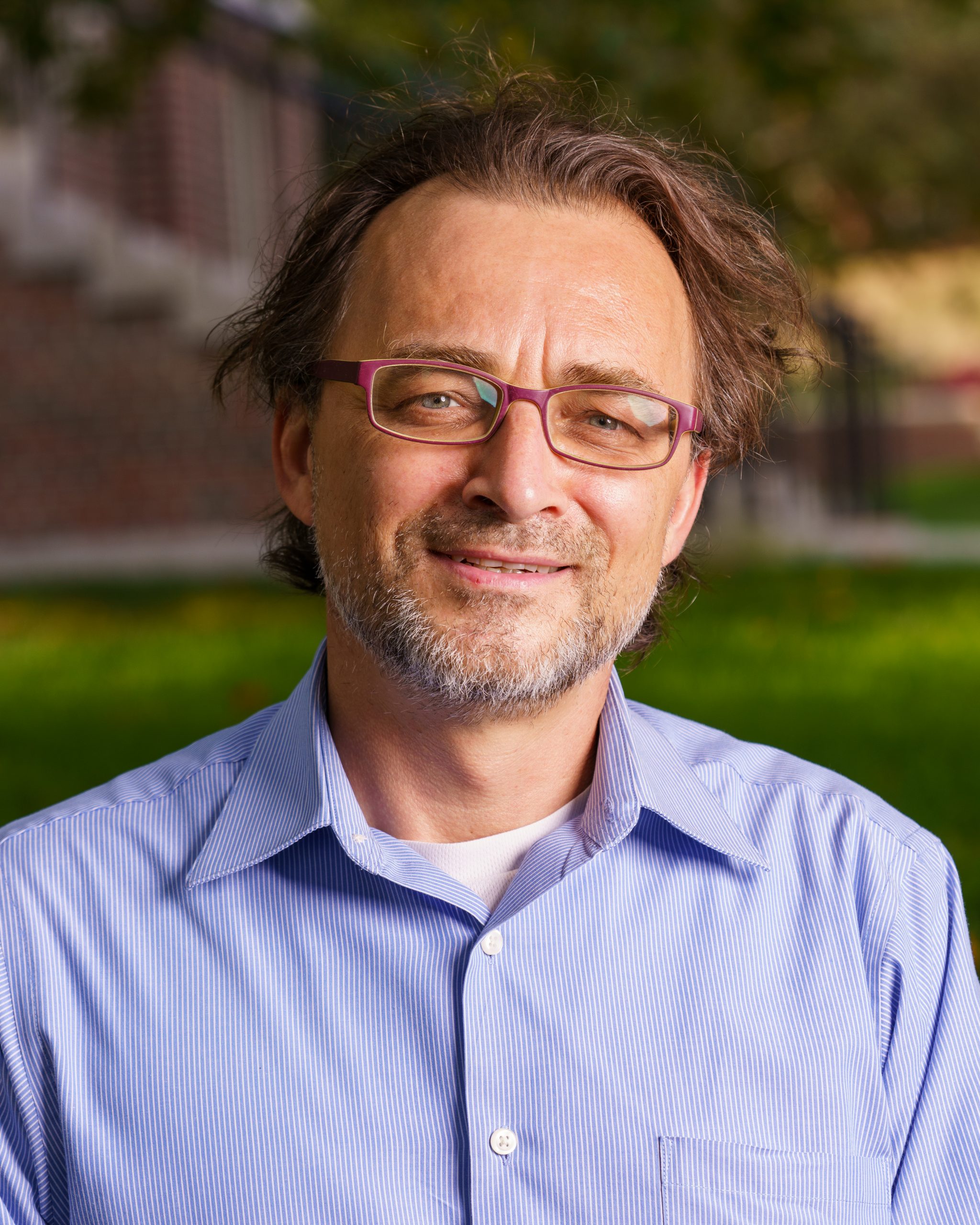 A scholar of both Chinese and American philosophy, Jim Behuniak has established an international reputation as a leader in the field of comparative philosophy. His record of scholarship includes the production of a two-volume set of books (over 800 pages) comparing the philosophy of John Dewey with Daoist and with Confucian thoughts; an edited anthology; and 15 journal articles and book chapters, all published in top venues. Behuniak’s work is widely cited in the field, and others see him as a leading defender and interpreter of Chinese philosophy and as “a bridge-builder between China and the rest of the world.” Winner of the 2011 Charles Bassett Teaching Award, Behuniak is said by students to teach challenging philosophical concepts with clarity and rigor. He holds an M.A. and a Ph.D. from the University of Hawai’i at Mānoa, and a B.A. from the University of Southern Maine.
Yuri “Lily” Funahashi
A scholar of both Chinese and American philosophy, Jim Behuniak has established an international reputation as a leader in the field of comparative philosophy. His record of scholarship includes the production of a two-volume set of books (over 800 pages) comparing the philosophy of John Dewey with Daoist and with Confucian thoughts; an edited anthology; and 15 journal articles and book chapters, all published in top venues. Behuniak’s work is widely cited in the field, and others see him as a leading defender and interpreter of Chinese philosophy and as “a bridge-builder between China and the rest of the world.” Winner of the 2011 Charles Bassett Teaching Award, Behuniak is said by students to teach challenging philosophical concepts with clarity and rigor. He holds an M.A. and a Ph.D. from the University of Hawai’i at Mānoa, and a B.A. from the University of Southern Maine.
Yuri “Lily” Funahashi
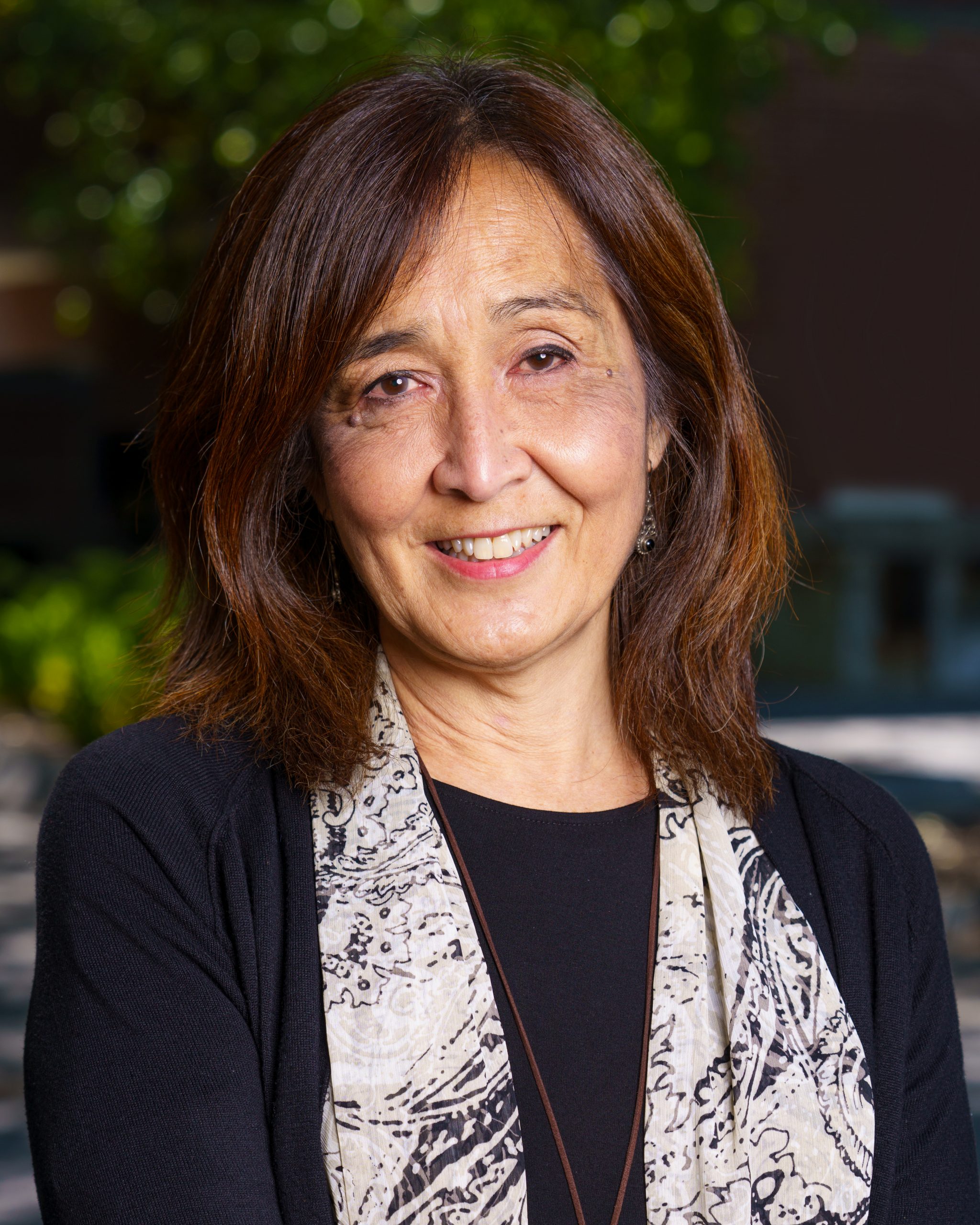 Pianist Yuri “Lily” Funahashi expresses her scholarship as a performer. A generous and collaborative artist, she appears frequently in chamber music performances while also offering solo recitals and performing in concertos. Funahashi participates in performances at Colby, at prestigious regional chamber music series and festivals, with nationally recognized groups like the Cassatt and Daedalus String Quartets, and at Weill Hall at Carnegie Hall in New York. With a reputation for creative and imaginative performances, she tackles difficult contemporary repertoires and new works by women and under-represented composers. A caring and supportive educator, she encourages students to achieve excellence not just by mastering technique but by playing beautifully with emotional and intellectual expression. Funahashi holds a D.M.A. from the Juilliard School, an M.M. from the University of Southern California, and a B.M. from the University of Wisconsin at Madison.
Walter Hatch
Pianist Yuri “Lily” Funahashi expresses her scholarship as a performer. A generous and collaborative artist, she appears frequently in chamber music performances while also offering solo recitals and performing in concertos. Funahashi participates in performances at Colby, at prestigious regional chamber music series and festivals, with nationally recognized groups like the Cassatt and Daedalus String Quartets, and at Weill Hall at Carnegie Hall in New York. With a reputation for creative and imaginative performances, she tackles difficult contemporary repertoires and new works by women and under-represented composers. A caring and supportive educator, she encourages students to achieve excellence not just by mastering technique but by playing beautifully with emotional and intellectual expression. Funahashi holds a D.M.A. from the Juilliard School, an M.M. from the University of Southern California, and a B.M. from the University of Wisconsin at Madison.
Walter Hatch
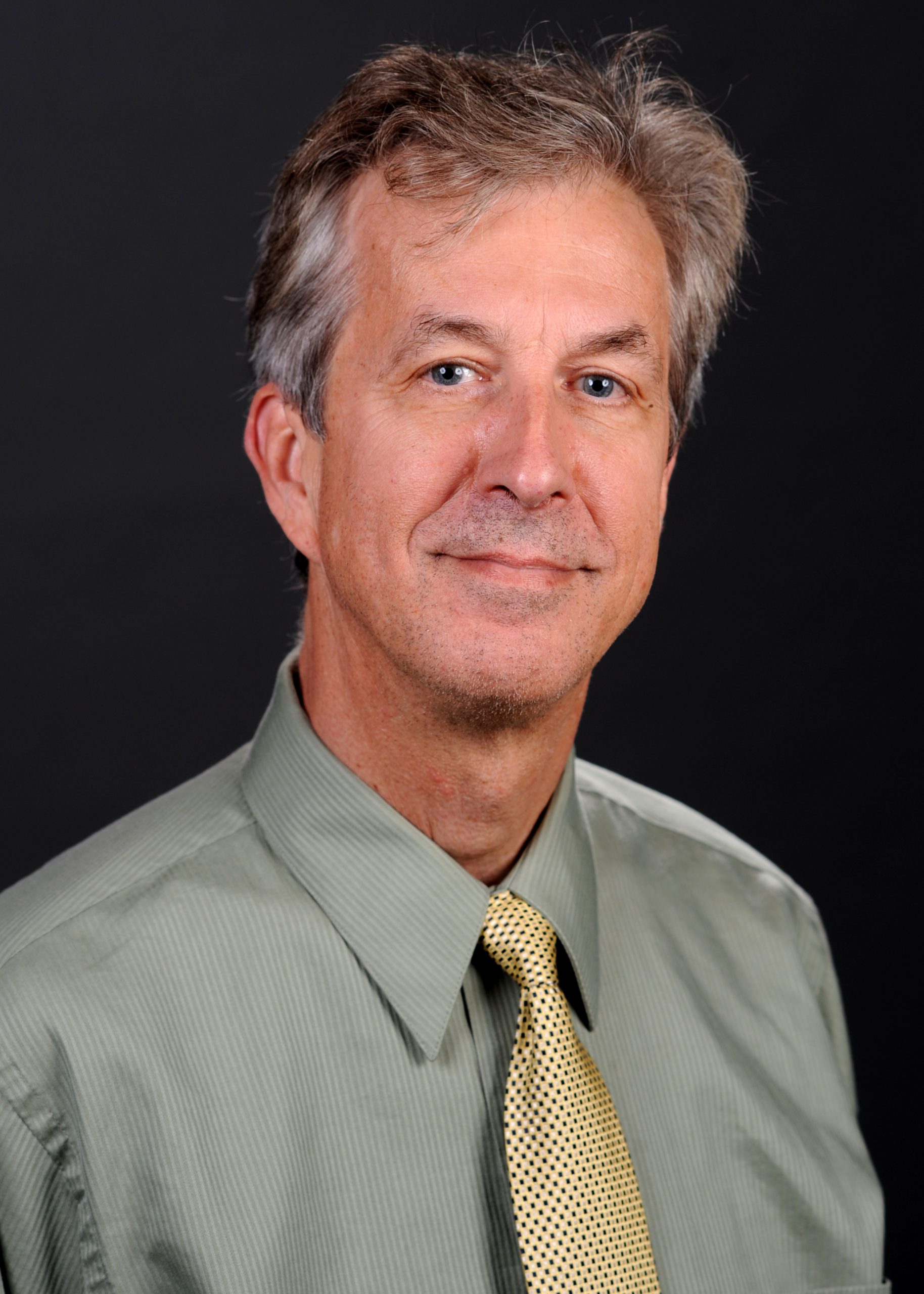 A well-known and well-regarded scholar of Asian political economy, Walter Hatch has written two books on Japan and recently published a new book, Ghosts in the Neighborhood: How Germany has Overcome a Haunted Past but Japan as Has Not, explaining why Germany has had more success than Japan in reconciling with World War II enemies. Scholars herald the book as a major achievement that will have a significant impact on the field. Hatch has also published six articles and book chapters, along with numerous opinion pieces in prominent journals, all of which show original, innovative work. A mentor and sought-after advisor to Colby students, he oversees a large number of student research projects, and while director of Colby’s Oak Institute for Human Rights, he engaged students in the critical work of the institute. Hatch earned an M.A. and a Ph.D. from the University of Washington and a B.A. from Macalester College.
Lydia Moland
A well-known and well-regarded scholar of Asian political economy, Walter Hatch has written two books on Japan and recently published a new book, Ghosts in the Neighborhood: How Germany has Overcome a Haunted Past but Japan as Has Not, explaining why Germany has had more success than Japan in reconciling with World War II enemies. Scholars herald the book as a major achievement that will have a significant impact on the field. Hatch has also published six articles and book chapters, along with numerous opinion pieces in prominent journals, all of which show original, innovative work. A mentor and sought-after advisor to Colby students, he oversees a large number of student research projects, and while director of Colby’s Oak Institute for Human Rights, he engaged students in the critical work of the institute. Hatch earned an M.A. and a Ph.D. from the University of Washington and a B.A. from Macalester College.
Lydia Moland
 Since receiving tenure, philosopher Lydia Moland has deepened her work as a leading Hegel scholar, publishing a new book on Hegel’s aesthetics, an edited volume, one article, seven book chapters, and several pieces that have appeared in the popular media. Additionally, she has a contract for a book on an entirely new topic: a study of the work of American abolitionist Lydia Maria Child. Major research grants in support of her work have come from the American Council of Learned Societies and the National Endowment for the Humanities, prestigious awards that indicate the high quality of her scholarship, her intellectual range and flexibility, and the important contributions to her field. Students describe her courses as meticulously organized, stimulating, and rigorous while praising her captivating lectures infused with gentle humor. Moland earned all of her degrees from Boston University: a Ph.D., an M.A., and a B.A.
Philip Nyhus
Since receiving tenure, philosopher Lydia Moland has deepened her work as a leading Hegel scholar, publishing a new book on Hegel’s aesthetics, an edited volume, one article, seven book chapters, and several pieces that have appeared in the popular media. Additionally, she has a contract for a book on an entirely new topic: a study of the work of American abolitionist Lydia Maria Child. Major research grants in support of her work have come from the American Council of Learned Societies and the National Endowment for the Humanities, prestigious awards that indicate the high quality of her scholarship, her intellectual range and flexibility, and the important contributions to her field. Students describe her courses as meticulously organized, stimulating, and rigorous while praising her captivating lectures infused with gentle humor. Moland earned all of her degrees from Boston University: a Ph.D., an M.A., and a B.A.
Philip Nyhus
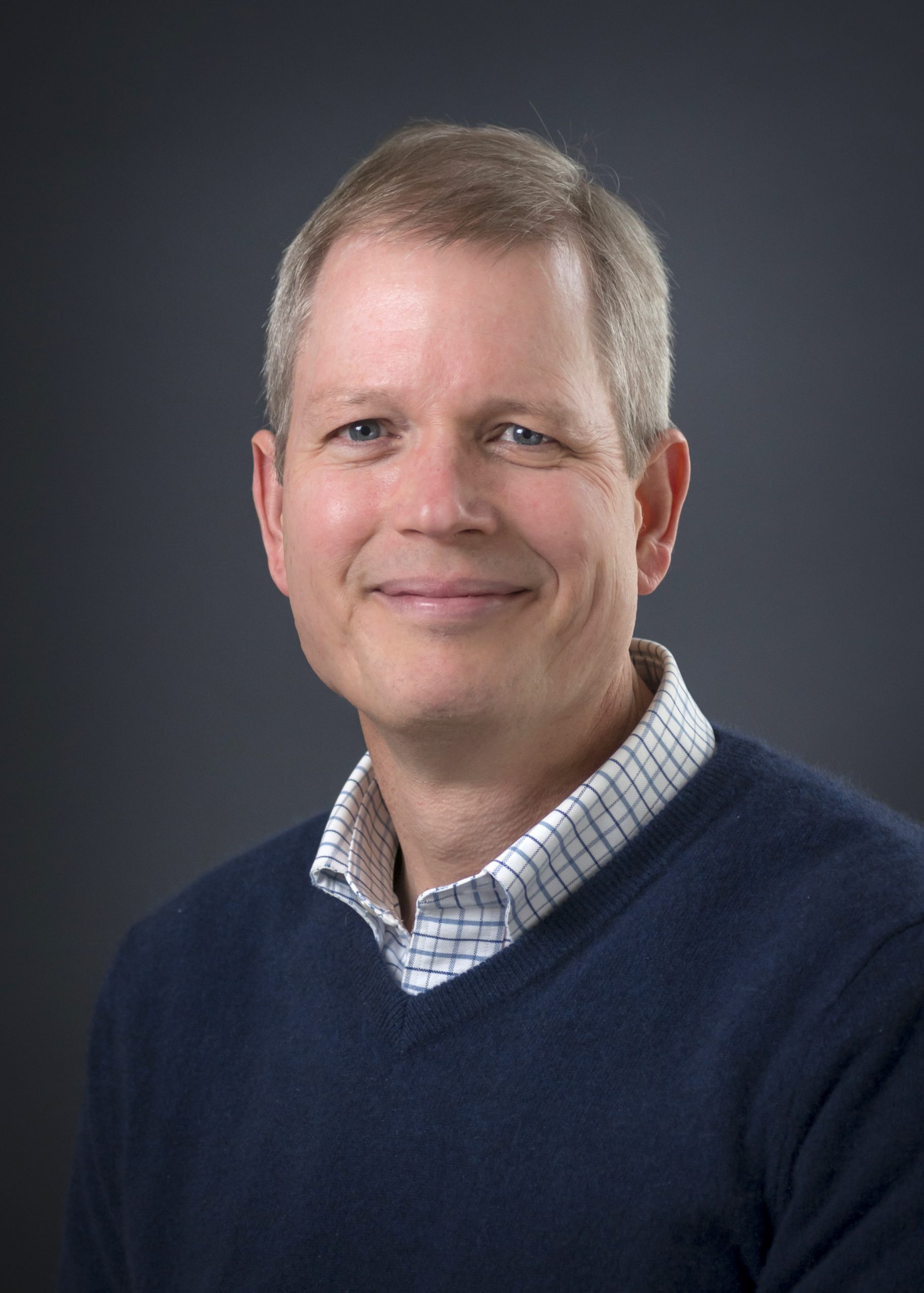 Philip Nyhus, a conservation biologist who focuses on wildlife conservation and human-wildlife interactions, is a productive scholar, generating a body of work that is highly interdisciplinary and that combines social and natural science methods to solve complex environmental problems. A series of books on endangered species conservation that he edited are high profile and widely seen as valuable to scholars and practitioners alike. Well-known and widely read, Nyhus collaborates broadly, working with international and student coauthors to produce work that is timely, up to date, and influential. His expertise is frequently sought by national media outlets and conservation organizations. Colby students gain valuable experience working with Nyhus on cutting-edge, real-world topics in environmental policy or engaging with him on their research projects, rising to meet his high expectations. He holds a Ph.D. and an M.S. from the University of Wisconsin at Madison and a B.A. from St. Olaf College.
Liam O’Brien
Philip Nyhus, a conservation biologist who focuses on wildlife conservation and human-wildlife interactions, is a productive scholar, generating a body of work that is highly interdisciplinary and that combines social and natural science methods to solve complex environmental problems. A series of books on endangered species conservation that he edited are high profile and widely seen as valuable to scholars and practitioners alike. Well-known and widely read, Nyhus collaborates broadly, working with international and student coauthors to produce work that is timely, up to date, and influential. His expertise is frequently sought by national media outlets and conservation organizations. Colby students gain valuable experience working with Nyhus on cutting-edge, real-world topics in environmental policy or engaging with him on their research projects, rising to meet his high expectations. He holds a Ph.D. and an M.S. from the University of Wisconsin at Madison and a B.A. from St. Olaf College.
Liam O’Brien
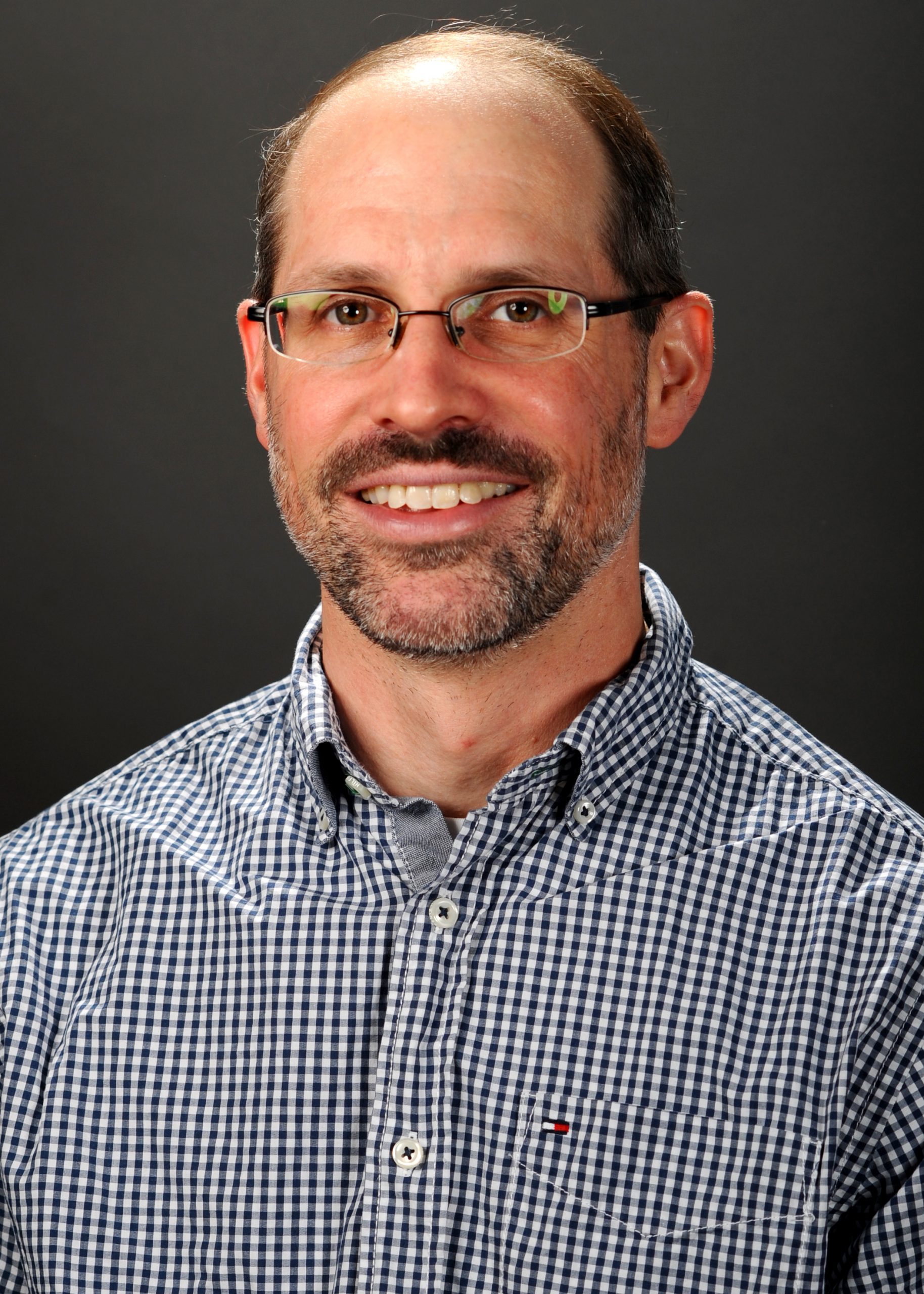 An applied statistician, Liam O’Brien’s scholarly work involves collaboration with professionals in the health sciences, providing guidance on research design, data collection, and data analysis. Much of his work involves long-term collaborations that regularly generate new problems and lead to new publications, including in the development of groundbreaking treatment for opioid-addicted pregnant women. He has published 22 papers in the last 10 years, a rate of productivity comparable to faculty at research universities. O’Brien has become an essential contributor to biomedical and public health research that is having a real impact in improving patients’ lives. At Colby, he has been instrumental in developing the McVey Data Science Initiative, which he will assume the leadership of in the next academic year. With kindness and patience, he helps students succeed in statistics, and he creates a welcoming space for young women and students from under-represented groups. He holds a Ph.D. from Harvard University and a B.Sc. from the Colorado School of Mines.
A scholar of both Chinese and American philosophy, Jim Behuniak has established an international reputation as a leader in the field of comparative philosophy. His record of scholarship includes the production of a two-volume set of books (over 800 pages) comparing the philosophy of John Dewey with Daoist and with Confucian thoughts; an edited anthology; and 15 journal articles and book chapters, all published in top venues. Behuniak’s work is widely cited in the field, and others see him as a leading defender and interpreter of Chinese philosophy and as “a bridge-builder between China and the rest of the world.” Winner of the 2011 Charles Bassett Teaching Award, Behuniak is said by students to teach challenging philosophical concepts with clarity and rigor. He holds an M.A. and a Ph.D. from the University of Hawai’i at Mānoa, and a B.A. from the University of Southern Maine.
Yuri “Lily” Funahashi
Pianist Yuri “Lily” Funahashi expresses her scholarship as a performer. A generous and collaborative artist, she appears frequently in chamber music performances while also offering solo recitals and performing in concertos. Funahashi participates in performances at Colby, at prestigious regional chamber music series and festivals, with nationally recognized groups like the Cassatt and Daedalus String Quartets, and at Weill Hall at Carnegie Hall in New York. With a reputation for creative and imaginative performances, she tackles difficult contemporary repertoires and new works by women and under-represented composers. A caring and supportive educator, she encourages students to achieve excellence not just by mastering technique but by playing beautifully with emotional and intellectual expression. Funahashi holds a D.M.A. from the Juilliard School, an M.M. from the University of Southern California, and a B.M. from the University of Wisconsin at Madison.
Walter Hatch
A well-known and well-regarded scholar of Asian political economy, Walter Hatch has written two books on Japan and recently published a new book, Ghosts in the Neighborhood: How Germany has Overcome a Haunted Past but Japan as Has Not, explaining why Germany has had more success than Japan in reconciling with World War II enemies. Scholars herald the book as a major achievement that will have a significant impact on the field. Hatch has also published six articles and book chapters, along with numerous opinion pieces in prominent journals, all of which show original, innovative work. A mentor and sought-after advisor to Colby students, he oversees a large number of student research projects, and while director of Colby’s Oak Institute for Human Rights, he engaged students in the critical work of the institute. Hatch earned an M.A. and a Ph.D. from the University of Washington and a B.A. from Macalester College.
Lydia Moland
Since receiving tenure, philosopher Lydia Moland has deepened her work as a leading Hegel scholar, publishing a new book on Hegel’s aesthetics, an edited volume, one article, seven book chapters, and several pieces that have appeared in the popular media. Additionally, she has a contract for a book on an entirely new topic: a study of the work of American abolitionist Lydia Maria Child. Major research grants in support of her work have come from the American Council of Learned Societies and the National Endowment for the Humanities, prestigious awards that indicate the high quality of her scholarship, her intellectual range and flexibility, and the important contributions to her field. Students describe her courses as meticulously organized, stimulating, and rigorous while praising her captivating lectures infused with gentle humor. Moland earned all of her degrees from Boston University: a Ph.D., an M.A., and a B.A.
Philip Nyhus
Philip Nyhus, a conservation biologist who focuses on wildlife conservation and human-wildlife interactions, is a productive scholar, generating a body of work that is highly interdisciplinary and that combines social and natural science methods to solve complex environmental problems. A series of books on endangered species conservation that he edited are high profile and widely seen as valuable to scholars and practitioners alike. Well-known and widely read, Nyhus collaborates broadly, working with international and student coauthors to produce work that is timely, up to date, and influential. His expertise is frequently sought by national media outlets and conservation organizations. Colby students gain valuable experience working with Nyhus on cutting-edge, real-world topics in environmental policy or engaging with him on their research projects, rising to meet his high expectations. He holds a Ph.D. and an M.S. from the University of Wisconsin at Madison and a B.A. from St. Olaf College.
Liam O’Brien
An applied statistician, Liam O’Brien’s scholarly work involves collaboration with professionals in the health sciences, providing guidance on research design, data collection, and data analysis. Much of his work involves long-term collaborations that regularly generate new problems and lead to new publications, including in the development of groundbreaking treatment for opioid-addicted pregnant women. He has published 22 papers in the last 10 years, a rate of productivity comparable to faculty at research universities. O’Brien has become an essential contributor to biomedical and public health research that is having a real impact in improving patients’ lives. At Colby, he has been instrumental in developing the McVey Data Science Initiative, which he will assume the leadership of in the next academic year. With kindness and patience, he helps students succeed in statistics, and he creates a welcoming space for young women and students from under-represented groups. He holds a Ph.D. from Harvard University and a B.Sc. from the Colorado School of Mines.Professor of English and Creative Writing Michael Burke has an essay published in the October issue of Decor Maine. Titled Requiem for a Maple, the "tragicomedy in three acts" recounts Burke's longtime relationship with a maple tree in his yard. "Having nurtured and been nurtured by the place, you are in a relationship with it, one that has to be taken seriously. In short, I owed the tree.
Visiting Assistant Professor of Psychology Ross Rogers published a new paper, "Eye of the Beholder: Memory Recall Perspective Impacts Nostalgia's Influence on Positive Affect," in Frontiers in Psychology - Personality and Social Psychology. "Recalling memories for which one is nostalgic provides a host of psychological benefits, including promoting positive affect," according to the paper's abstract. "The present research (N = 409) examined how memory recall perspective impacts this affective consequence of waxing nostalgic."
Tanya Sheehan, the William R. Kenan Jr. Professor of Art, has contributed an essay to a new book published by Harvard’s Peabody Museum and Aperture, To Make Their Own Way in the World: The Enduring Legacy of the Zealy Daguerreotypes (2020).
The book focuses on a group of early photographs of Africans and African Americans taken in 1850 by Joseph T. Zealy of South Carolina and commissioned by Swiss scientist Louis Agassiz. Agassiz had hoped the pictures of the enslaved people, who were posed frontally and in profile and in various states of undress, would support his ideas on the origins of human diversity, and specifically the racist theory of polygenesis.
The daguerreotypes were rediscovered in the attic of Harvard’s Peabody Museum of Archaeology and Ethnology in 1976 and have since inspired much scholarship and controversy. Sheehan was invited to participate in a workshop hosted by the Peabody Museum to stimulate new critical reflections on the photographs, and she contributed an essay to the resulting volume edited by Ilisa Barbash, Molly Rogers, and Deborah Willis. Her essay considers the deep connections between early photography and science and argues that they help account for Agassiz’s selection of a seemingly ordinary portrait photographer to support his work.
Assistant Professor of Psychology Derek Huffman coauthored a new paper, "Landmarks: A solution for spatial navigation and memory experiments in virtual reality" in Behavior Research Methods. "Research into the behavioral and neural correlates of spatial cognition and navigation has benefited greatly from recent advances in virtual reality (VR) technology," according to the paper's abstract. While there're many solutions for designing two-dimensional (2D) vision-based experiments, the authors write that for research using 3D environments—which has largely relied on video game engines such as Unity to create experiments–lacks the intrinsic flexibility and features necessary for experimental design. "Here, we describe a new custom asset package for building, developing, and deploying navigation-based experiments on desktop and in VR using the Unity game engine, which is freely available for personal use," states the abstract. "This package, called 'Landmarks,' has been integrated with the Unity engine and several Unity asset packages to create a user-friendly suite of tools to facilitate the creation of VR experiments."
Arisa White, assistant professor of creative writing, is a board member of the San Francisco literary magazine Foglifter, which has just won a Whiting Literary Magazine Prize, "a coveted annual award that celebrates emerging literature," reports Datebook, a component of the San Francisco Chronicle. White is also an editor of Foglifter's anthology Home Is Where You Queer Your Heart.
A paper by Professor of Education Adam Howard was published in the journal Educational Review. The paper, "Globally elite: four domains of becoming globally-oriented within elite schools," draws on a multi-sited global ethnography of elite schools across the world, this article explores how elite schools prepare students for an increasingly interconnected world characterized by difference and competition through global citizenship education.
In this exploration, Howard identifies the four domains that give meaning to global citizenship education within elite contexts: cultural, relational, emotional, and material. These domains reveal the ways in which these schools are responding to the challenges of globalization by providing students opportunities to develop awareness and knowledge of differences, to establish and maintain relationships across differences, to gain a sense of obligation toward others, and to accumulate valuable forms of human and cultural capital. Through globally oriented practices, students are being prepared to be flexibly mobile, to imagine themselves as leaders within a globalized world, and to thrive in the hypercompetitive and unpredictable global knowledge economy. These practices play an important part in elite schools’ larger strategy of making and remaking elites.