New Grant Expands Learning Assistant Program at the Center for Teaching and Learning
The three-year grant will support new LA positions in introductory gateway courses
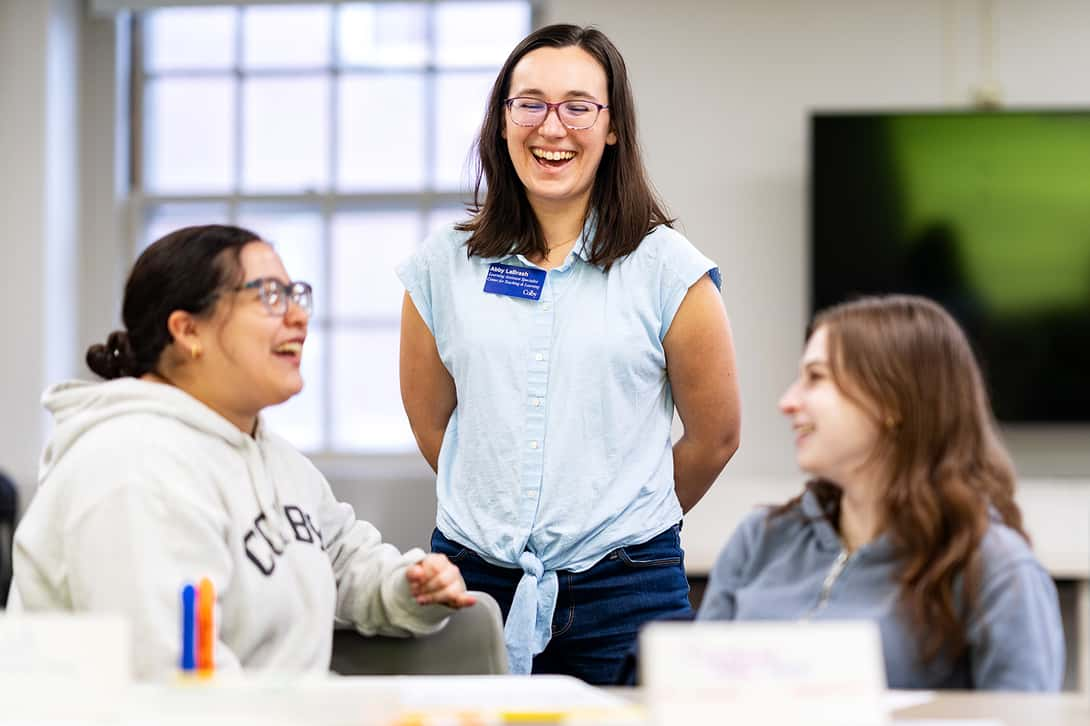
A new grant from the Davis Educational Foundation will support expanding the Learning Assistant Program at Colby’s Center for Teaching and Learning. The three-year $200,000 grant, supplemented by the College, will fund a new peer learning support position in the center, additional learning-assistant positions in large introductory courses, and course design funds for faculty.
“We are excited to launch this grant, which will expand the peer learning support offerings provided by the LA program in three important ways,” said Jordan Troisi, the center’s director and principal investigator on the grant.
First, funds provide stipends for instructor participation in the Gateway Course Fellowship, which will serve as an on-ramp to help make courses “LA-ready” and support greater student success in the courses where students face the greatest challenges. The fellowship will allow the center to work with instructors before LAs join courses so that the courses are LA-ready at the start of the semester.
Second, funds support a new associate director position, designed to oversee the development of peer learning support across the curriculum. Finally, the new grant also allows the Center for Teaching and Learning to fully cover all learning assistant wages. Over the next three years, the grant will support about 10 more instructors in the program, leading to 25 to 30 more learning assistants per course per semester.
The Center for Teaching and Learning was founded in 2016 to help instructors with teaching approaches, reflective practices, and course design. Carol Hurney, now associate provost for teaching and learning, served as its inaugural director until 2023. Troisi, who joined Colby in 2020 after serving as a professor of psychology at Sewanee: The University of the South, became director in 2023.
The Learning Assistant Program became a critical element of the CTL’s program offerings in 2019 and is now the largest and “most intensive” program overseen by the center, Troisi said.
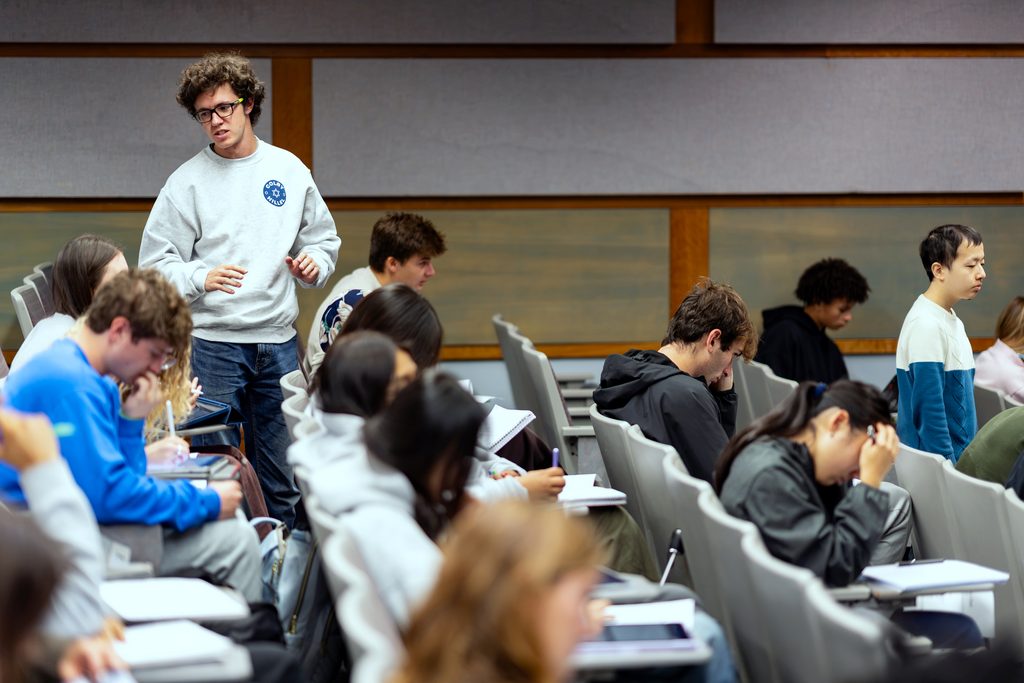
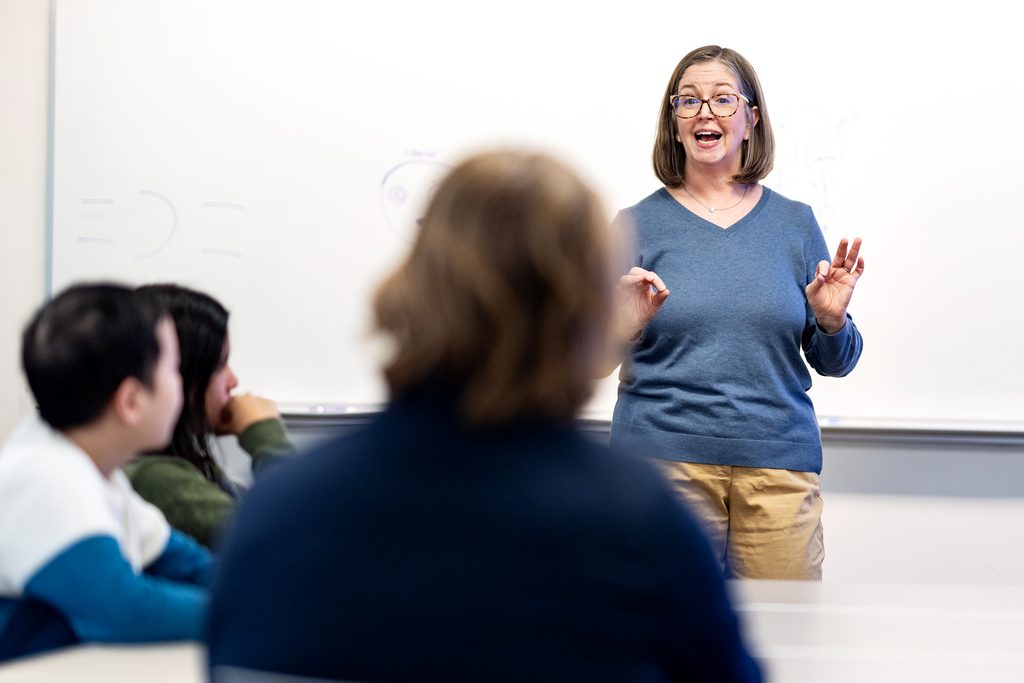
Troisi noted that LAs differ from traditional teaching assistants at other institutions. The primary function of LAs is to “help facilitate the learning process through direct interactions with students both in and out of class.” Teaching assistants rarely take on these approaches and usually help instructors with their overall teaching load, such as grading and delivering courses. LAs, who are mostly sophomores through seniors, work weekly with instructors to collaborate to build class activities and assignments. “They know what it’s like to be a student in that class. They can ask an instructor, ‘What are we really trying to do in this class?’ from a student’s point of view,” he said.
The LA program brings more heads into the discussion, he added. “Many instructors want more student voices in determining how to best support student learning, and the LA program provides those voices. It changes the whole process of building a course.”
Meetings with instructors, staff, and LAs offer a chance to discuss what’s working, what might need adjustment, and where the course might go next.
“It also breaks down the academic hierarchy implicit in college courses,” said Troisi.
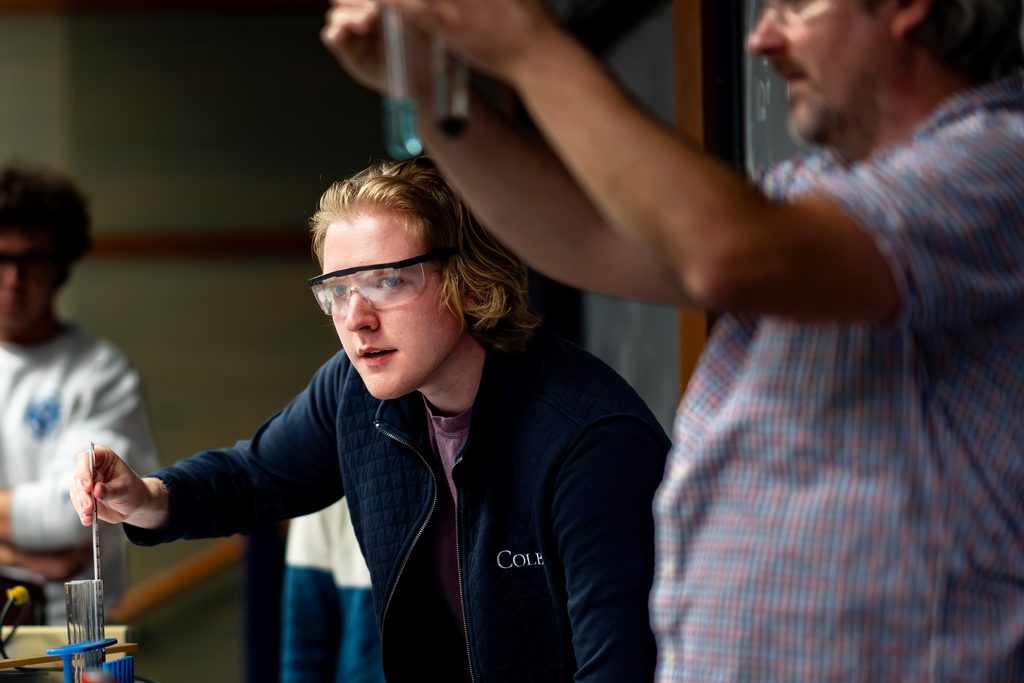
Students don’t normally influence the design of a course. When they do, it shifts the traditional power structure. He also noted that many students feel more comfortable asking a learning assistant questions than an instructor. It provides one additional pathway for students to get what they need in the learning experience that they wouldn’t otherwise have.
The impact of the Learning Assistant Program also ripples through class years. “What I hear over and over from our LAs is that a major factor in their decision to become an LA was a connection they developed with an LA in a previous course. The program has a huge peer-to-peer influence,” Troisi said. Before becoming paid learning assistants, students take a course that explores the learning assistant role by examining how teaching and learning work in higher education at places such as Colby, called TL 101: Teaching and Learning Essentials for Peer Learning Assistants.
The Davis Educational Foundation, founded in 1985 by Elizabeth and Stanton Davis after Stanton Davis retired as chair of Shaw’s Supermarkets, Inc., has awarded more than $140 million in grants to 180 institutions across six New England states to support higher education. The new project is the first implementation grant that the foundation has made to Colby’s Center for Teaching and Learning.