Daring Farther North
A new fellowship through Colby's Bram Public Policy Lab sends students to Maine’s Aroostook County to help address a rural ‘legal desert’
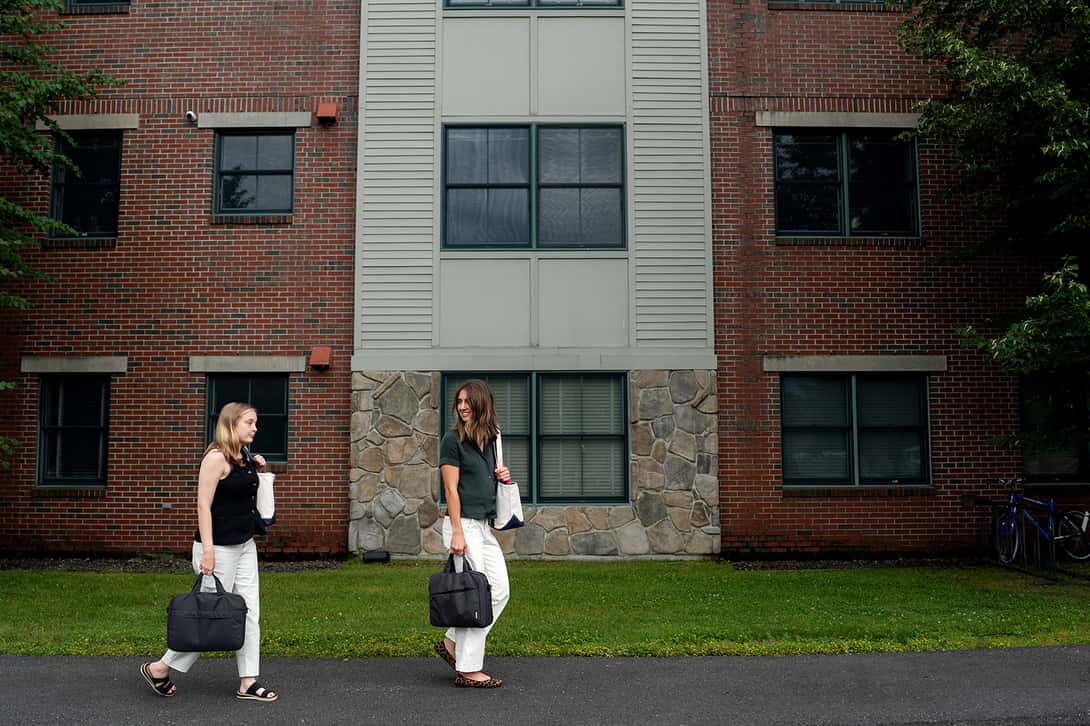
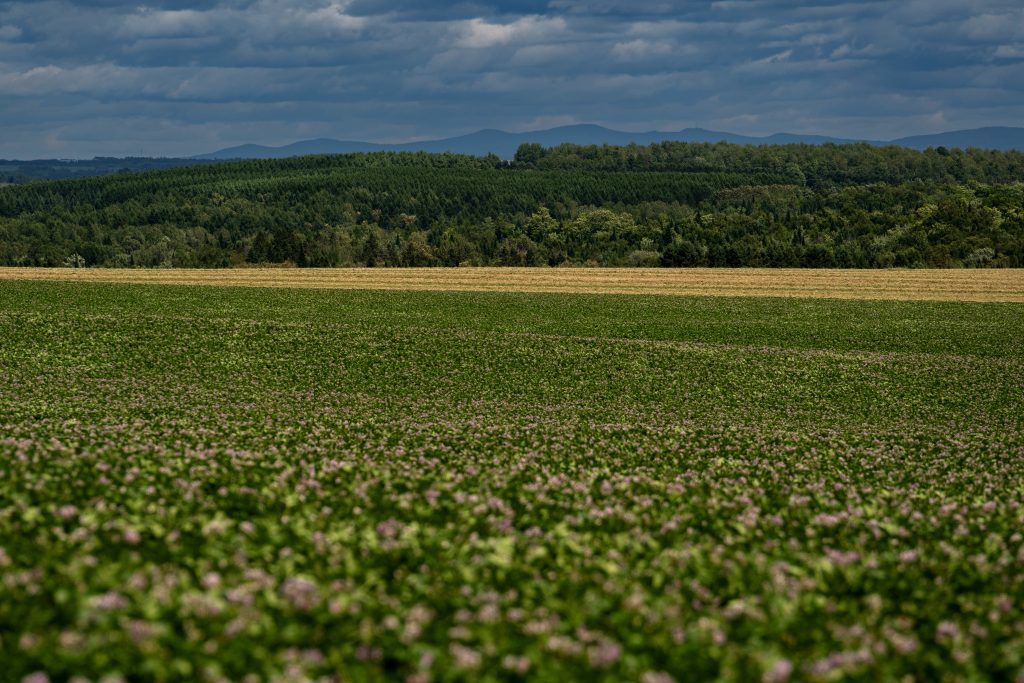
Aroostook County—known simply to Mainers as The County—is a place of massive scale. Spanning more than 6,800 square miles of lakes, forests, and rolling cropland, it is larger than Connecticut and Rhode Island combined. While the landscape is vast, one important resource is in critically short supply: lawyers.
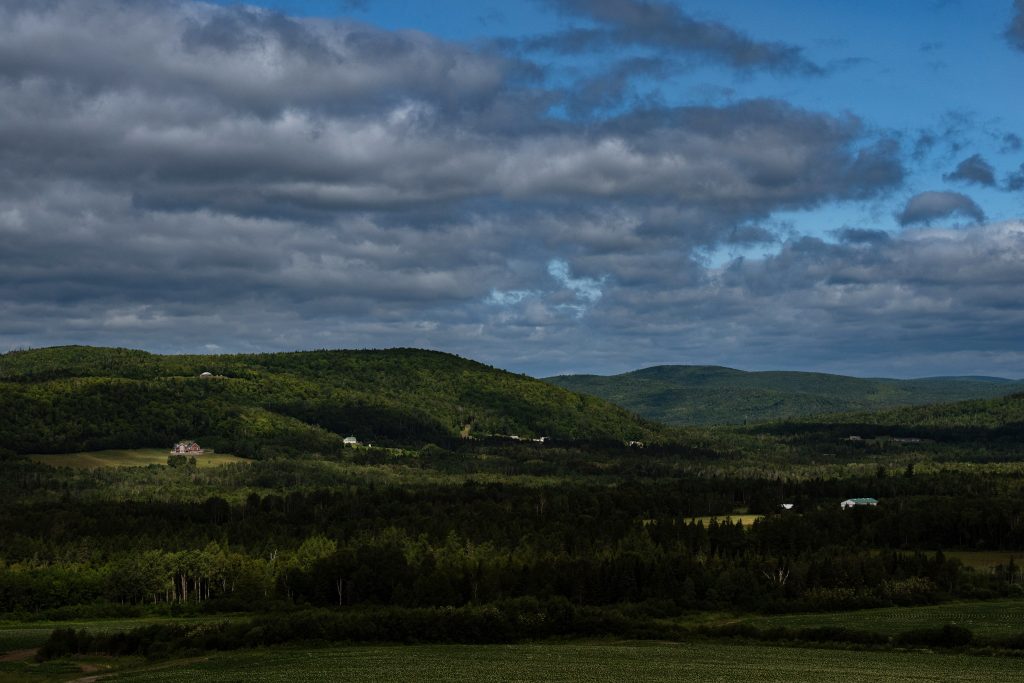
Despite being home to roughly 66,000 residents, Aroostook County is classified as a rural “legal desert.” A 2020 report by the Maine State Bar Association found that there were just 43 attorneys practicing in The County, with 11 taking criminal cases. The scarcity, found in rural areas across the nation, leaves residents scrambling for representation.
It’s a problem without an easy solution. And that’s all the more reason to look for solutions, according to state lawmakers, legal scholars, and others who want to transform the legal desert by attracting lawyers willing to practice in places off the beaten path.
Now, Colby’s Bram Public Policy Lab is helping with that effort. This summer, Ava St. Laurent ’28 and Ella Brochu ’28 are in Fort Kent, tackling this legal desert head-on through a new fellowship in partnership with the University of Maine School of Law’s Rural Practice Clinic and the Aroostook County Public Defenders’ Office.
According to Nicholas Jacobs, Colby’s Goldfarb Family Distinguished Associate Professor of American Government and the lab’s inaugural director, the student fellowships provide Colby students with on-the-ground public service experience and extend a helping hand to rural Maine communities.
The Fort Kent fellowship reflects the lab’s broader mission to embed students directly into the institutions where policies are made and executed. In this far-flung corner of the state, St. Laurent and Brochu aren’t just studying policy but working alongside public officials to navigate real-world legal challenges.
“I think this is a really important opportunity to get students in communities that we tend not to send students to, places that really need this type of support and interest,” Jacobs said. “Because it’s a small office that needs such support, and there’s so much going on, they’ve been brought in as real members of the team. And so it’s been just incredible.”
Learning about the law
St. Laurent, a government and history double major with a minor in Italian studies from rural Oxford, Maine, and Brochu, an environmental policy and government double major from Lowell, Maine (population 368 at the last census), have embraced working and living in this town on the Canadian border.
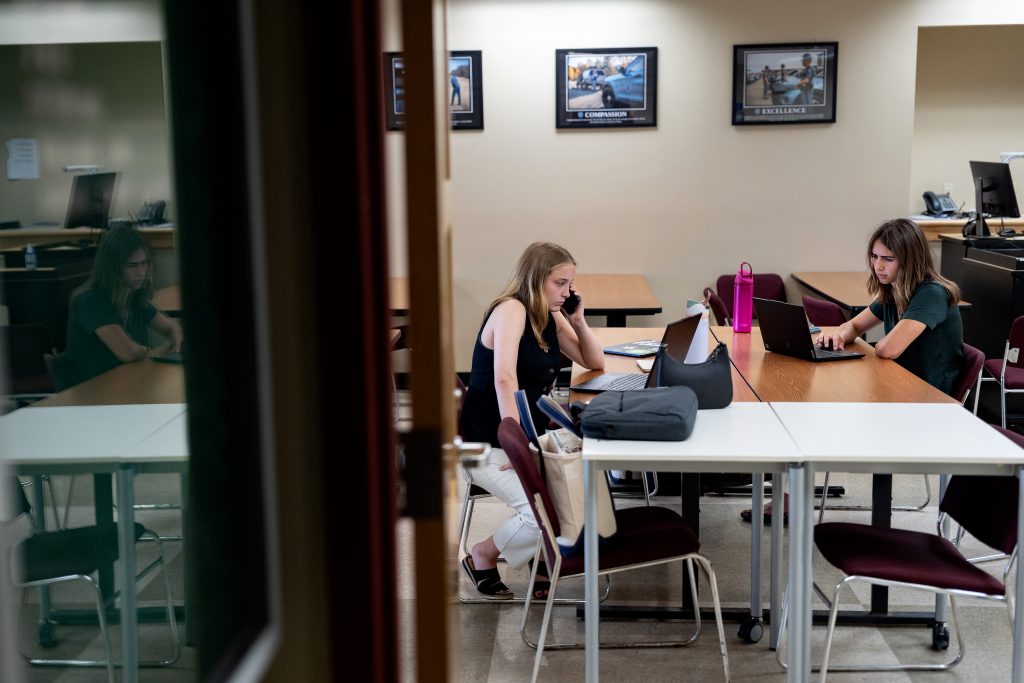
On a steamy early-July day, they were hunkered down in a summer-quiet classroom at the University of Maine at Fort Kent, intently watching bail hearings via Zoom in Hancock and Androscoggin counties. St. Laurent and Brochu were gathering data for a study by Aroostook County District Defender Toby Jandreau, who is examining how geography shapes justice in Maine.


The students had spreadsheets in front of them, and as the judges processed one defendant after another, they checked off boxes for categories such as the bail amount and whether the judge allowed a payment plan.
Jandreau hypothesizes that although the rules for determining bail are the same throughout the state, they are implemented very differently from one county to another.
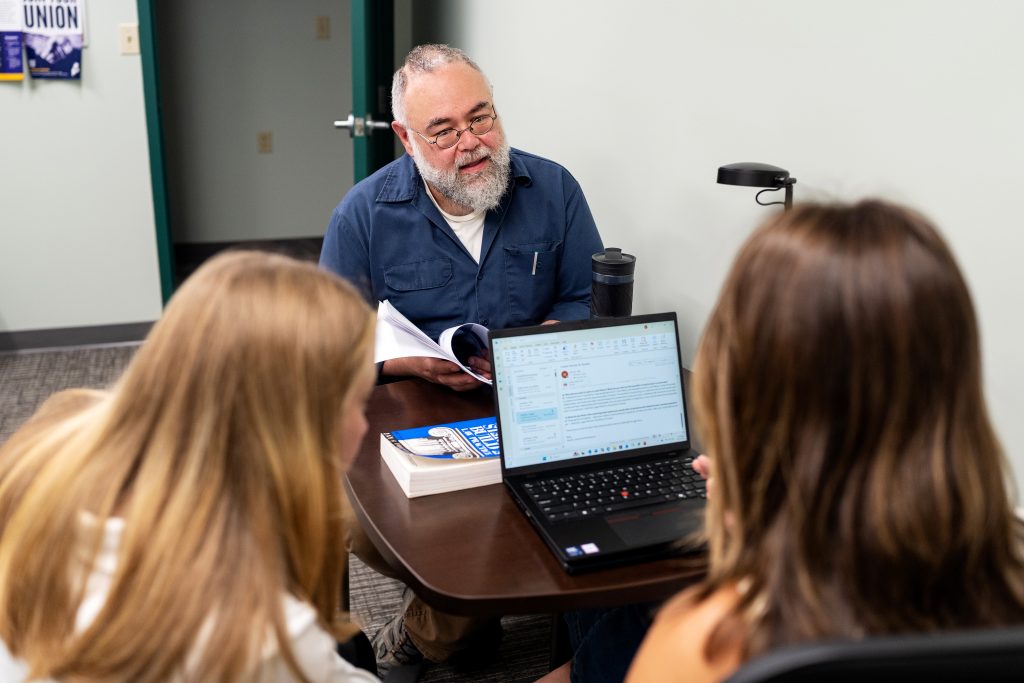
“If bail is set at an outrageous number and the defendants can’t actually pay that bail, they’re stuck in jail until their next court hearing,” Brochu said.
So she and St. Laurent are gathering data from different counties to help prove or disprove the hypothesis. At first, they found the hearings perplexing and wondered if they would ever understand what was going on. But after watching enough of them, it started to make sense.
“We’re seeing that generally bail deviates across the state,” St. Laurent said. “There’s no coherent method of setting bail, and the prosecution varies on how they argue it.”
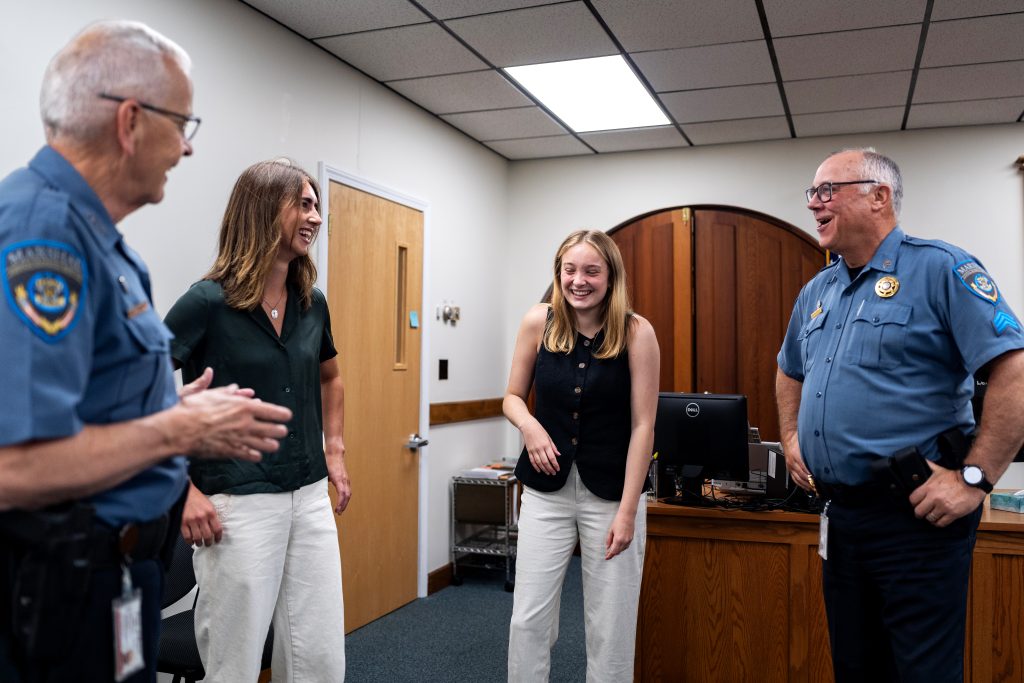
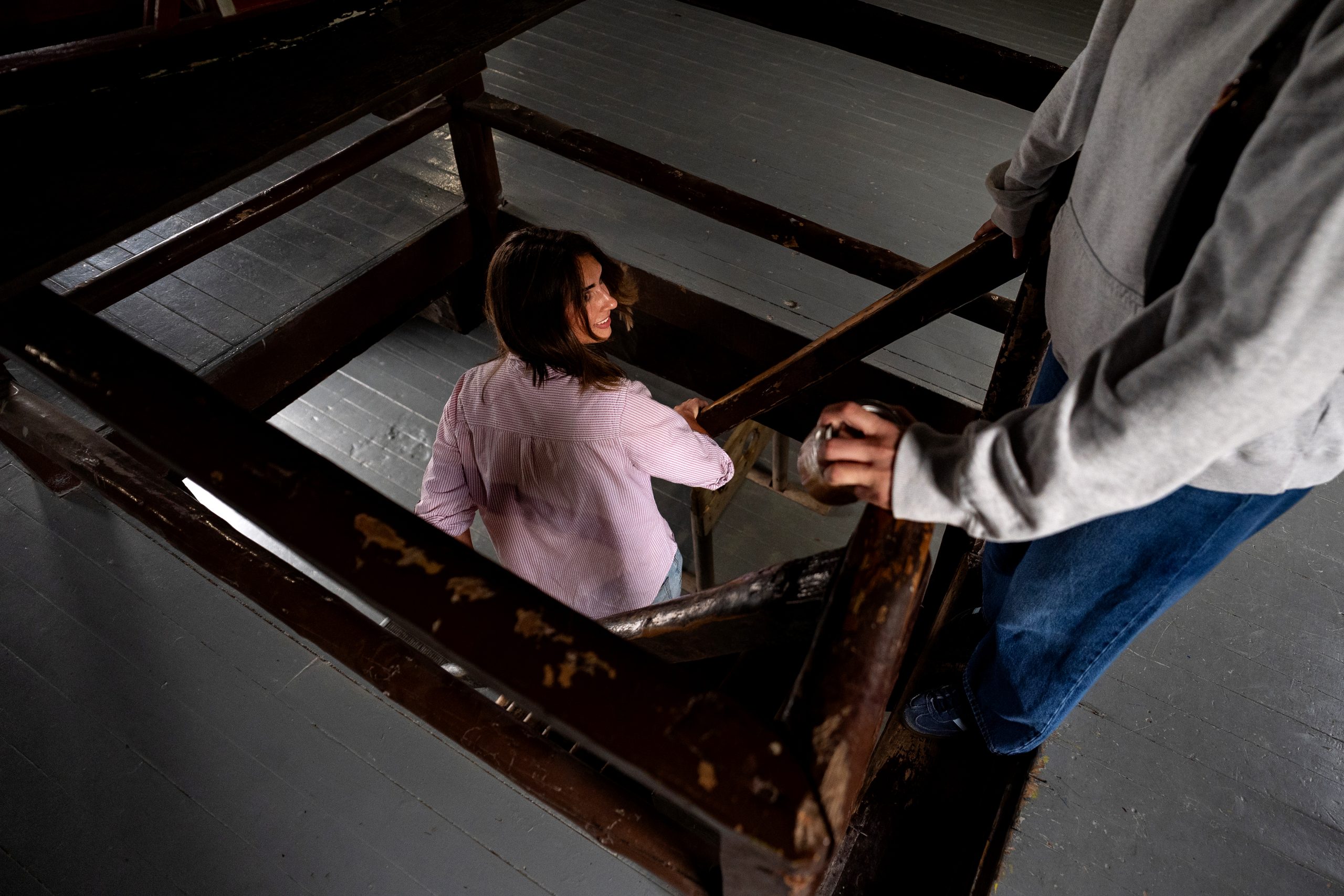
They are also assembling a toolkit for lawyers considering opening a private practice in rural Maine, work they’re doing under the guidance of Chris Northrop, director of the Rural Practice Clinic and a professor emeritus at the University of Maine School of Law. The Colby students have also been learning from the two law students doing their own summer internships in the clinic.
“We’re hopeful this is something that will last,” Northrop said. “One of the things I really love is having better critical mass. It’s great to have four students in Fort Kent rather than two students, especially in the summertime, when the campus is pretty empty. I think everyone has a better time.”
A passion for rural places and people
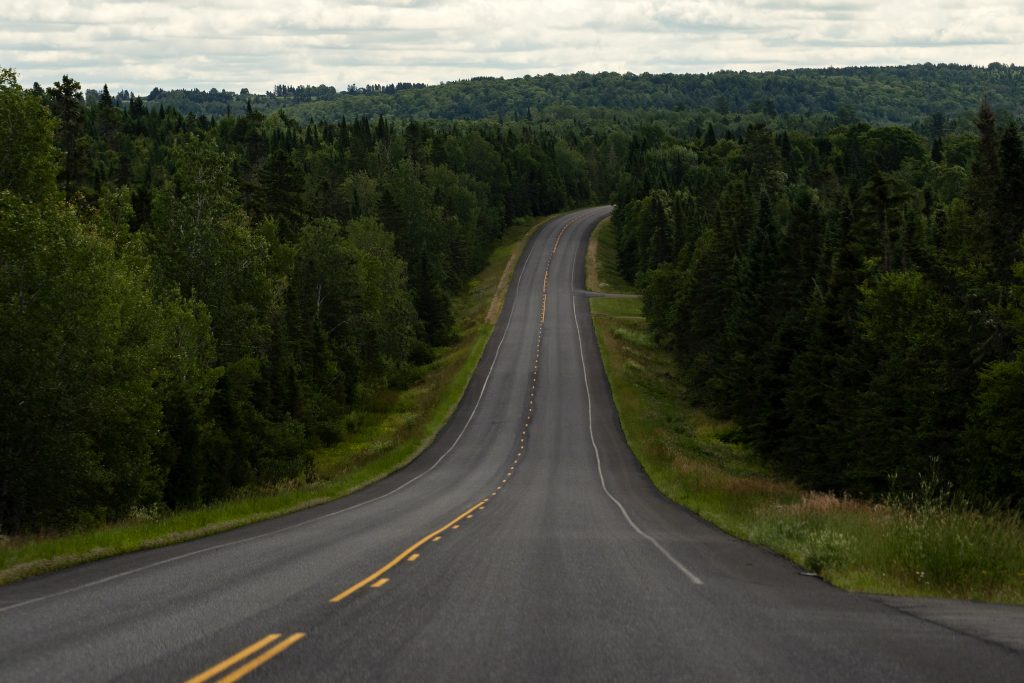
St. Laurent and Brochu said that many of their friends applied for summer internships in Portland, Boston, New York City, and Washington, D.C., but those places didn’t feel like the right fit for them. Fort Kent did, and so did learning more about law and how it is practiced in Maine.
“I think what really interested me about the Rural Practice Clinic was that it is an internship opportunity that was not a very traditional place to have an internship,” Brochu said.
St. Laurent has been interested in becoming a lawyer since high school, but this experience has given her a much better understanding of the field.
“You get to see how it actually plays out for real people, not on TV, and I think that’s been very informative for the decisions I want to make,” she said. “Being able to talk to lawyers about law school and what the career is really like has been invaluable. They’ve passed on a lot of great advice.”
The attorneys they’ve met in Fort Kent, such as Jandreau and Northrop, have been generous in sharing what they’ve learned, the students said.
“They aren’t gatekeeping any information because the need is so large for people to come practice here,” Brochu said. “They’re very eager to try and encourage anybody to enter the field.”
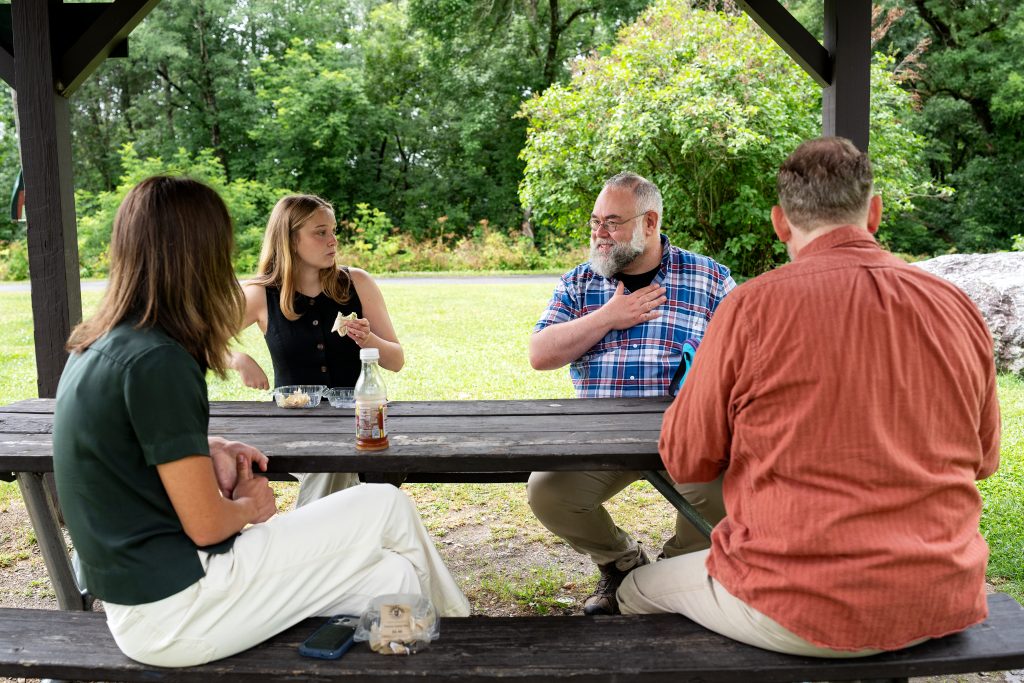
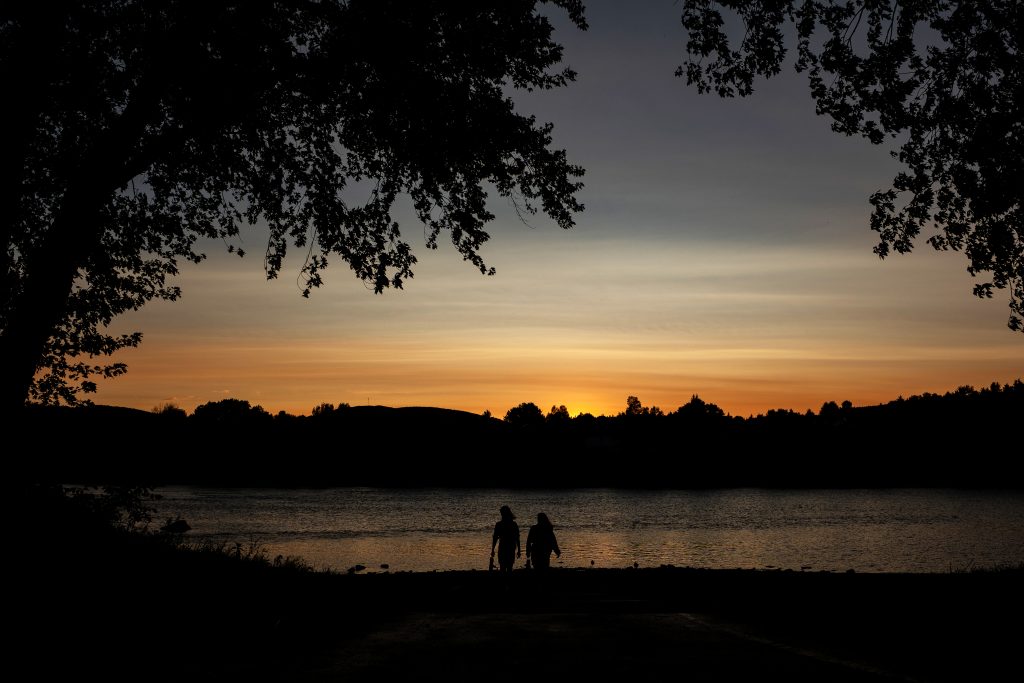
In their free time, St. Laurent and Brochu—who applied for the fellowship as a team—have immersed themselves in the region. They’ve learned about the area’s Acadian heritage, hiked to the top of remote Deboullie Mountain in the North Maine Woods, and enjoyed free weekly outdoor concerts in Fort Kent’s Riverside Park. They’ve also appreciated the warm welcome they’ve received from Aroostook County residents.
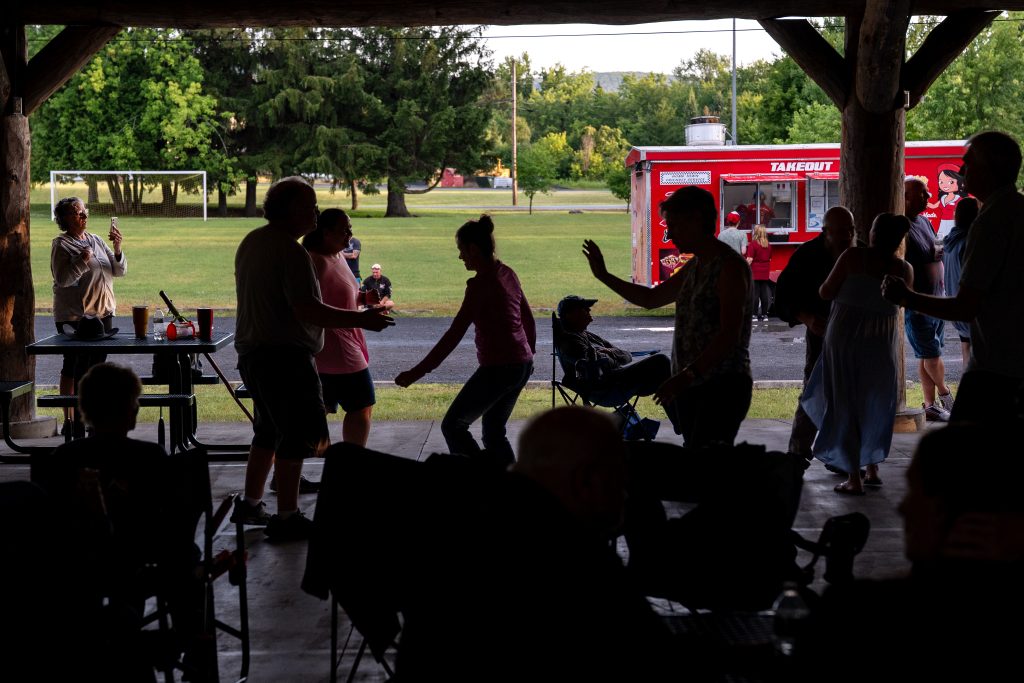
“Ava and I are trying to become locals during our time here,” Brochu said. “There’s a lot to do up here. I think people kind of have the impression that there’s nothing to do in rural areas, but we have our weekends booked.”
For both students, the opportunity to work at the Rural Practice Clinic allows them to bridge their avocation of boosting Maine’s rural communities with a potential legal vocation.

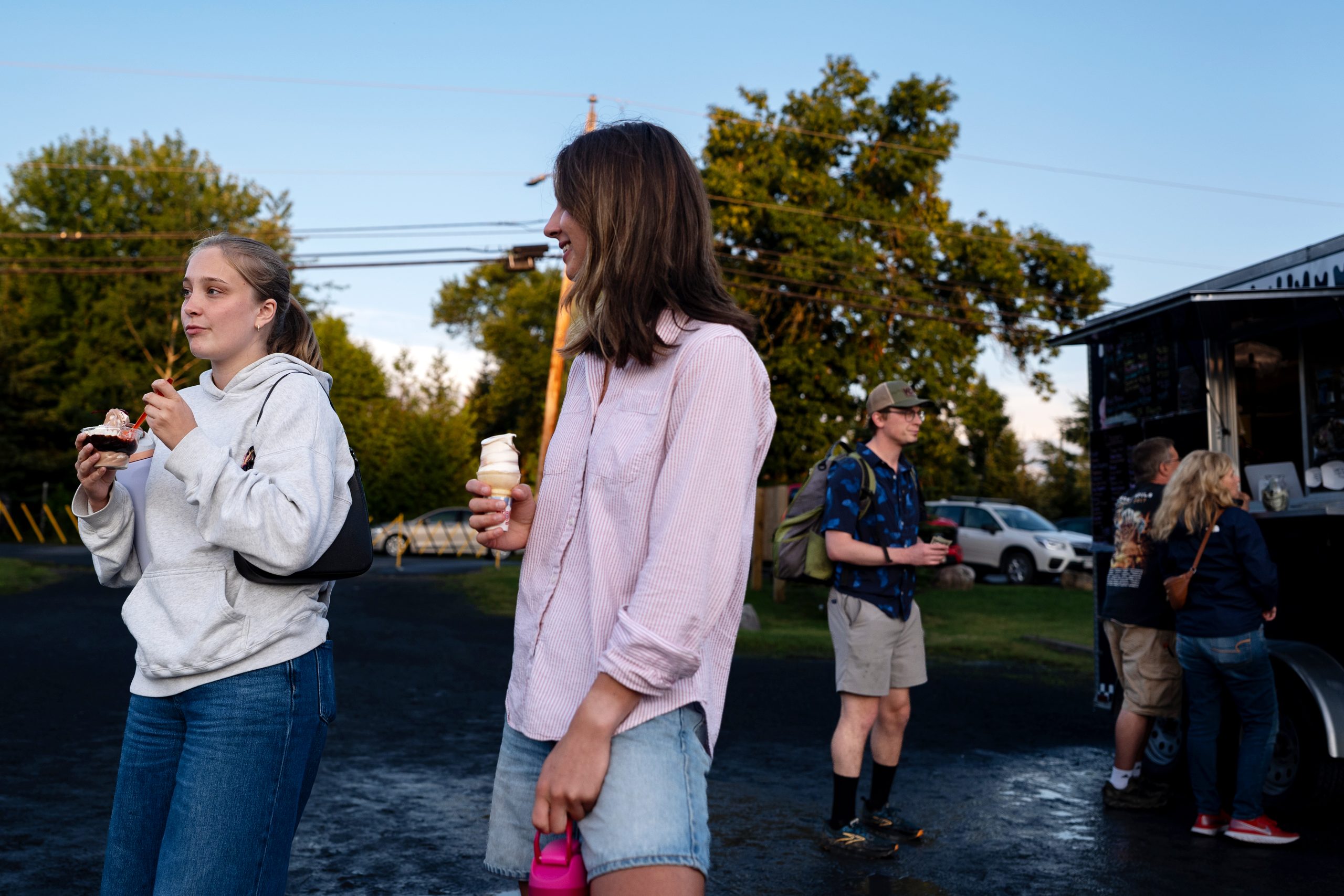
At Colby, St. Laurent serves as a rural student ambassador with the STARS Program, a one-of-a-kind national initiative that empowers students from rural and small-town America to enroll in, succeed in, and graduate from the undergraduate program of their choice. Colby is one of 32 schools in the network, and the only Maine institution.
“I care about rural people and places, and I always want them to be thriving and to have the same opportunities as everyone else,” St. Laurent said. “So the Rural Practice Clinic was really appealing to me in that way.”
‘A benefit to our community’
The students’ enthusiasm for the work is palpable, Jandreau said, and their fluency with data gathering and spreadsheet creation is helping a lot with the project. For him, it’s been a pleasure to have St. Laurent and Brochu in Fort Kent.
“I hope Colby keeps sending students up here because it’s really fantastic to have them here. It really is,” Jandreau said. “These two particular students are great. They’re so curious, interested, and engaged, and they really just want to understand better. I’ve really enjoyed working with them, and I hope we can keep doing this. I think it’s a benefit to our community, a benefit to the state, and I’d like to think it’s a benefit for Colby as well.”
Jandreau’s praise is echoed by Northrop, who noted that the students are putting considerable care into creating the rural attorneys’ toolkit. Even though they’re not attorneys and haven’t run small businesses, St. Laurent and Brochu bring fresh eyes to the project and the ability to ask good questions of the attorneys they’ve been interviewing.
The goal of the toolkit is to encourage lawyers to consider practicing in rural Maine. There are many benefits to doing so, including being part of a community in a tangible way and enjoying a slower pace and a better quality of life, but new law school graduates often have their sights set on jobs in Big Law rather than in smaller towns and cities.
“The big thing is we try and hope that people will like it here, and come live here, and help it become less of a desert and more of a little oasis,” Northrop said. “We’re hoping that the toolkit will help people as they step out and try to do this.”
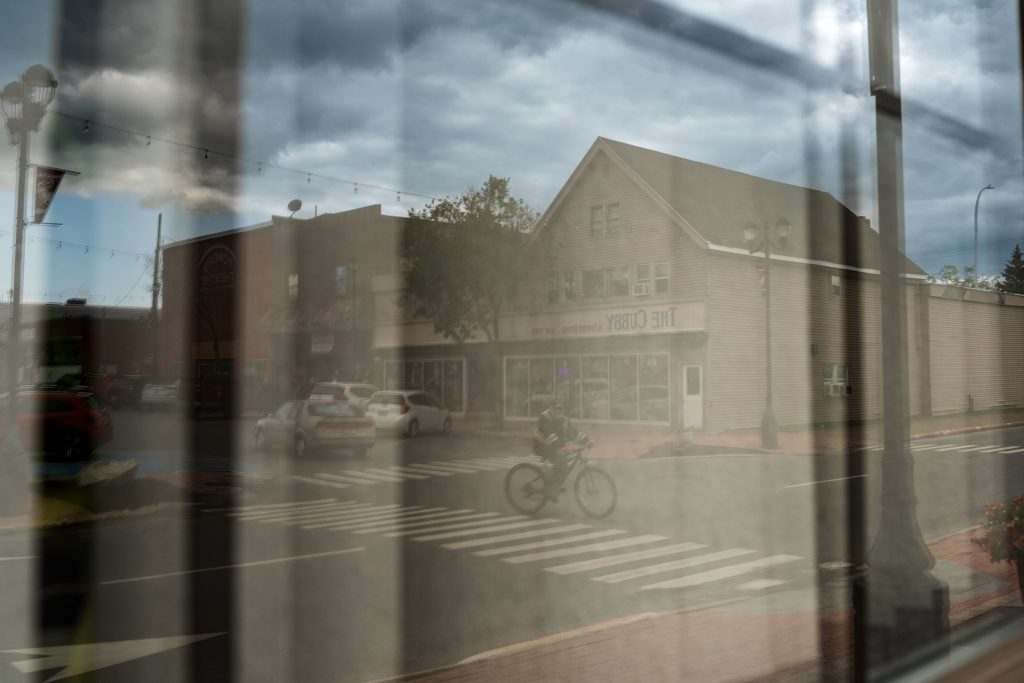
For St. Laurent and Brochu, their summer has offered many positive experiences—and a confirmation that it’s not necessary to leave Maine to have a good career and make a difference.
“It’s all about making people understand the value that living and working in rural communities has. There are a lot of stereotypes about rural Maine, like that there’s nothing there except moose and trees. And for people from outside the state, I’m sure it’s hard for them to find value in rural Maine if you’re not from here to begin with,” Brochu said. “There are a lot of pipelines from Colby to Boston, and Colby to New York, but there aren’t a lot of pipelines from Colby to Fort Kent. You can dare so much farther north.”