Creating Pathways to College for Rural Students
As part of the STARS College Network, Colby is expanding its commitment to help rural students find their way to college
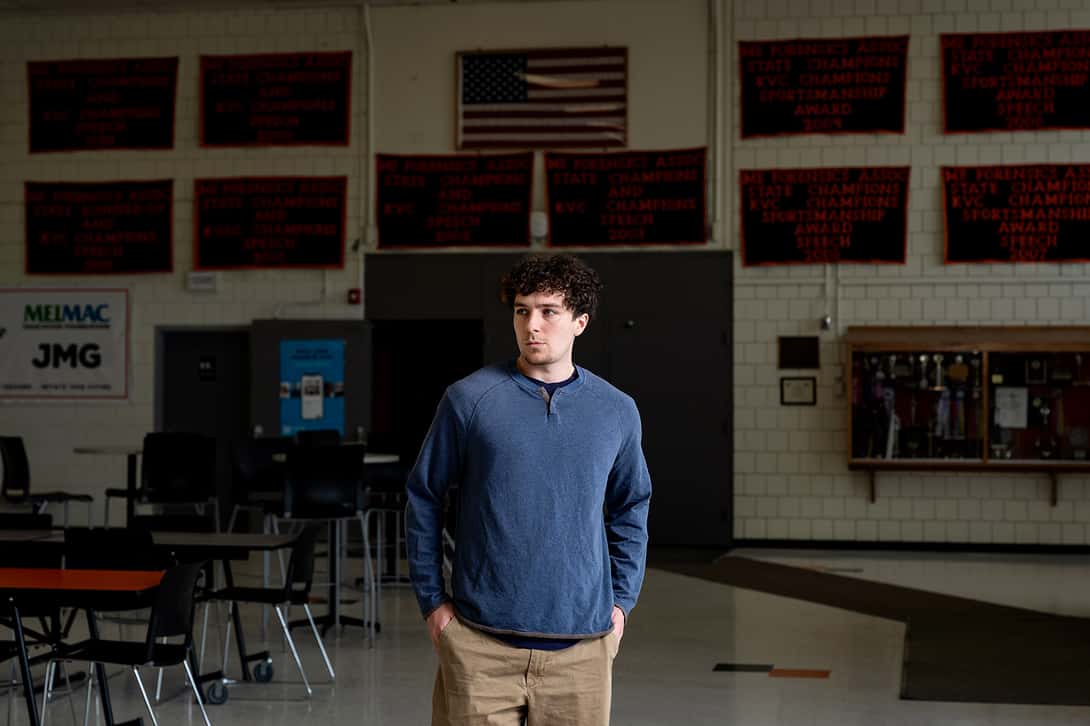
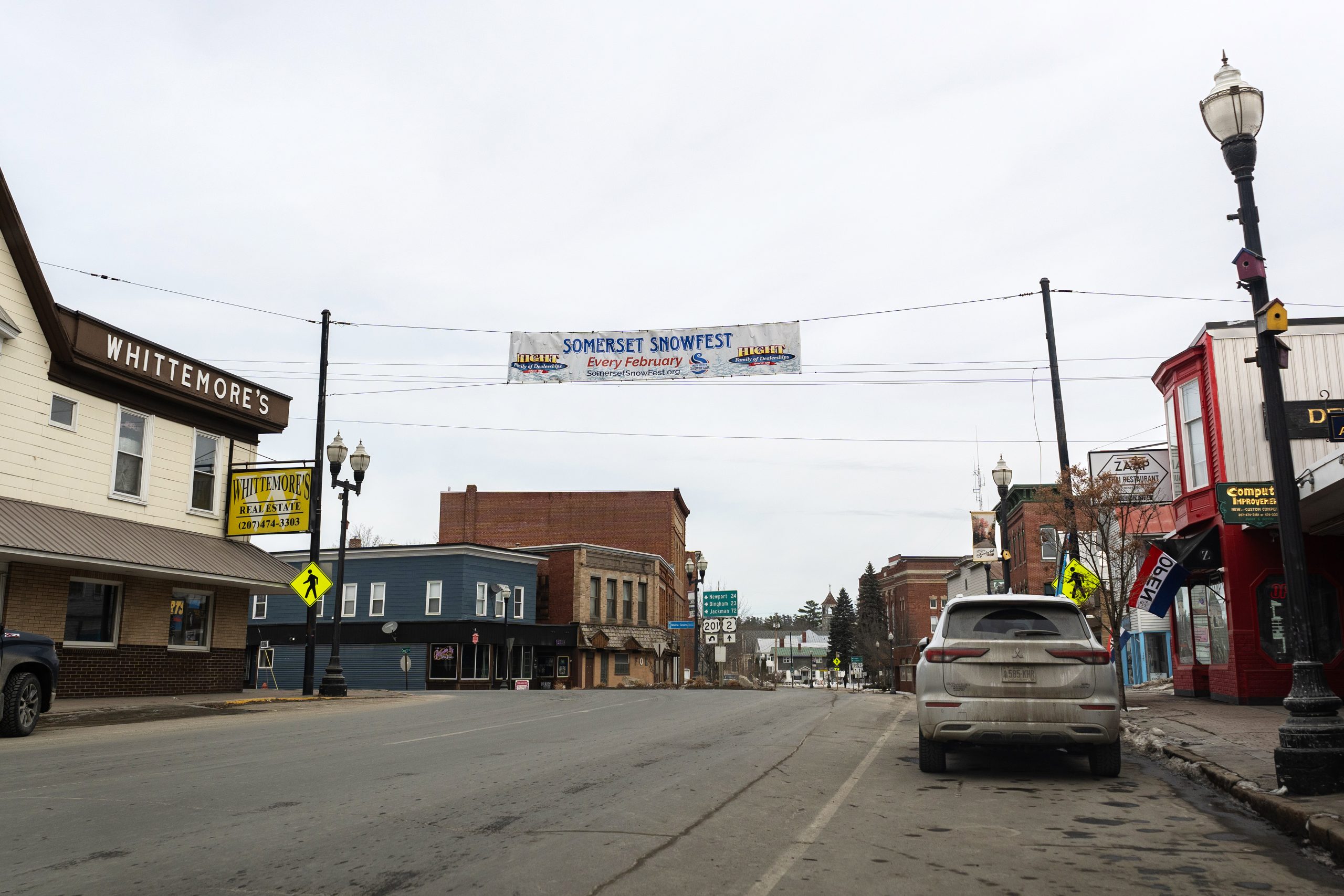
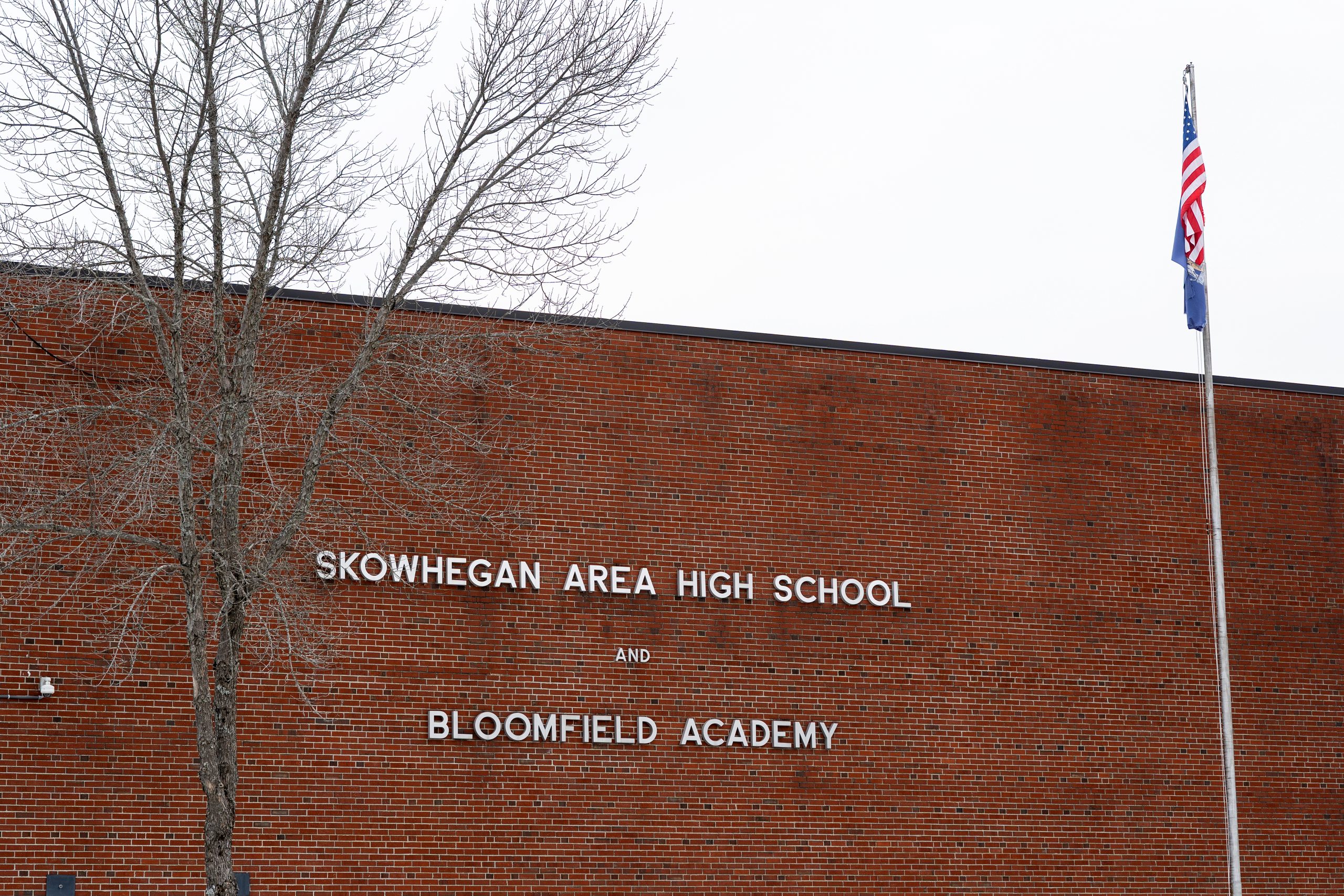
Sam Steeves ’28 grew up outside of Skowhegan, Maine, where a patchwork of fields, farms, and forests carpets the rolling hills. Outdoors, he had ample space to fish, camp, and hike. In town, he attended public schools with the same group of kids from kindergarten through high school.
He didn’t think being from a rural area was anything special.
That was, until he attended Colby Polaris STARS, a free program designed to introduce Maine 9-12th graders to the college experience through tours, classes, and discussions.
“That was my first time thinking about Colby as an actual student, instead of just an outsider who visits the school,” said Steeves, who attended soccer camps and other events on campus throughout his childhood.
That day also taught Steeves that colleges and universities are interested in rural students—and that his background was meaningful.
Polaris STARS (Small Town And Rural Students) is a program Colby designed as a member of the STARS College Network. The one-of-its-kind national initiative empowers students from rural and small-town America to enroll in, succeed at, and graduate from the undergraduate program of their choice. Colby is one of 32 schools in the network, and the only Maine institution to belong.
“The focus that Colby was presenting, that we do really value our rural students and students from different backgrounds, was an important factor in my decision to apply,” said Steeves, who had been considering business schools in Massachusetts.
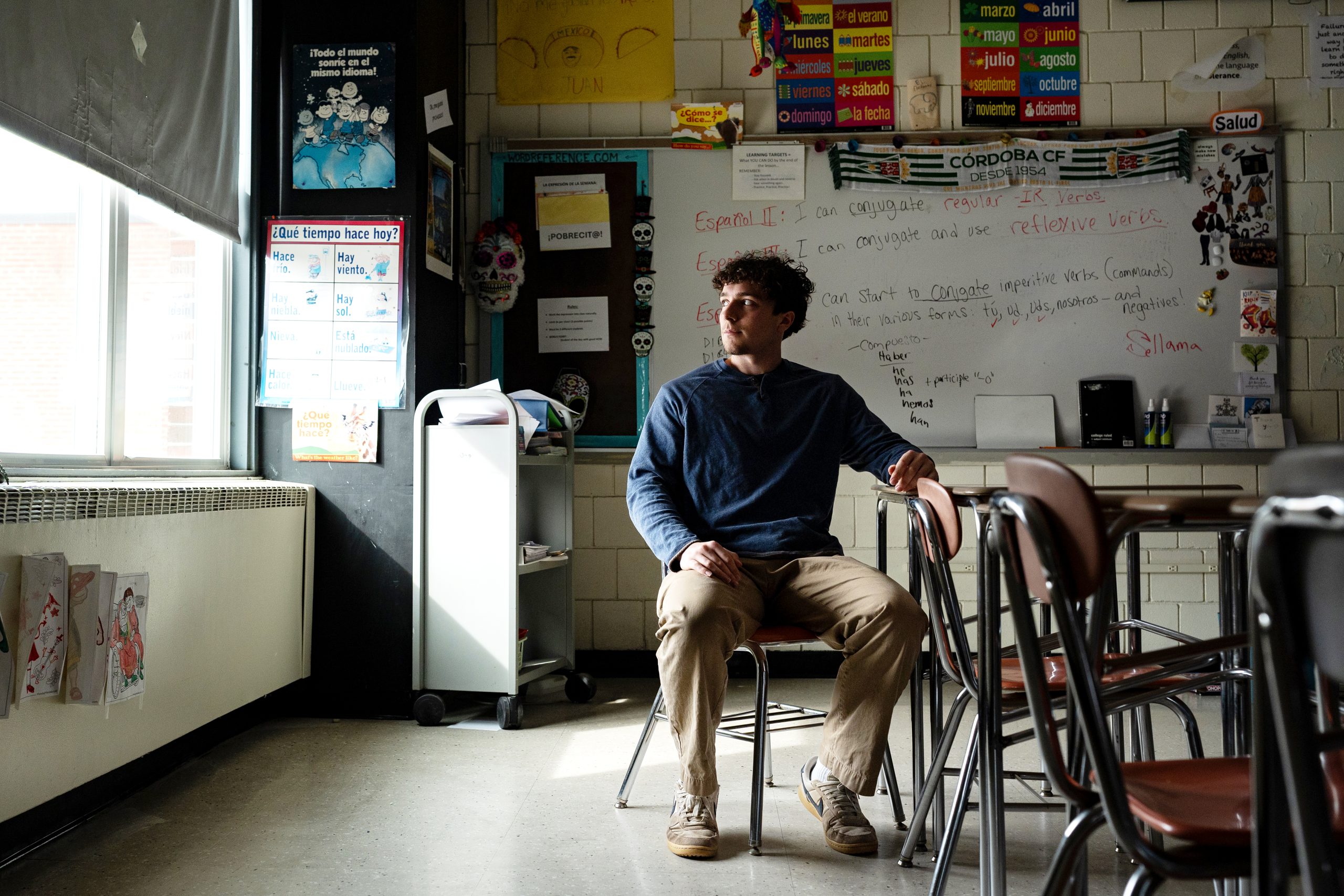
Now a double major in economics and global studies, with friends from around the world, Steeves embraces his identity as a rural student. The STARS program has been affirming, making him feel acknowledged and visible for who he is.
“I have no shame,” Steeves reflected. “My background is a large part of who I am, and who I will continue to be.”
The Maine Commitment
Colby’s commitment to Maine students stretches back to the Maine Commitment, a longer-standing initiative meant to engage more deeply with middle and high school students across the Pine Tree State.
“There were many students in Maine who were wonderfully qualified for Colby or schools like Colby, but they didn’t realize that there was a place at those schools for them,” said Molly B. Hodgkins ’15, deputy dean of enrollment management, who grew up in Trenton, in eastern Maine. “That could be due to misunderstandings about their own academic preparedness, that highly selective colleges aren’t looking for students with rural experiences, or it could be due to concerns about affordability.”
In 2018, Colby initiated an Early College Planning pilot program and worked with schools in the Oxford Hills district as a case study to identify needs. In 2023, Colby was invited to join the STARS College Network. Initiated by a generous $20-million gift from the Trott Family Philanthropies to address the problem of rural under-matching at institutions of higher education, the network also creates a cohort of institutions committed to engagement with rural students.
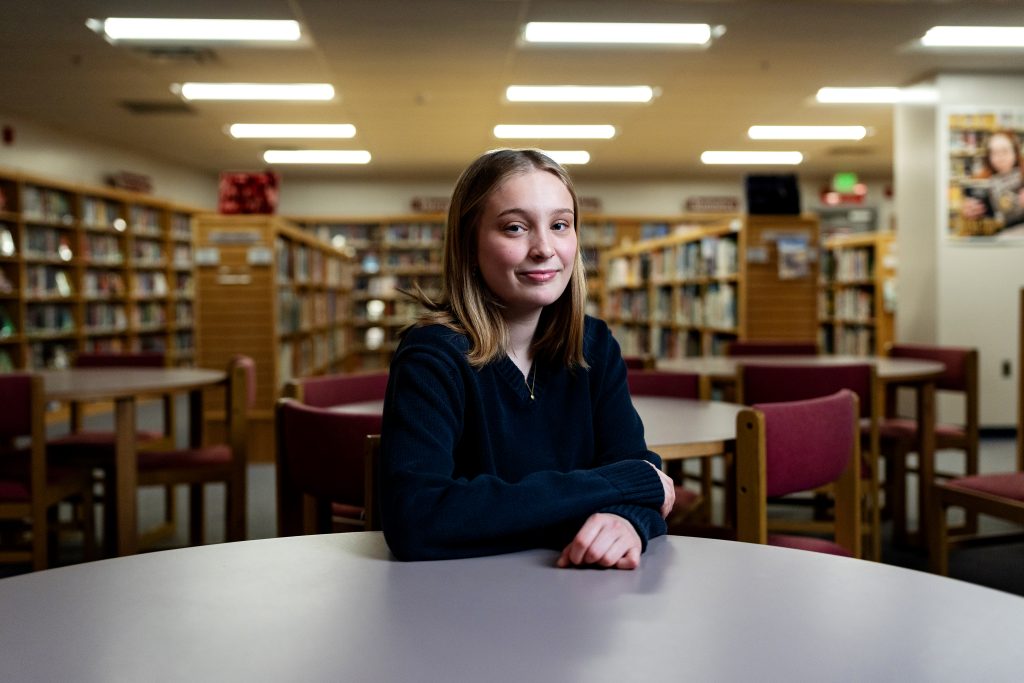
The STARS College Network gives partner schools flexibility to use their funds in whatever way the institution believes will have the largest impact on rural students.
“At that time, we decided to put that funding toward these Maine-based initiatives that we have been interested in and circling for years,” said Hodgkins. “Let’s use our STARS funding to take our work in rural Maine to the next level.”
Creating partnerships, breaking down silos
Today, STARS programming builds on the Maine Commitment, which initially began with Maine Days, when admissions officers visit every available high school in Maine. The Colby Commitment includes a generous financial aid program that meets 100 percent of demonstrated financial need without the use of loans—not just for Maine students, but for every student.
Hannah Hartnett ’21, associate director for strategic initiatives in Colby’s Office of Admissions and Financial Aid, began working with the STARS College Network last year and has “completely transformed” the program at Colby, said Hodgkins. Hartnett grew up in rural Maine herself, and as a student worked on the pilot program at Oxford Hills—her alma mater—during the early years of the Maine Commitment.
As an employee, Hartnett has expanded Colby’s partnership efforts to several new communities, leveraging her prior experience to support students and educators statewide with monthly in-person visits. She also expanded the Polaris program, which includes free transportation for high schoolers to Colby and has been particularly impactful, she said. She initiated monthly workshops about the college application process as well as joint college nights in fall 2025. Held across the state, college nights include panel discussions and Q&A sessions with representatives from four or five Maine institutions, including the closest community college in the Maine Community College System.
Hartnett emphasizes that all STARS programming concentrates on the college process in general and is not Colby-focused. “It is intended to help students with the college application process, no matter where they end up applying,” she said.
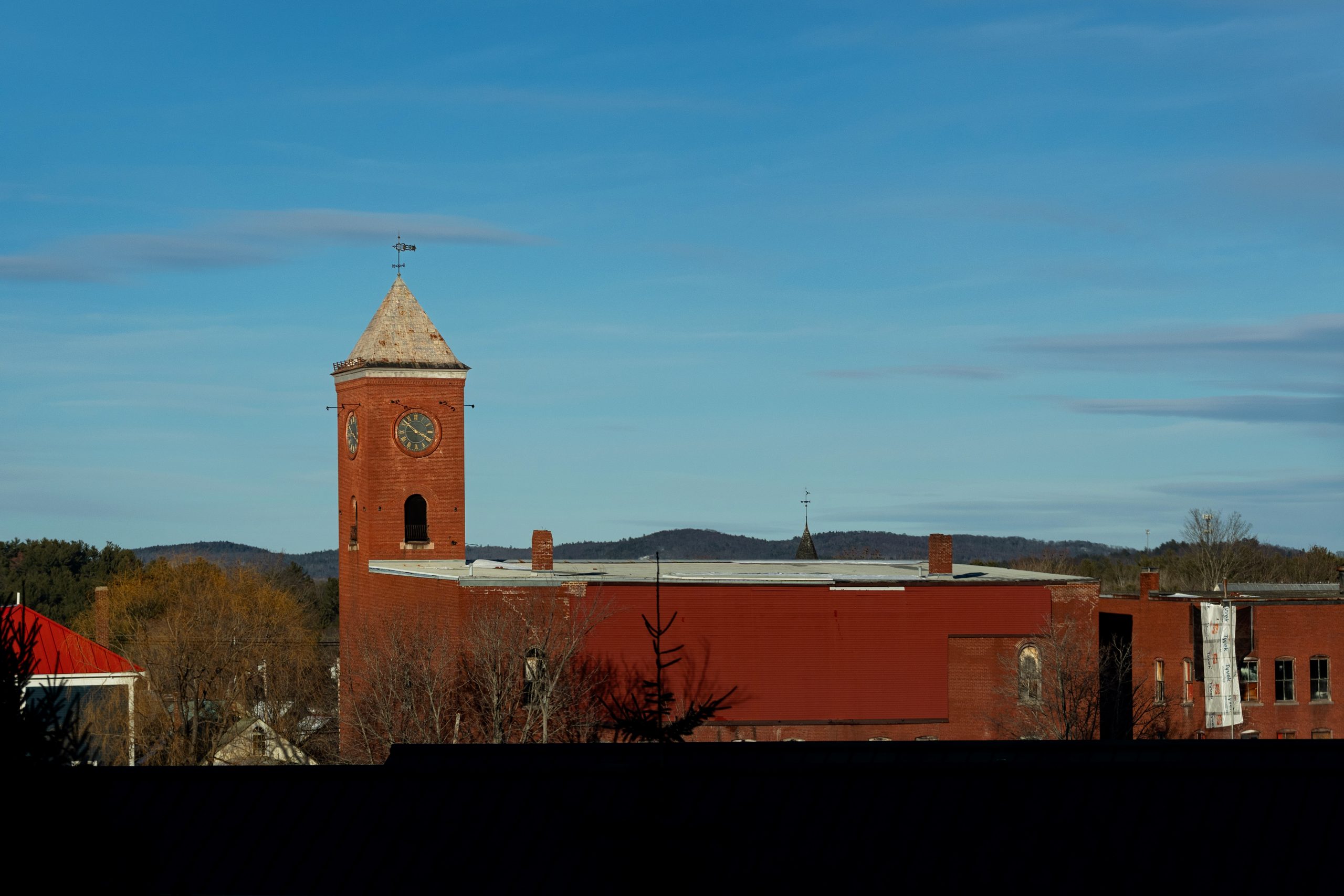
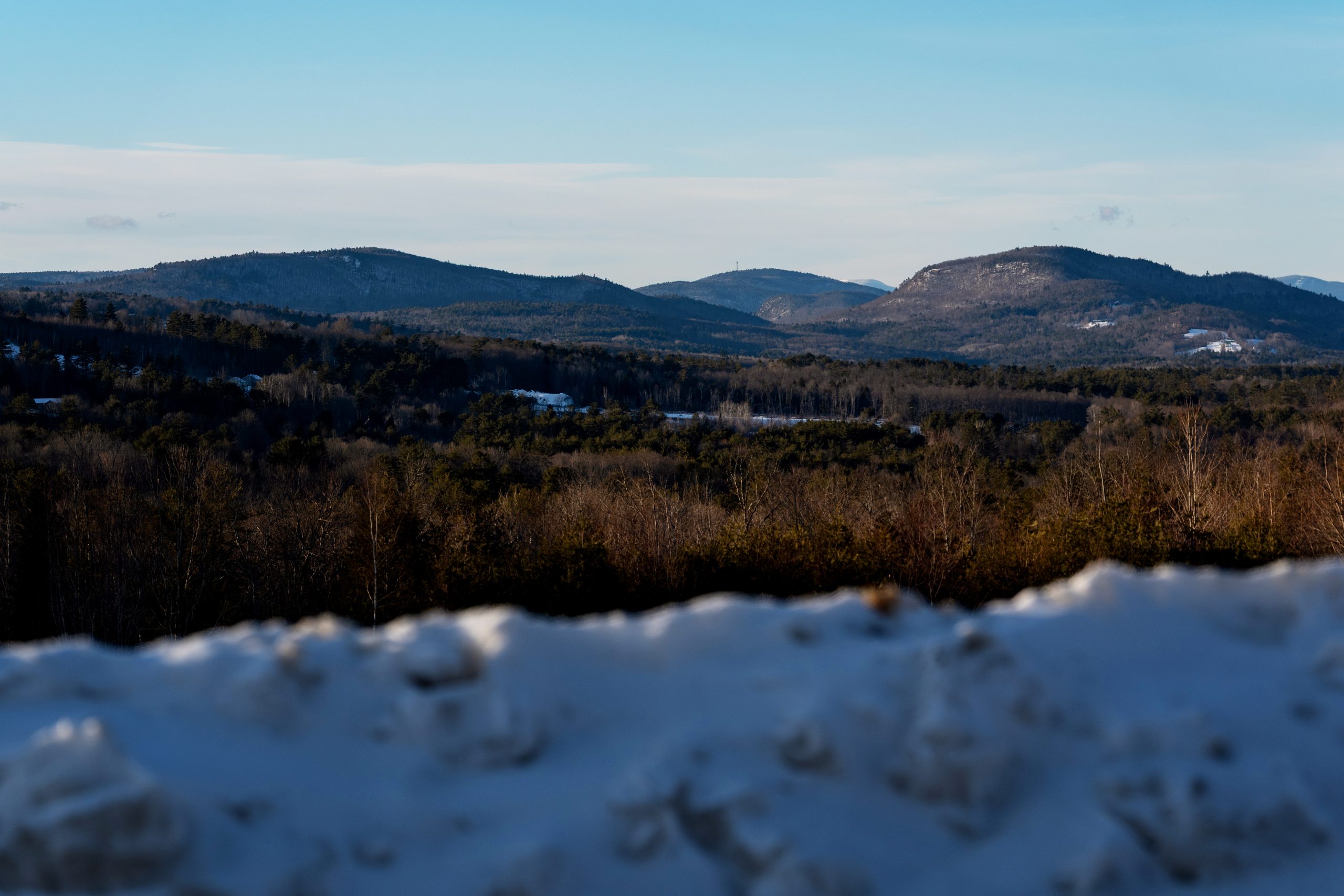
The STARS College Network also connects Hartnett with her peers representing other network schools across the country. The cohort travels several times a year to rural areas to visit high schools, meet with counselors, and hold college fairs.
“I’ve learned a lot from my colleagues at other institutions about how they’re using their funding, their rural student ambassadors, and how they cultivate a sense of belonging among rural students on campus,” said Hartnett. “The network has been an incredible resource for each of the 32 schools to ask questions and share best practices.”
Rural student ambassadors
Last fall, Hartnett followed her STARS colleagues’ lead and introduced a Rural Student Ambassadors program at Colby. Ava St. Laurent ’28 and Dominique Vigil ’28 are the inaugural ambassadors, and they interact with prospective students in multiple ways, including accompanying Hartnett to partner schools.
In January, St. Laurent and Hartnett traveled to Readfield, Maine, to visit Maranacook High School, where St. Laurent gave a short presentation about her experiences choosing a college, transitioning to college life, and overcoming issues such as imposter syndrome. “Then they asked me a bunch of questions, which was really great,” laughed St. Laurent, who attended Oxford Hills Comprehensive High School in South Paris, Maine.
St. Laurent tries not to be overly professional in these settings, but rather relaxed and approachable while reassuring nervous high schoolers that they’ll be okay in college. “I try to make the conversations relatable because I’m from rural Maine as well. Hopefully, they can see themselves in me.”
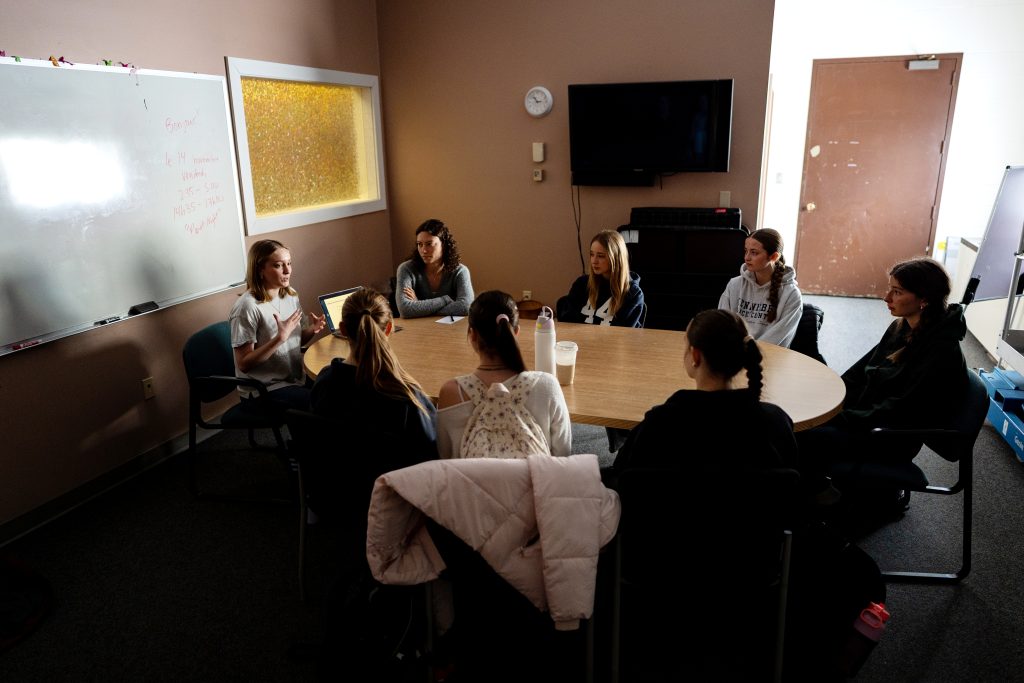
In December, St. Laurent and Vigil had the honor of delivering an in-person early-decision acceptance to a student at Lawrence High School in Fairfield. Telling students face-to-face about their admission to Colby is part of the Maine Commitment that brings joy, happy tears, and shock to students, families, and educators who witness such moments. “It is hugely transformative,” said Hodgkins.
For St. Laurent, the moment fostered a connection with an incoming student she hopes to mentor in the years ahead. It’s part of what galvanizes her to work toward establishing a rural student program on campus, not just for Maine students but for rural students from across the country.
“The whole program excites me,” said St. Laurent, a government and history double major with a minor in Italian studies. “It’s something I talk about with my parents a lot. I just want to help [students] figure things out.”
Motivating factors
According to the STARS College Network, students from rural America often face unique obstacles to attending college. Even though students in small towns and rural communities graduate high school at roughly the same rate as students in metro areas, they are only half as likely to graduate from a selective college or university.
Reversing that trend is part of what motivates the College to create pathways to college for these students.
But that’s not the whole story.
Another aspect lies in the three people directing Colby’s STARS efforts: Hartnett, Hodgkins, and Randi Maloney ’09, vice president and dean of admissions and financial aid. All three are from rural Maine and attended Colby.
“We all have these unique and near-and-dear stories of the moment of discovery of Colby,” reflected Hodgkins. “I think the mission sometimes crosses over into the personal because we carry that with us. We’re all dedicated to this mission.”
The other motivating factor is Colby’s longstanding sense of responsibility to Maine.
“Colby has a deep commitment to our home state and supporting the aspirations of the students who live here. We’ve committed our resources to empowering students and families as they explore a variety of post-secondary options,” Hodgkins said.
“To overlook this opportunity to partner with communities across Maine, particularly given the transformative potential of the STARS Network, would be fundamentally inconsistent with Colby’s core mission.”


