Breaking Down Barriers
Through the student-led Colby Community Health Program, students and shelter guests exchange health tips, snacks, and life lessons
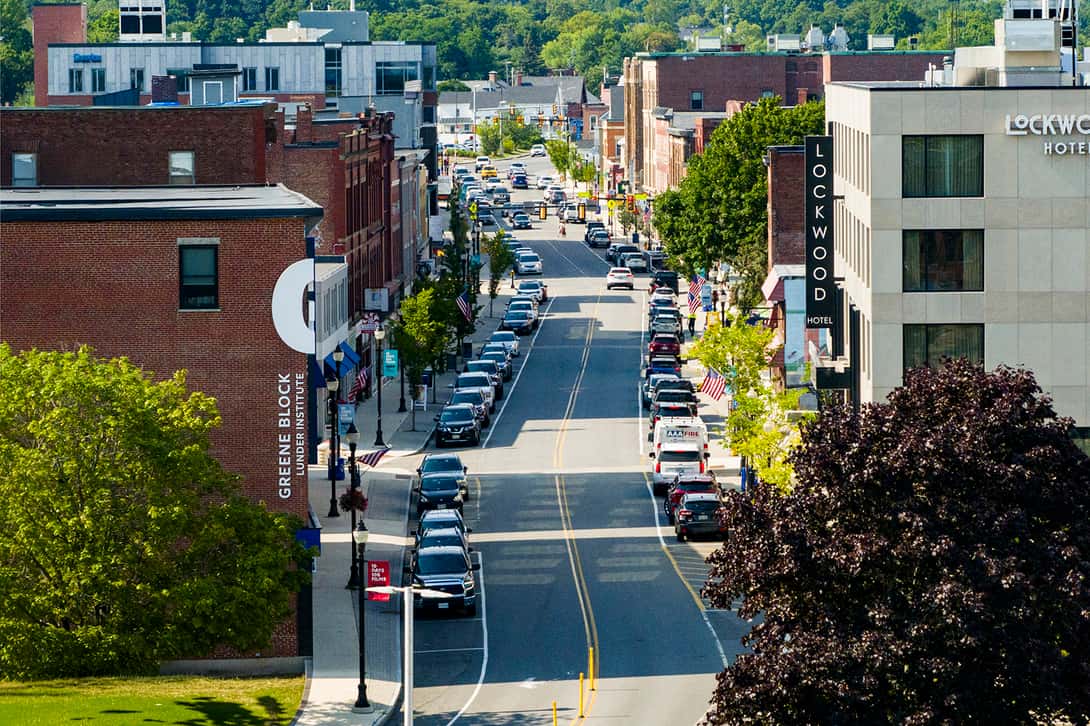
Three times a semester, Colby student volunteers head to the Mid-Maine Homeless Shelter in Waterville to lead workshops on a range of health-related topics, including healthy habits, goal-setting, nutrition, and accessing resources.
But the students do more than just talk with the folks at the shelter. They also play games like Jeopardy!, share snacks—and listen a lot.
For Matthew Herrick ’27, executive director of the student-led Colby Community Health Program, that’s all part of the plan. The psychology major, who has led the group for almost two years, aims to share health information with people who might not otherwise have much access to it. He and other student leaders also hope to reduce the stigma of homelessness while breaking down the walls between the campus and the Waterville community.
Their efforts are paying off. The group is now seeing anywhere from 10 to 30 residents attend the workshop sessions, with as many as 100 students applying to volunteer for the program yearly.
Overseeing the program’s growth—and seeing how everyone involved benefits—has been deeply satisfying to Herrick and the leadership team, which for the last couple of years has included Christine Park ’26, the educational content officer, and Papa Boateng ’27, the volunteer outreach officer.
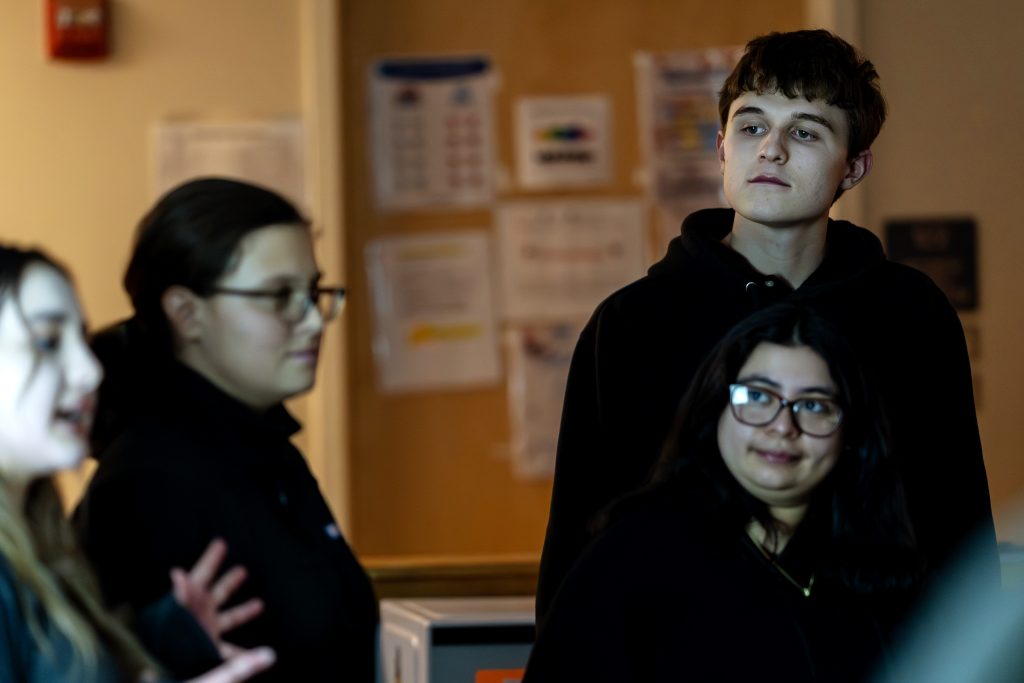
“It’s a space where everyone can be on equal terms,” Herrick said. “There’s mutual learning and mutual understanding. We’re not just teaching health information. We’re also asking them what they think, what experiences they have. Because we can learn from them just as much as they can learn from us.”
Justin Price, assistant manager at the Mid-Maine Homeless Shelter, said Herrick and his team are warmly welcomed and receive a lot of positive feedback from the guests. That reception is not just because of the snacks and games, although those elements do help make everyone feel comfortable and able to learn from each other.
“It takes somebody who’s really personable and not afraid to get in there and just talk,” Price said. “They’re not afraid of whether they’re going to say the wrong things. They just get in there and do the good work. And that’s what Matthew and his team do every time.”
A chance to serve others
The Colby Community Health Program builds on a foundation laid by Saathvika Diviti ’25, an O’Hanian-Szostak Fellow for Civic Leadership, who wanted to educate shelter guests about medical resources, especially those related to substance use, abuse, and harm reduction. She called her group the Colby Community Health Clinic, and Herrick, Park, and Boateng volunteered to join.
For Park, a biology major, the initial draw was the chance to serve the community.
“I wanted to help. I wanted to do something with the things that I learned,” she said. “Out of the programs that I’ve been able to be part of and contribute to at Colby, this was one of the most rewarding ones.”
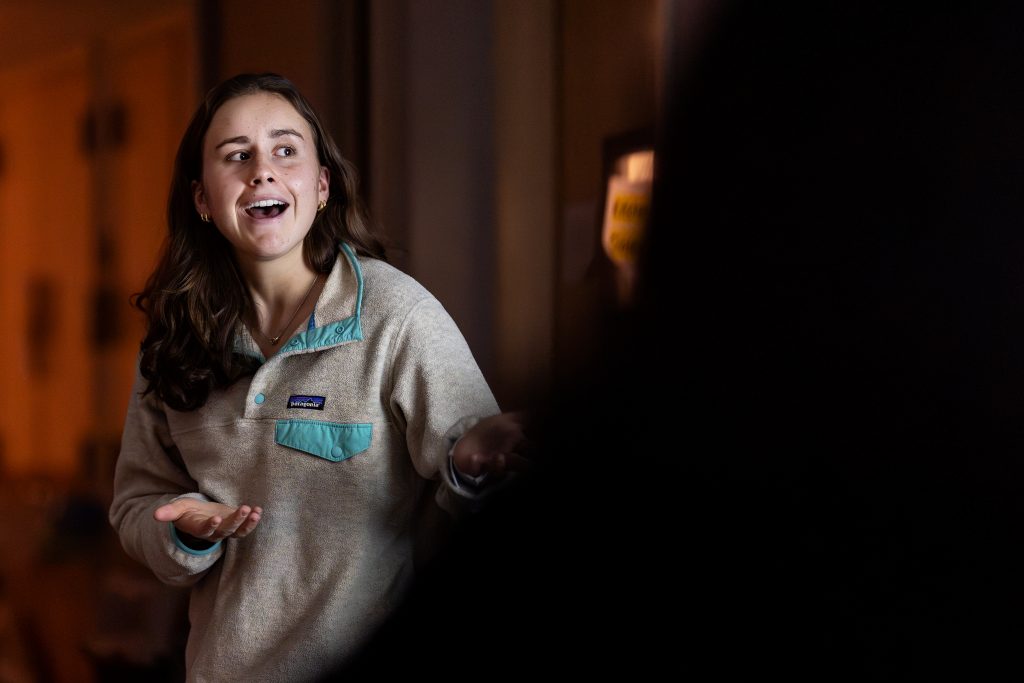
Boateng, also a biology major, said his experiences living in both the United States and Ghana have given him a firsthand understanding of health disparities and a firm conviction that achieving positive health outcomes requires working with people in the community, not just in a clinical setting.
He thought the group could help build connections between Colby and the greater Waterville community. Still, he recognized that the way students undertook the work would be critical to its outcome. They did not want to suggest to the people at the shelter that they had all the answers.
“We don’t know everything,” Boateng said. “But we are approaching it with care and with the mindset of bridging a gap.”
Built to last
When Diviti was preparing to graduate, she developed a succession plan to ensure the group would continue. That is important to the College, too, which wants to make certain that student-initiated civic engagement projects continue after founders graduate, according to Elizabeth Jabar, the Lawry Family Dean of Civic Engagement & Partnerships.
“You will graduate, but the College stays, and we want to maintain those relationships and be of service to the community in all the ways that we can, and do it responsibly,” Jabar said last year.
As Herrick, Park, and Boateng stepped in to direct the program, they brought their own ideas. They moved away from lectures toward a workshop-style format that emphasizes discussion and crowd engagement. They also changed the program’s name, reflecting a switch away from harm reduction to general health and wellness.
“It’s more applicable to everyone in the shelter,” Herrick said.
The leadership team reviews applications and ultimately selects 15 or so volunteers based on their alignment with the group’s purpose and their comfort speaking with people.
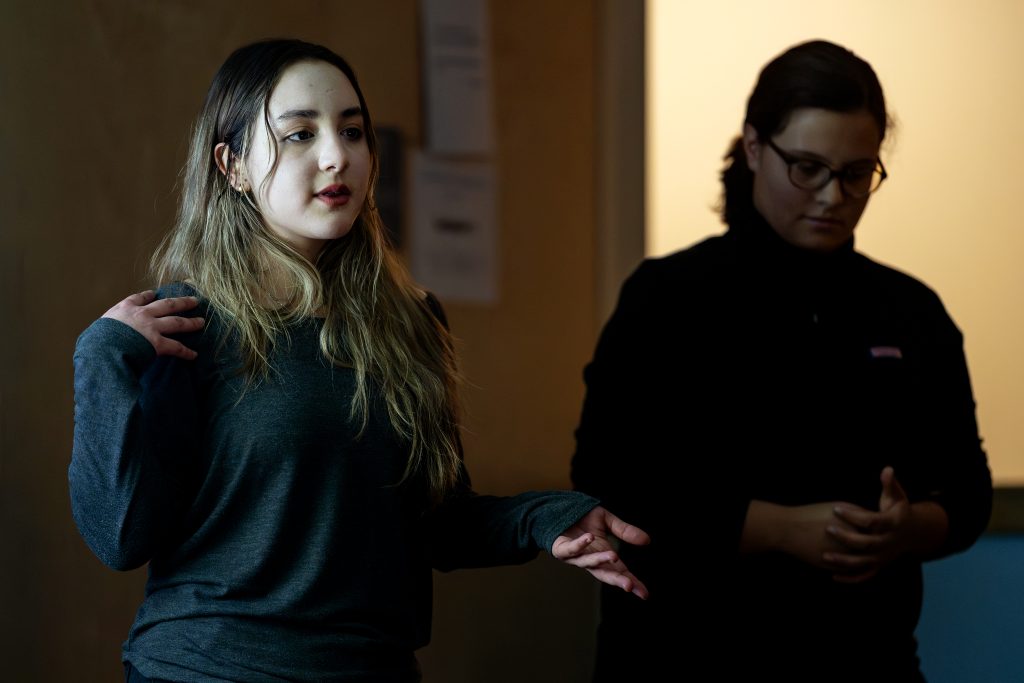
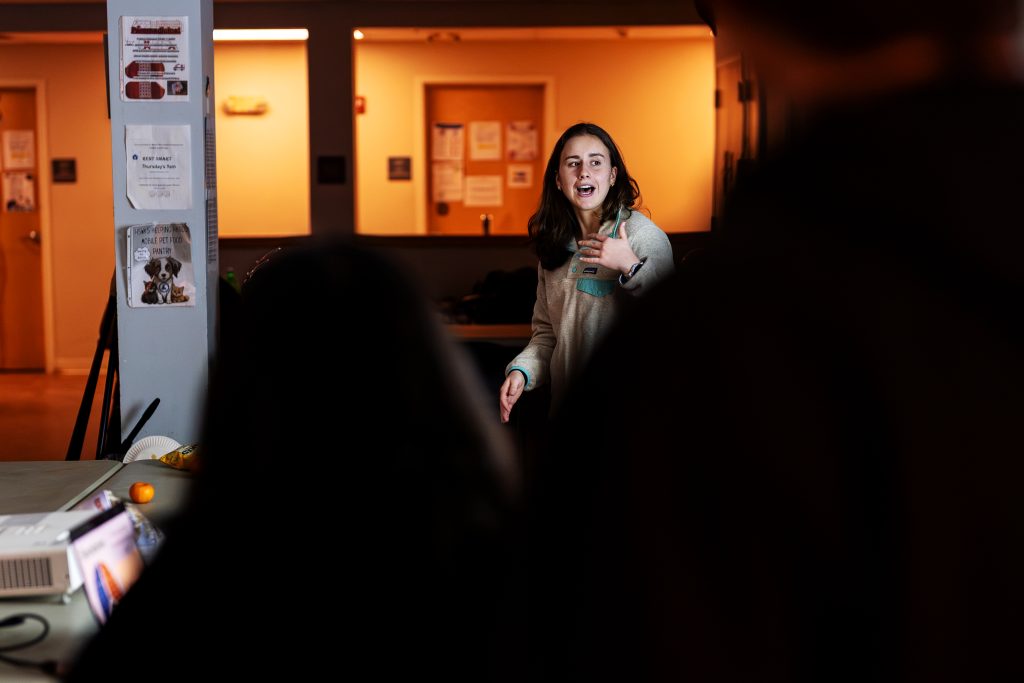
“I want to see that you’re interested, that you care, and that you have a little bit of public speaking experience,” Herrick said. “I’m looking for people to have an understanding of the fact that they’re coming from a totally different background. You have to ground yourself in their shoes.”
Student volunteers undergo a detailed training process developed by Herrick. Among other requirements, they create videos of their presentations and receive feedback, which makes them feel confident and ready.
Herrick and Sasha Alcott, associate director of STEM programming at the College and the group’s advisor, are looking for the best ways to evaluate and track the program’s success.
“Under Matthew’s leadership, he’s really made this very professional,” Alcott said. “It is a program with a clear mission and goals, and we are figuring out together how to make these experiences quality experiences.”
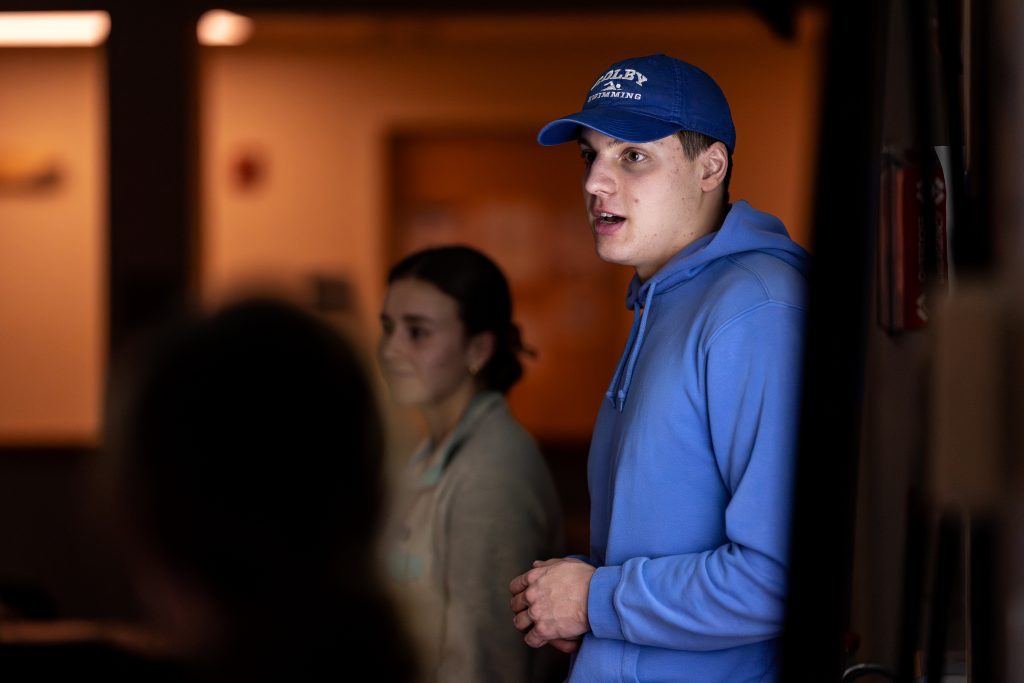
Always, the students work to respect the lived experience and knowledge of the shelter’s guests.
“We’ve really changed the focus to be about relationship building,” Alcott said.
An empathetic worldview
For Herrick’s part, his interest in being part of the group is informed by his own history, which has brought home the understanding that people experiencing difficulties are, first and foremost, people.
Until he was 8 years old, he lived with his biological father, who struggled with substance abuse. After that, he entered the foster care system and has been with the same family since he was 10 years old. His birth father died when he was 13, and he does not have a relationship with his birth mother.
“I was kind of a troubled child. I argued a lot, and I wasn’t perfect, obviously,” said Herrick, who grew up in Bangor and Old Town. “I did well in class, but I caused a lot of problems, too. I didn’t like being told what to do, because I had never been until I was 10 years old.”
“I have two goals. One is to share health information. And the other goal is to simply connect.”
Matthew Herrick ’27, executive director of the Colby Community Health Program
He has endured more than his share of hardship, loss, pain, and trauma. But his story also shows the power of resilience, of believing in yourself, and of the idea that life has more to offer than may be immediately apparent. And although Herrick doesn’t necessarily share his past with everyone, it informs a worldview rich in empathy, which is reflected in the work he does at the Mid-Maine Homeless Shelter.
“I don’t want to be a Colby student who talks at people and tells them how they should live their lives. That’s not how it should be,” he said. “I know I have two goals. One is to share health information. And the other goal is to simply connect.”


