Rooting for the Home Team Since 1876
Celebrating 150 years of America’s pastime at Colby
Editor’s note: Our photographers spent the spring embedded with Colby’s baseball and softball teams to document their historic seasons. Today, we publish our coverage of the 150th season of Colby baseball. Coming June 16: The 50th season of Colby softball was the best one yet.
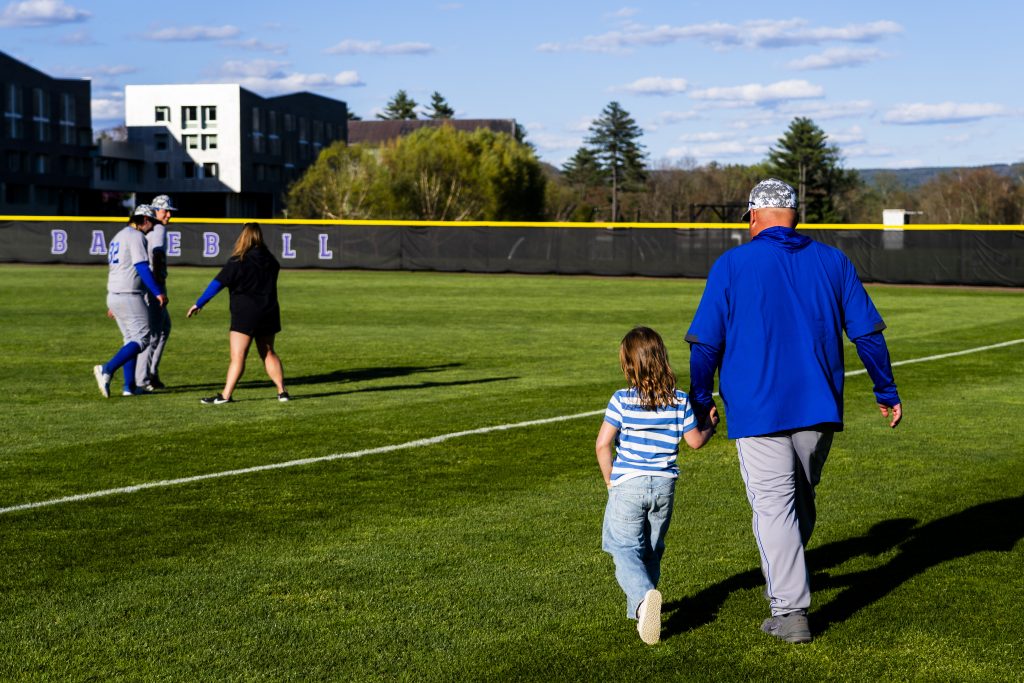
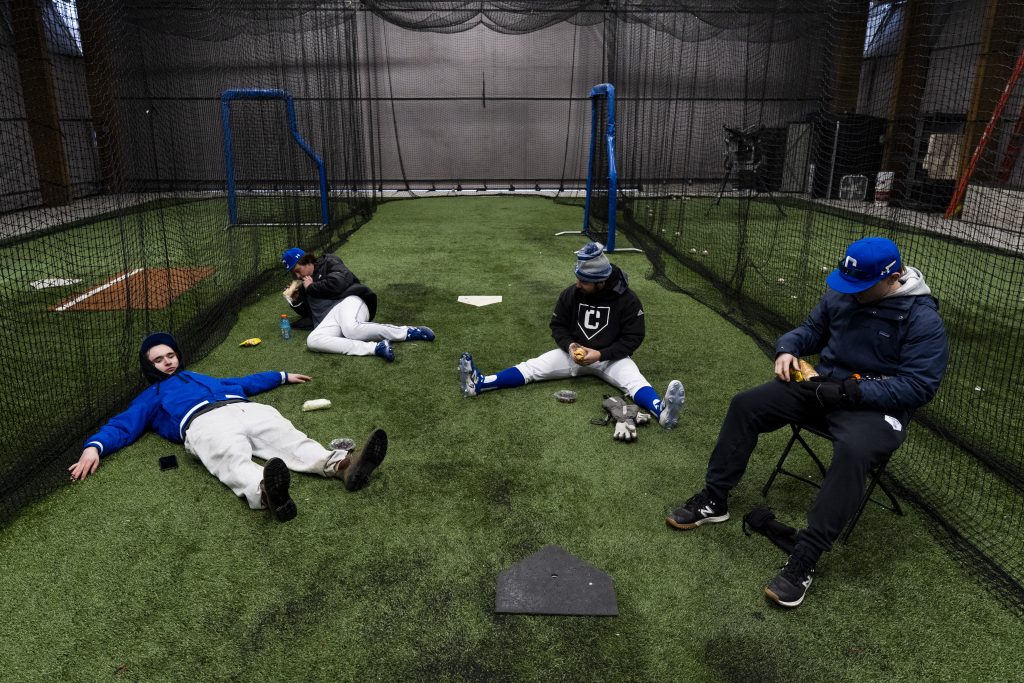
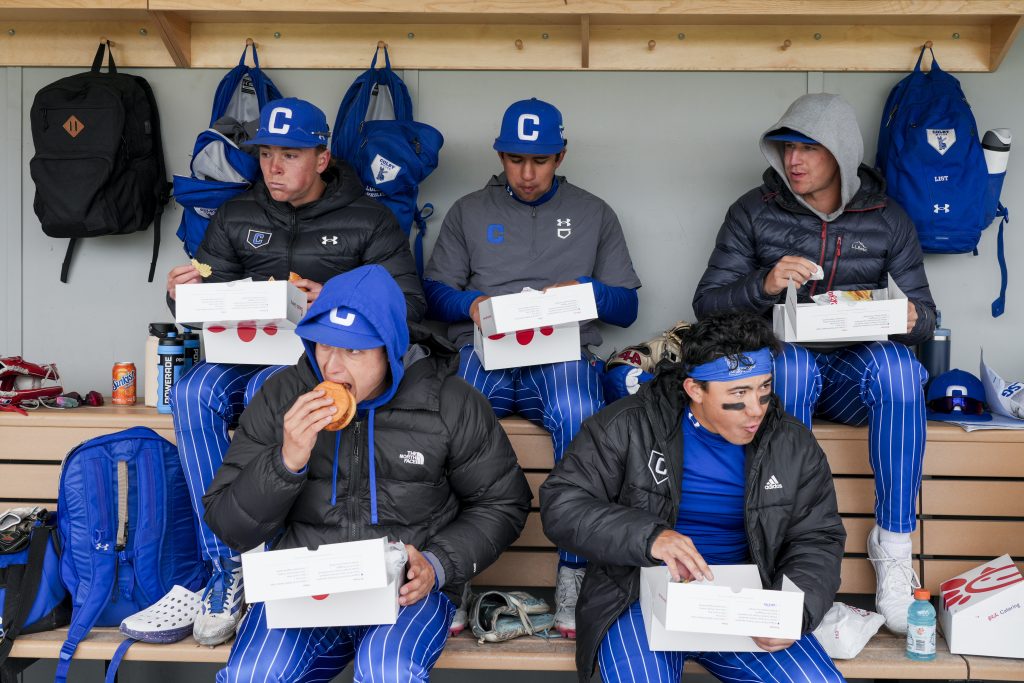
The first Colby baseball players—then collectively known as the Colby Baseball Association—would never have dreamed of heated dugouts, lighting for night games, and hitting tunnels, let alone the batting cages and training facilities at the Harold Alfond Athletics and Recreation Center.
For Head Baseball Coach Jesse Woods, who joined the program in 2019, honoring the players who came before is part of his coaching philosophy. “We couldn’t be where we are today without the years that came before. All of the hard work and grit those players gave to the College, we’re the benefactors of now.”
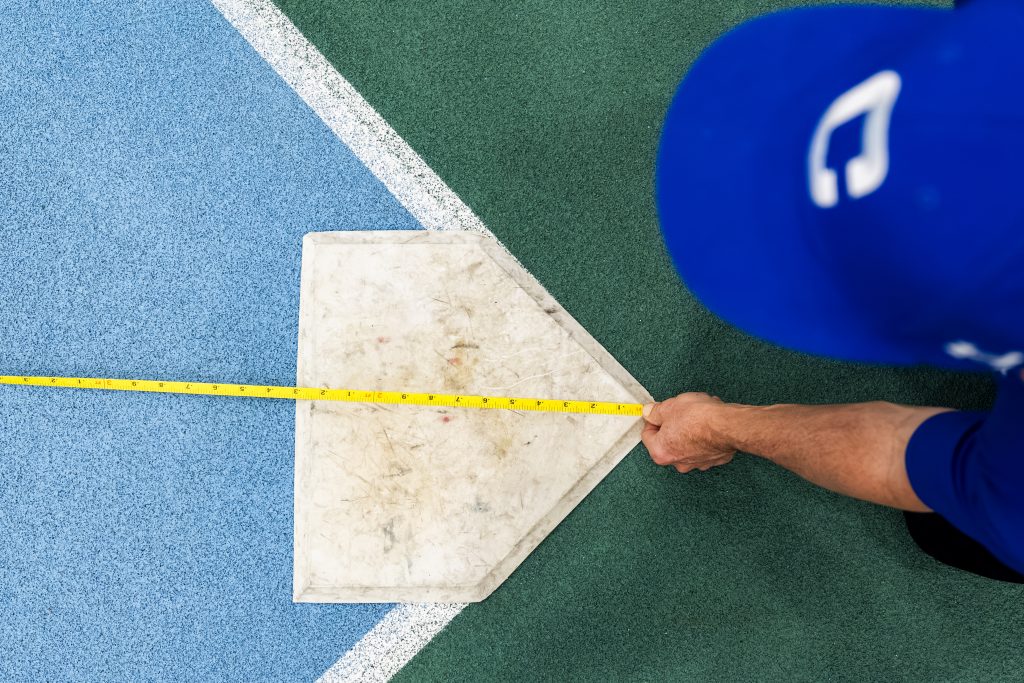


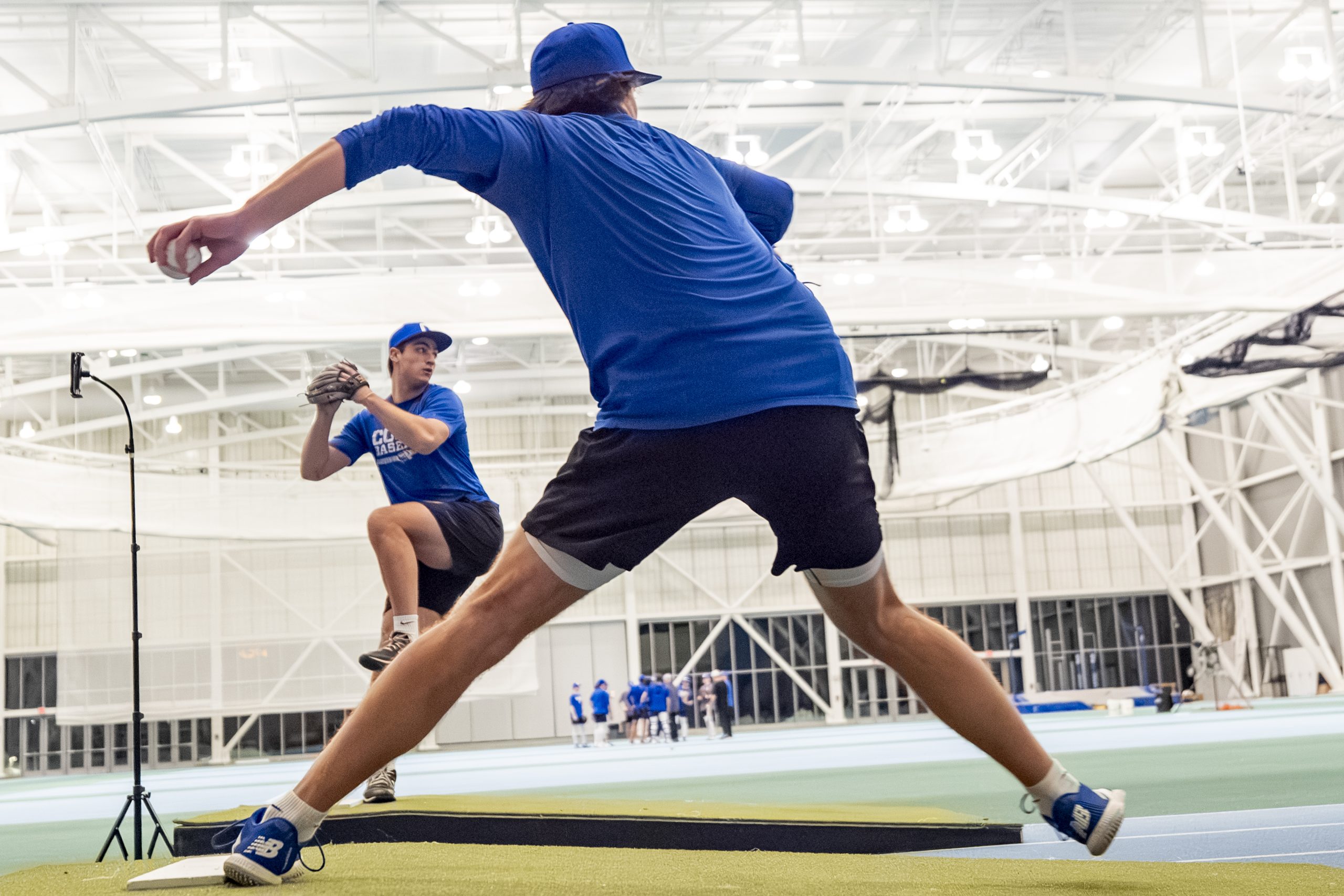
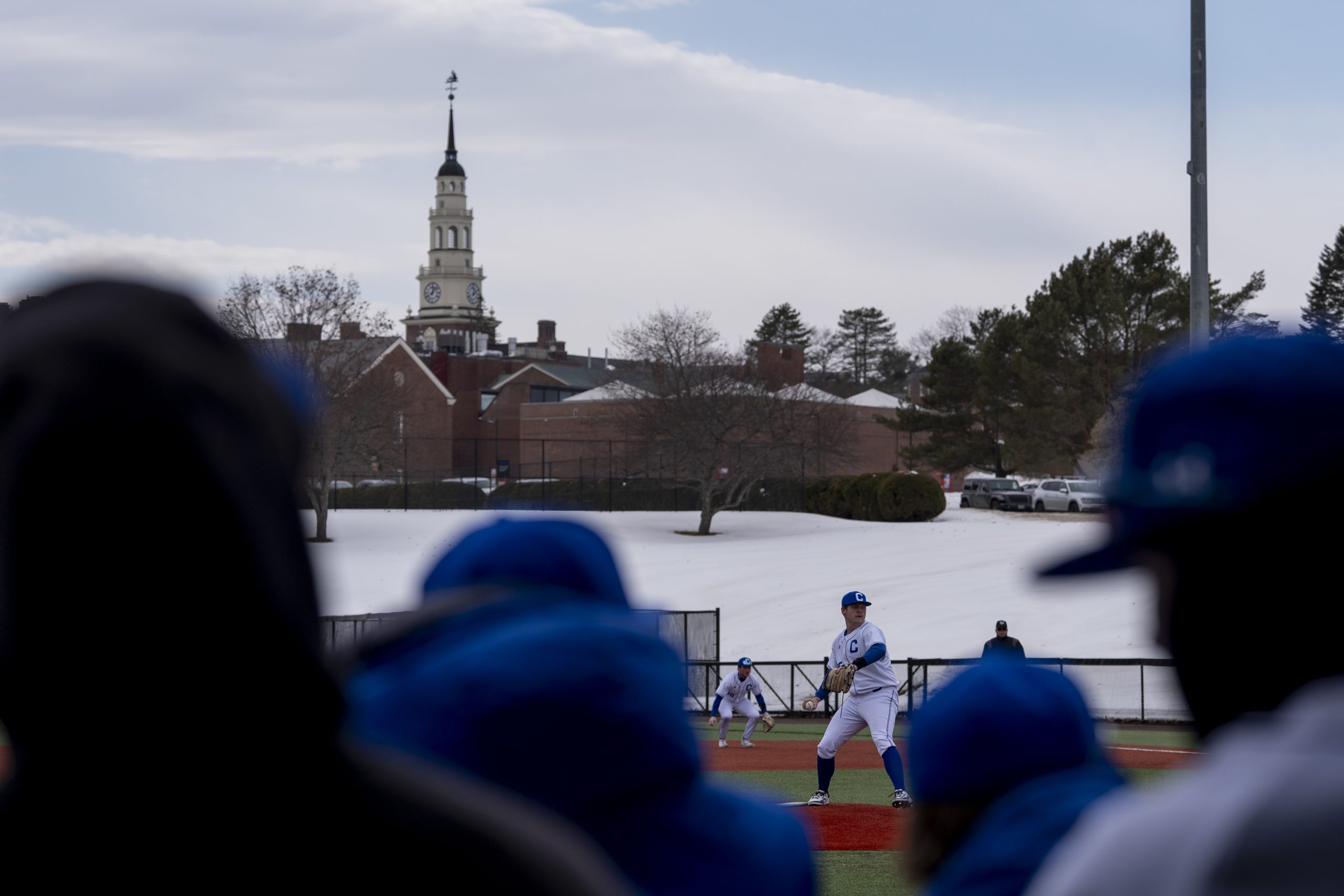
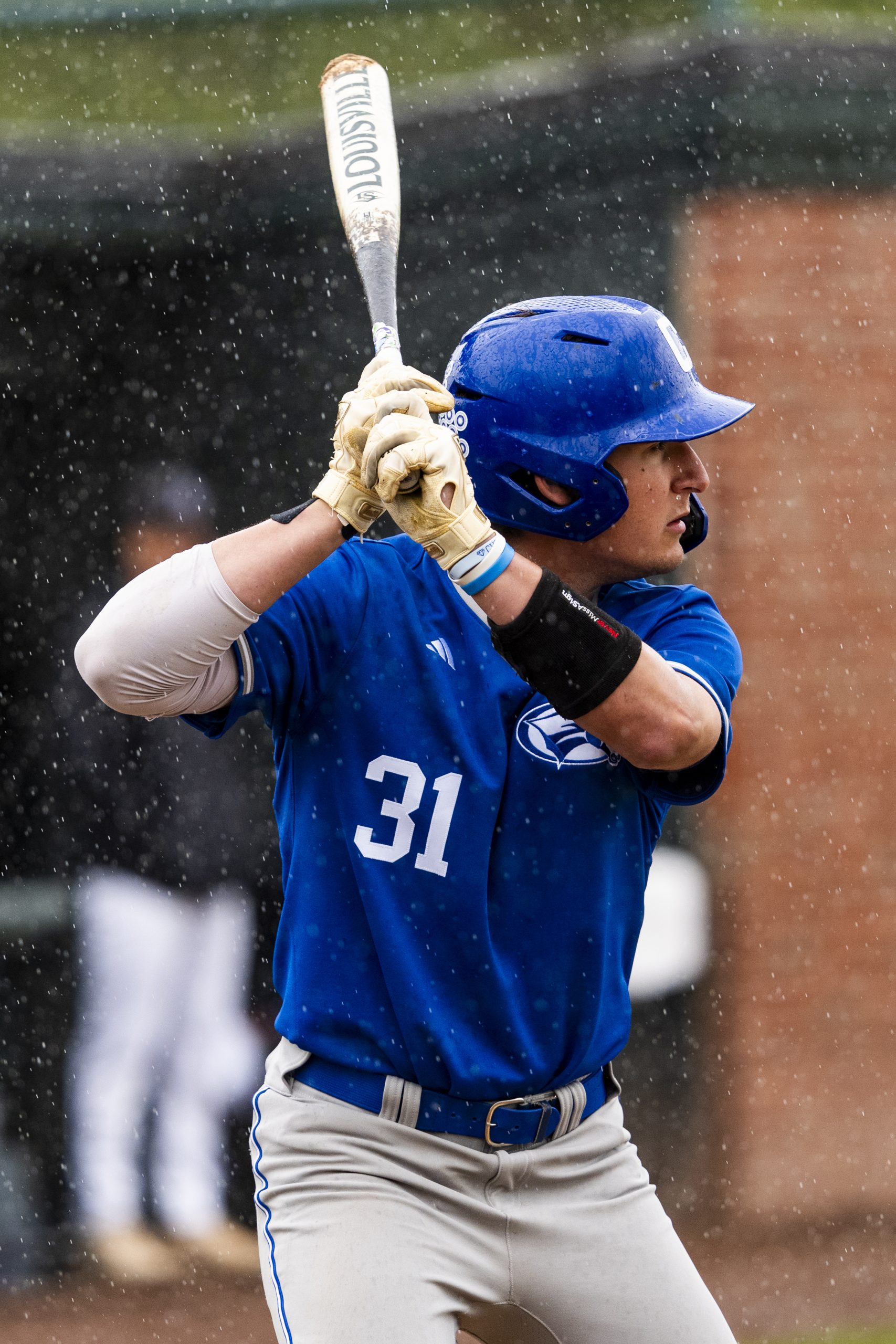
The rules and pace of baseball have changed dramatically since the first baseball team carved out its own diamond on the downtown Waterville campus in 1876. Back then, pitchers were known as “hurlers” and threw underhand; fielders didn’t use gloves. And of course, they had Mother Nature to contend with.
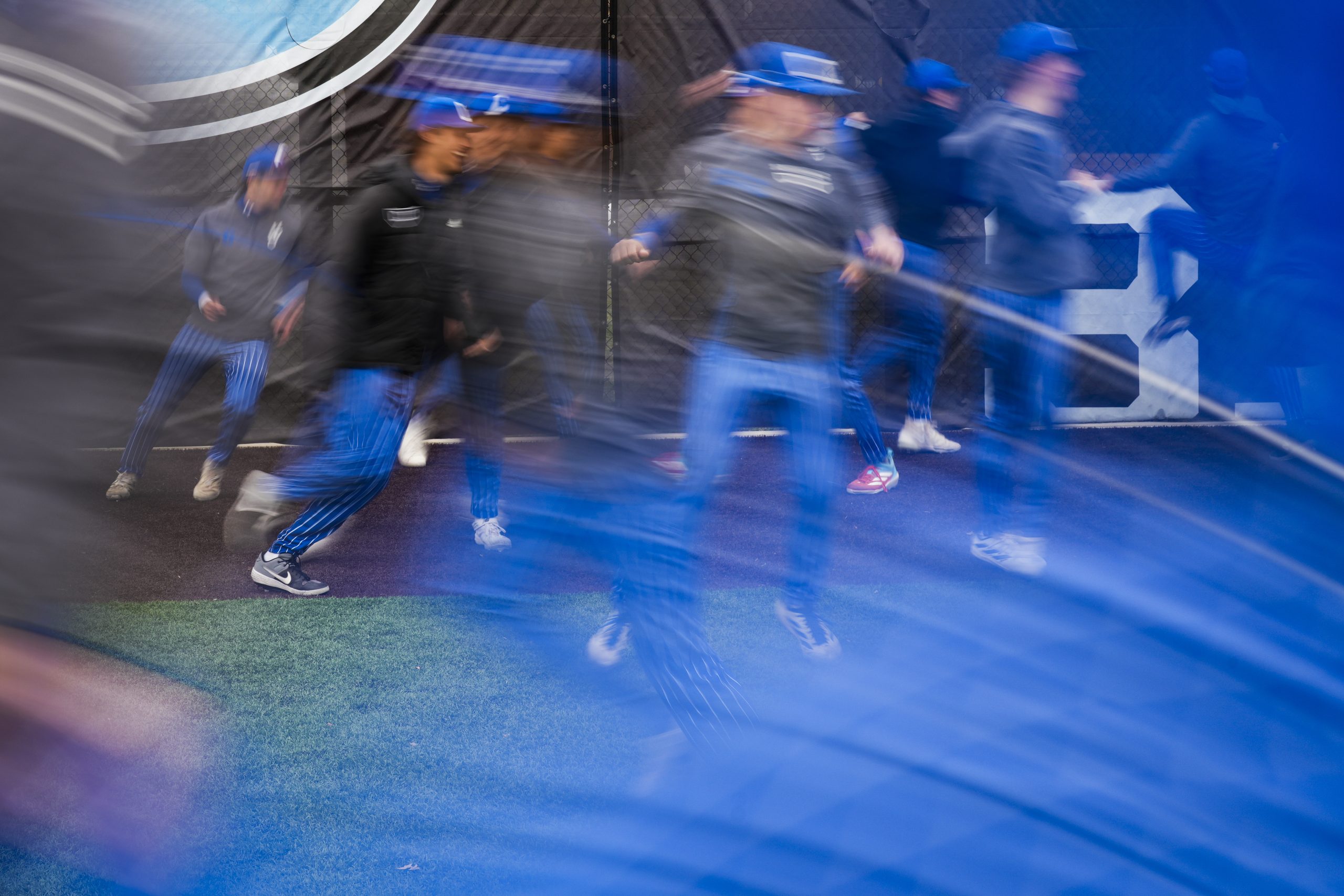
“With a turf field, it gives us a fighting chance to have a real season,” said Woods. “Just because there was a snowstorm the night before, if current conditions are OK, we can clear the field and play in this beautiful facility. And even if we are inside, we can really focus on developing the team and developing the individual players, whether that’s strength training, recovery strategies, or meeting spaces, which allows us to elevate the level of training and play for our athletes.”
Recent success
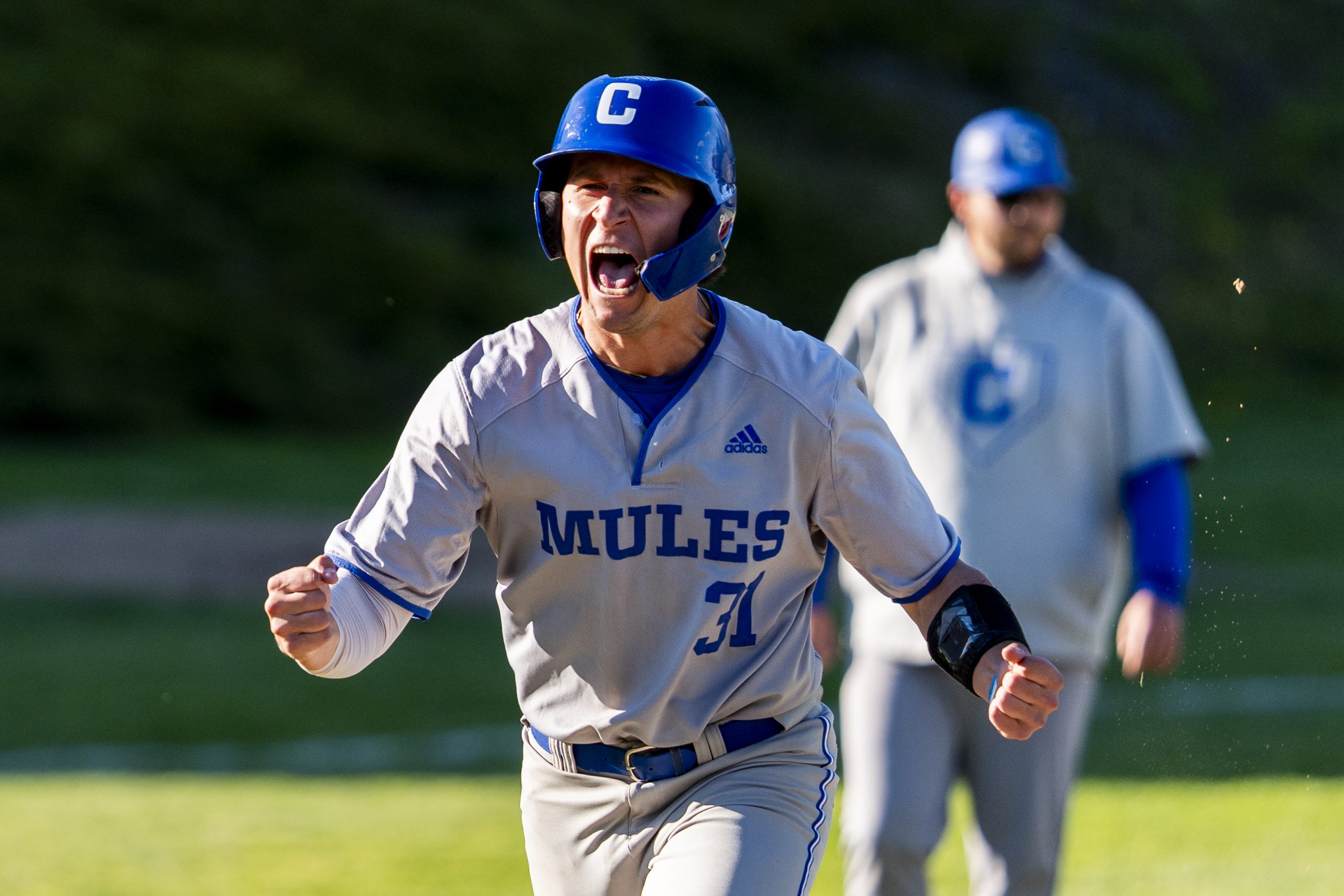
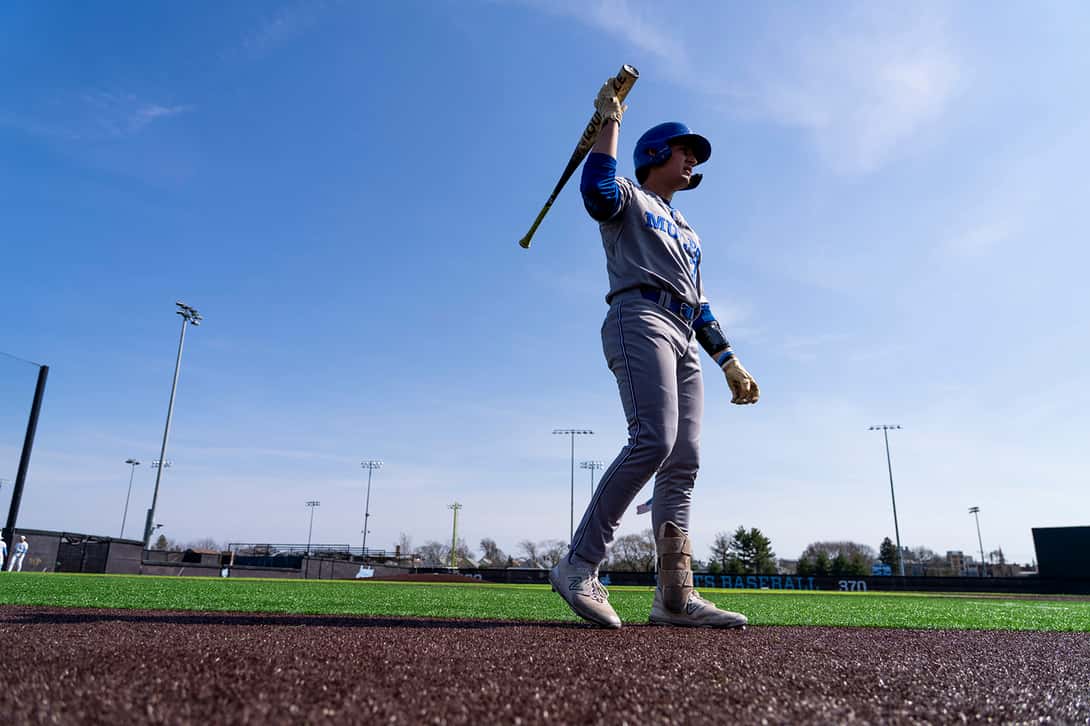
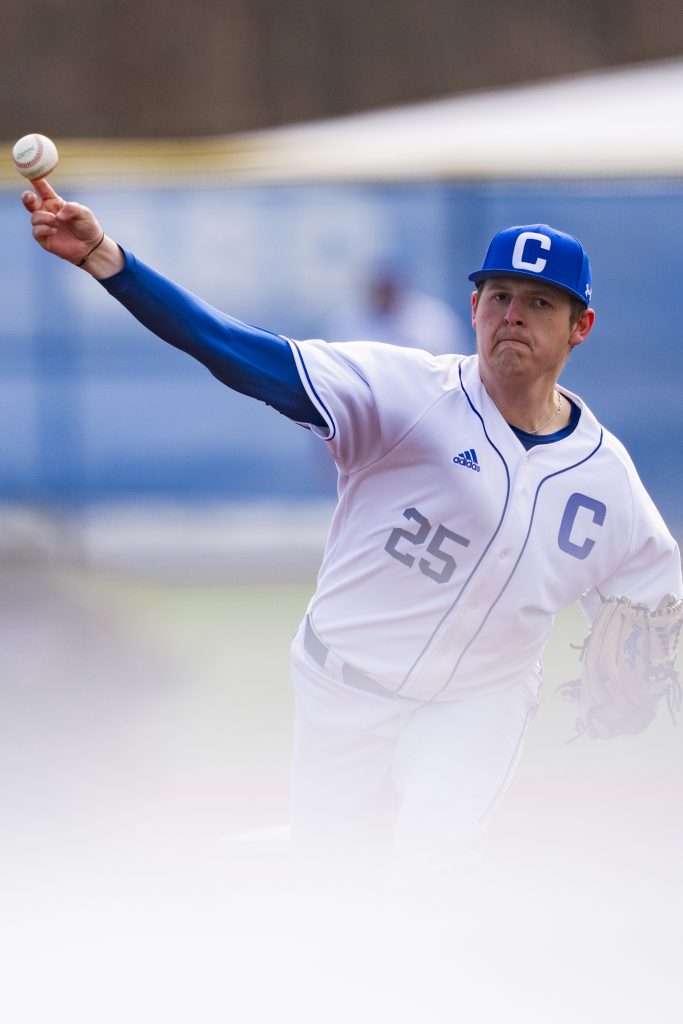
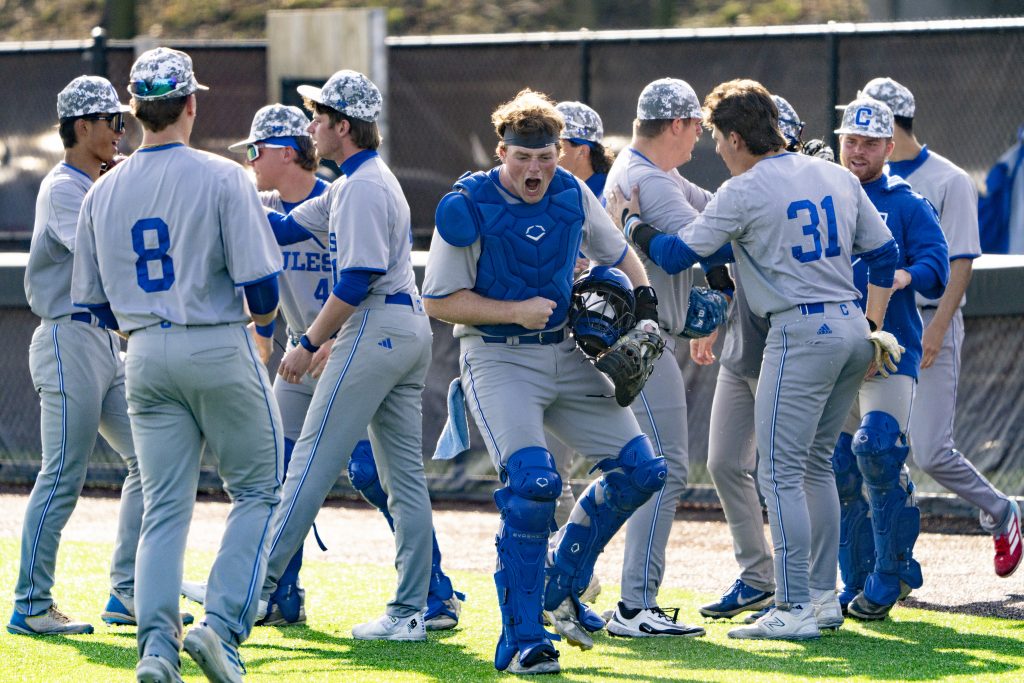
But the Mule spirit remains the same. The program enjoyed success from the beginning and has experienced a resurgence in recent years. After consecutive NESCAC appearances in 2022 and 2023, the 2024 season was a breakthrough. That year, the Mules won 29 games and earned the program’s first national ranking and an NCAA Division III playoff berth.
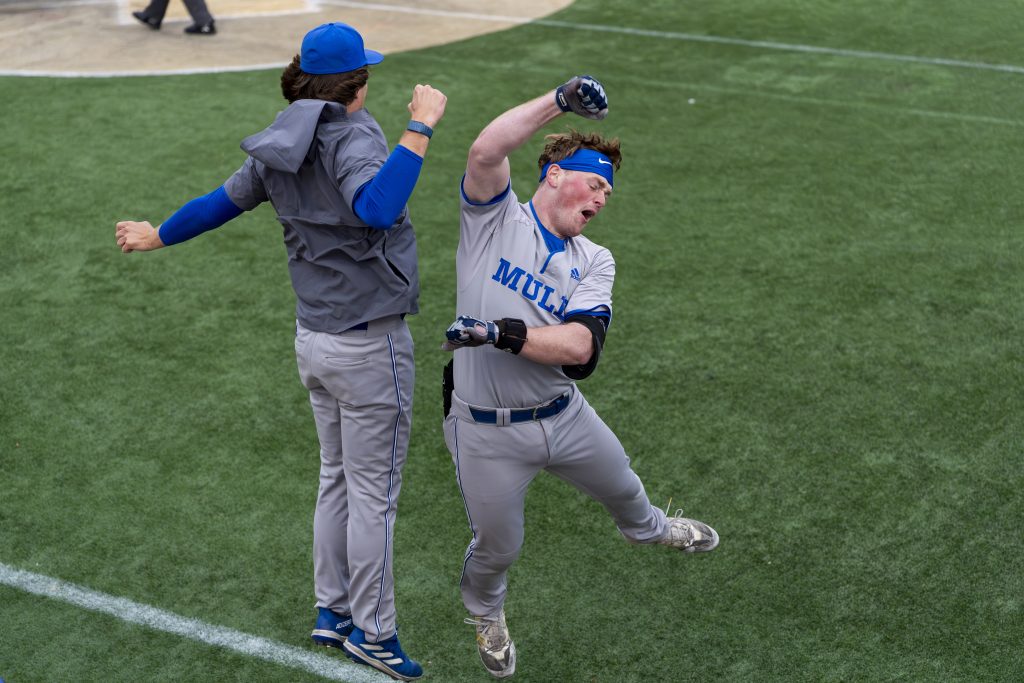
Including the just-concluded 19-win season, Colby has advanced to the NESCAC postseason for five consecutive seasons. The 2026 season was defined by high-stakes drama, with several character-building extra-inning thrillers that should serve the young team well in the seasons ahead.
Patrick Shrake ’27 led the team with 28 runs, 51 hits, and 13 stolen bases, along with a .386 average and .431 on-base percentage. Tony Silva ’26 had a .317 batting average and a .428 on-base percentage, with 38 hits and 19 runs scored. On the mound, the rotation was anchored by ace Thomas Rioux ’26, who led the team in innings pitched (55.0), posting a 4-2 record and striking out 34 batters. Working out of the bullpen, Kyle Bourque ’26 was the most reliable option in high-leverage relief, with a 3-1 record and one save. First-year starter Keeler Vogt ’29 threw 37.2 innings while striking out 26.
Big-league aspirations
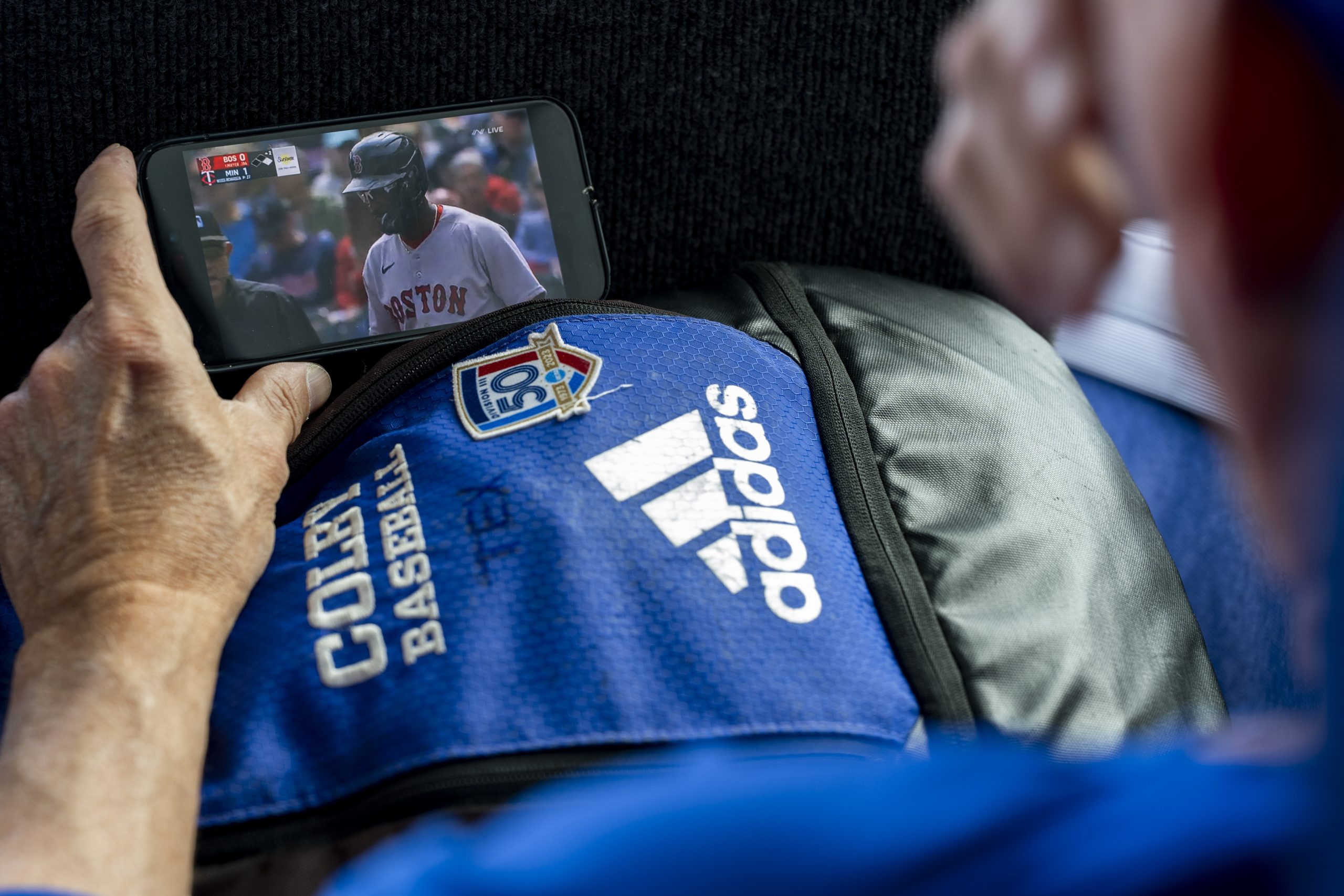
The program has produced a few professional major-league players, such as Jack Coombs, Class of 1906, who pitched for the Philadelphia Athletics and the Detroit Tigers. Coombs was back in the news recently, when his No. 4 ranking on the all-time consecutive scoreless innings streak list (53 innings, 1910) was threatened.
Norm Gigon ‘61 signed with the Philadelphia Phillies in his junior year and eventually played for the Chicago Cubs. More recently, Captain Brady O’Brien ’24 hopes to follow in that legacy for the Seattle Mariners. O’Brien, a four-year starter at Colby, enrolled in graduate school at DI University of Richmond and then signed as an undrafted free agent last summer.
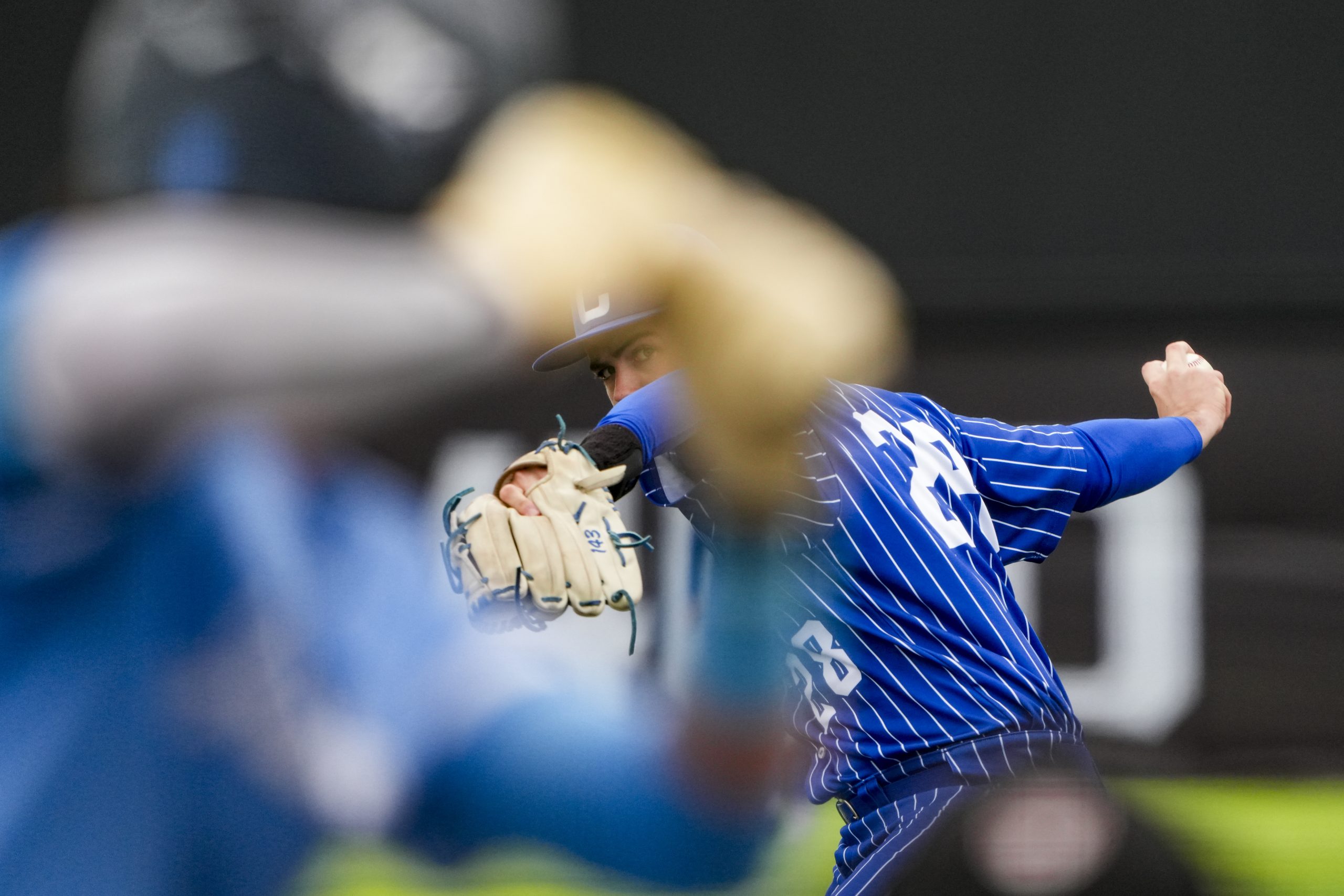
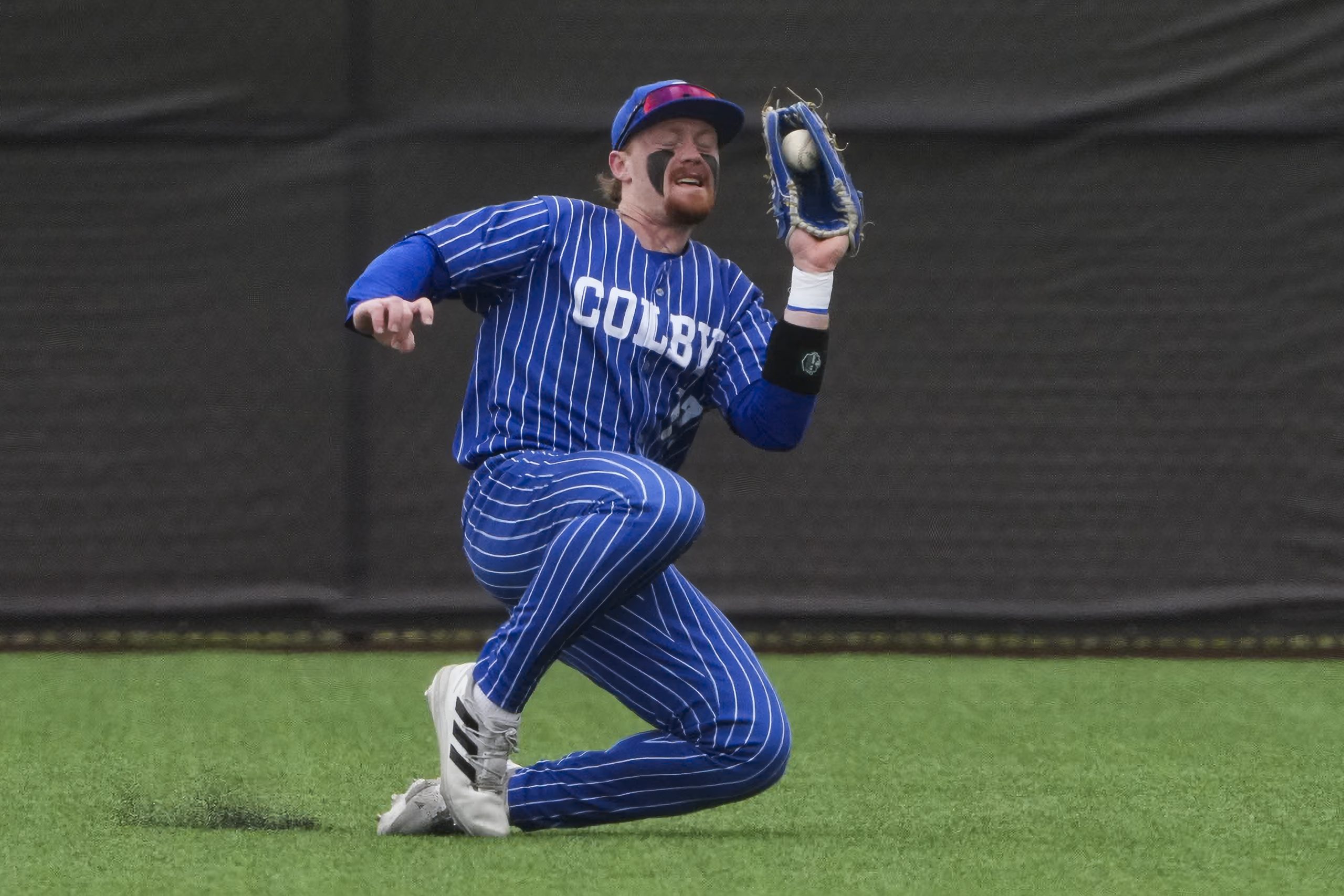
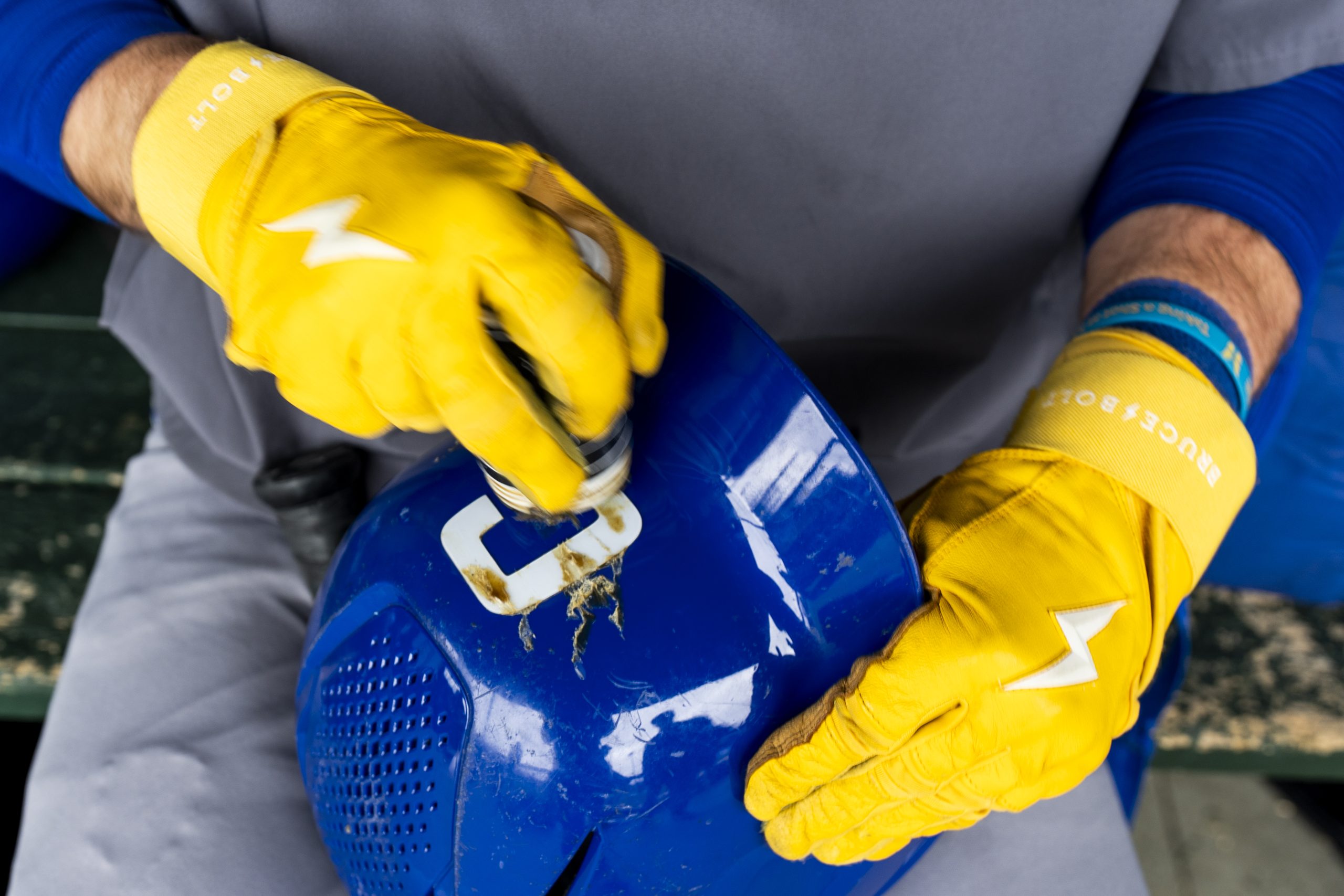
“It was so surreal for me to walk onto that [professional] field the first time,” said O’Brien. “Going from a DIII school like Colby to graduate school at the University of Richmond, and then having this opportunity is something I’m so grateful for, and something I couldn’t have done without the support of my Colby team. Coach Woods was the first one who really believed in me, that I could be successful, and I’ll never forget it.”
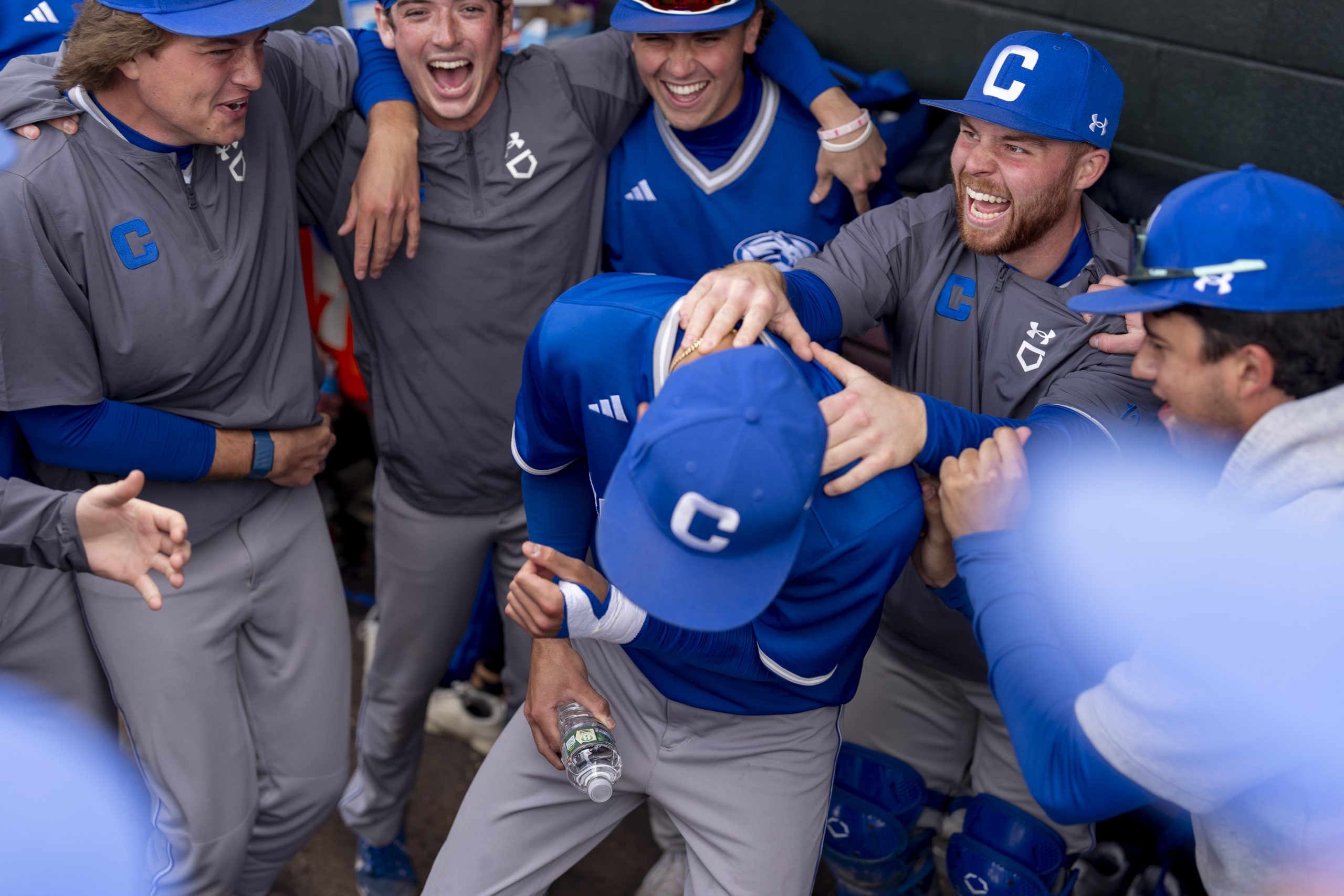
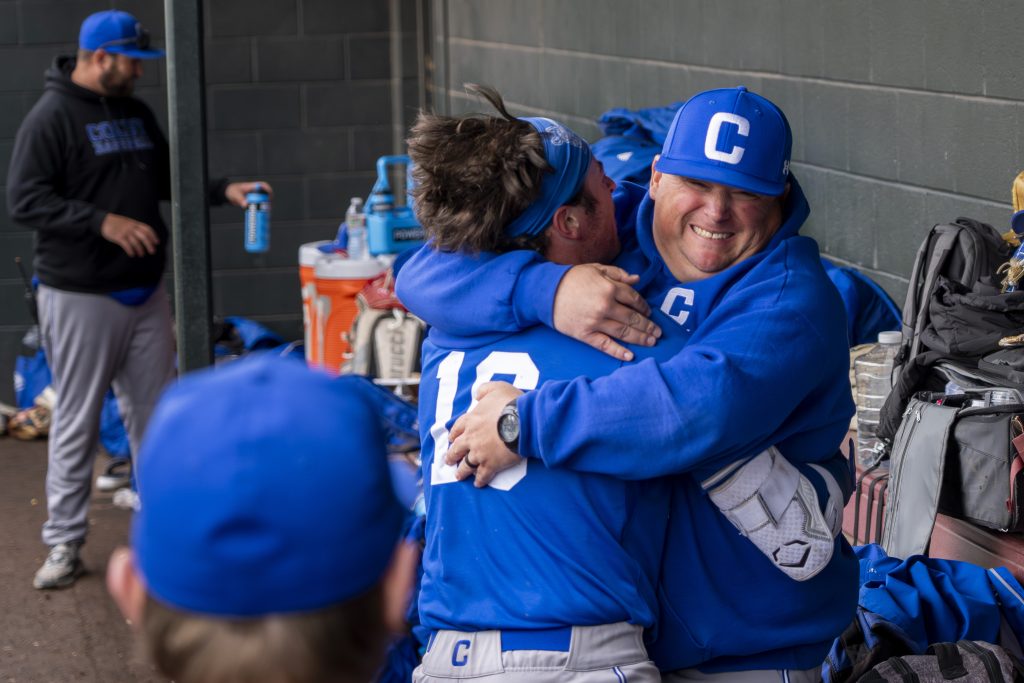
But for O’Brien, it’s not the long training sessions or batting-cage hours that stay with him. “What I hope to take with me as a pro baseball player is the culture that Coach Woods has built at Colby,” he said. “It’s a winning culture, but it’s a family culture.”
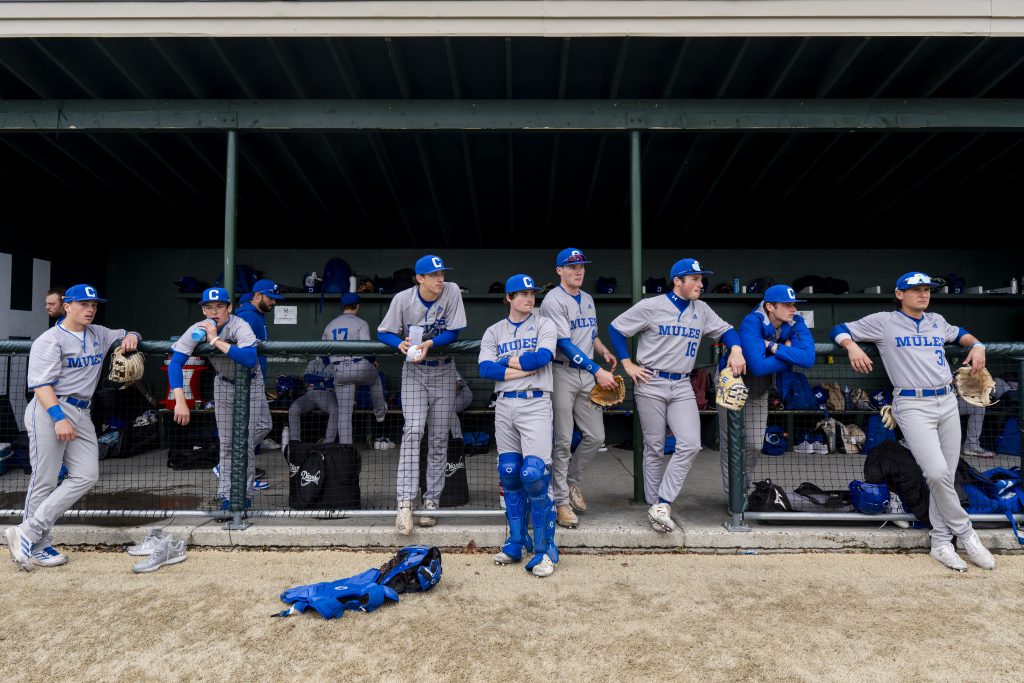
Coaching philosophy
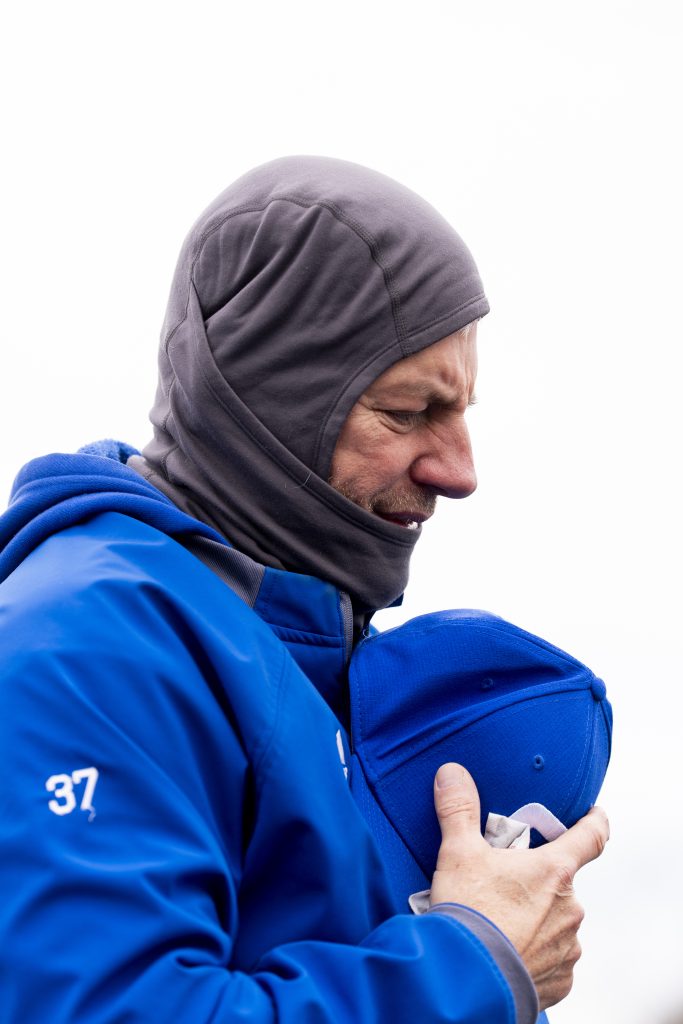
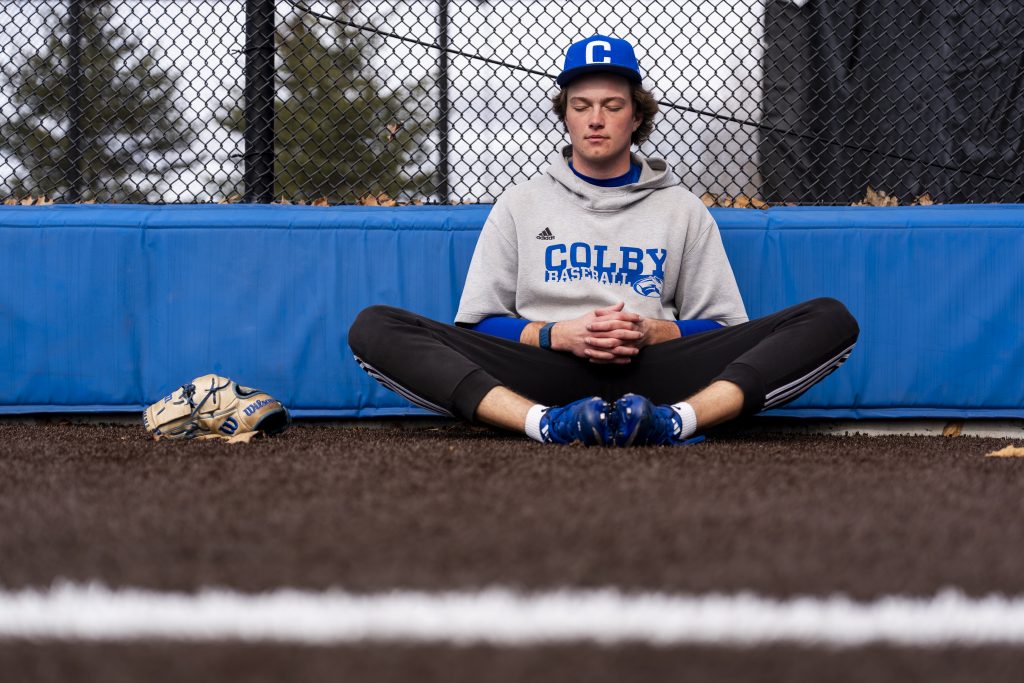
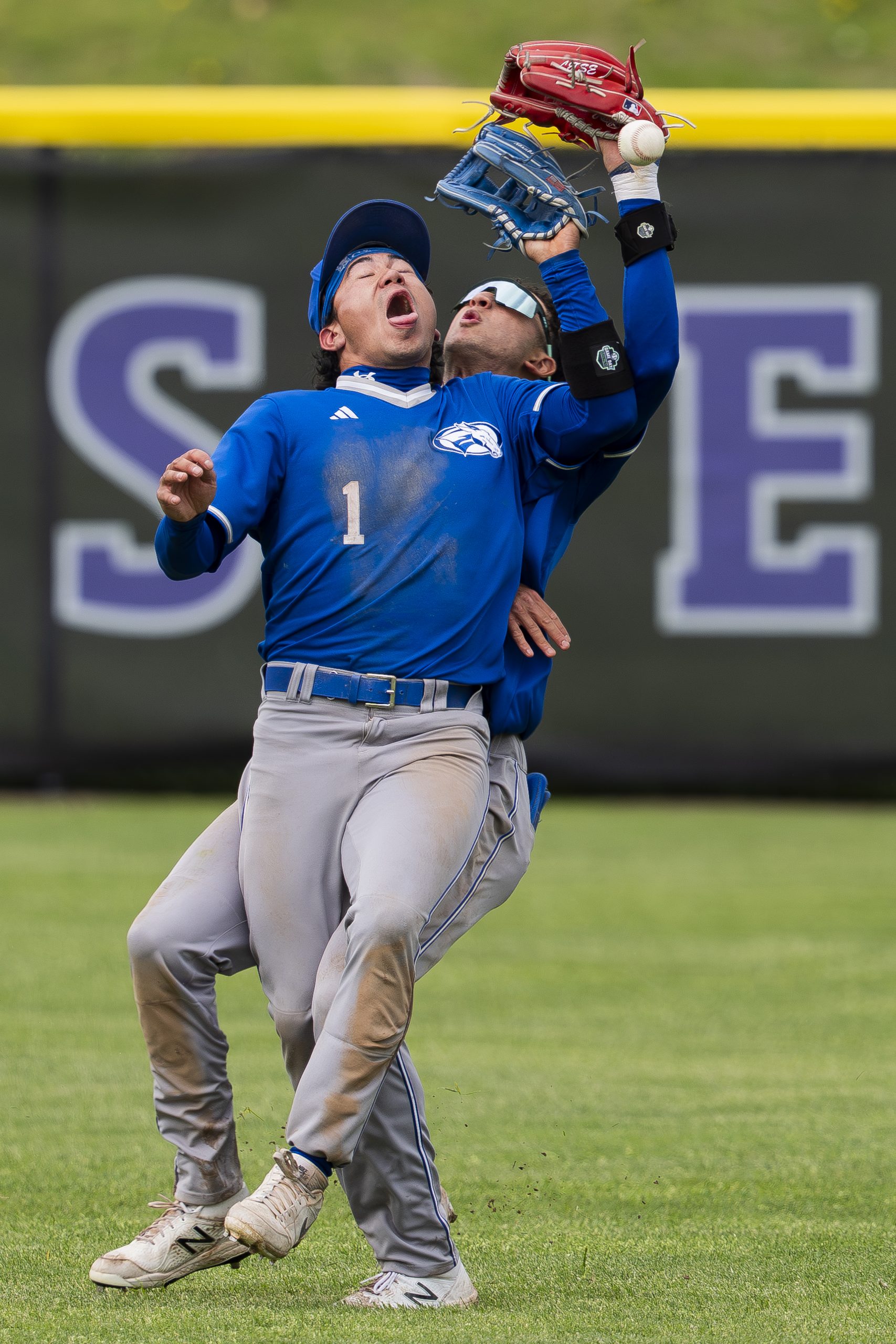
Woods’s coaching philosophy invites a well-rounded player with interests off the field. “What I want our players to reflect back on is their life at Colby, not just baseball,” he said. “Baseball has so many ways of challenging you. You can do it all right and still not get the hit. You can square one up, and it can get caught in the wind. You can throw the greatest pitch, and someone still gets a hit off of it. I hope to teach my players resilience, and that they come out of this program not just better players, but better people.”
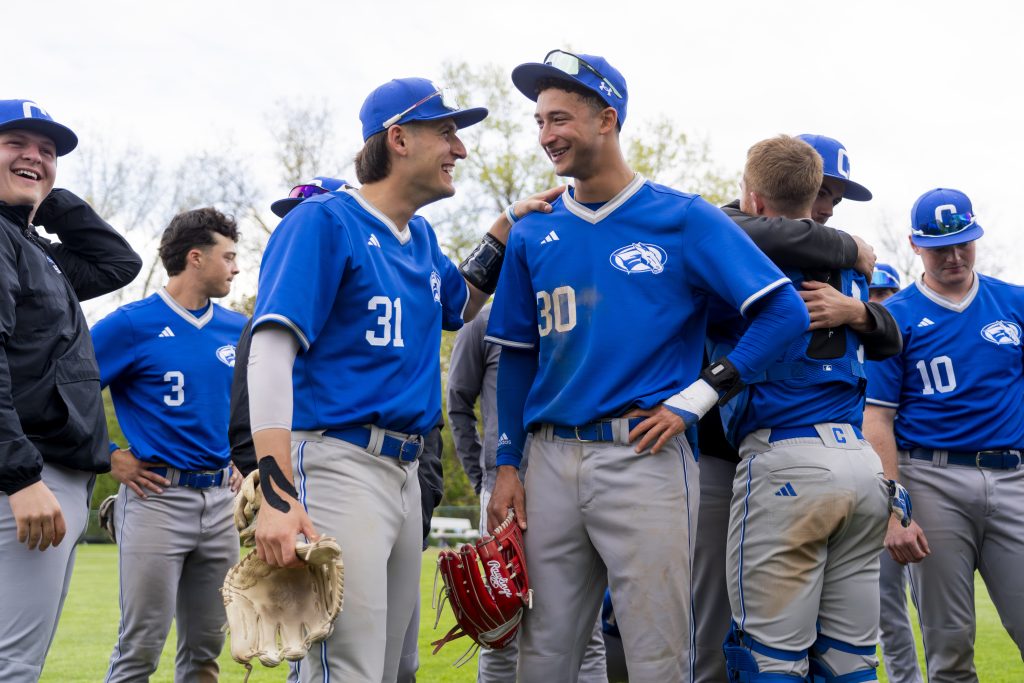
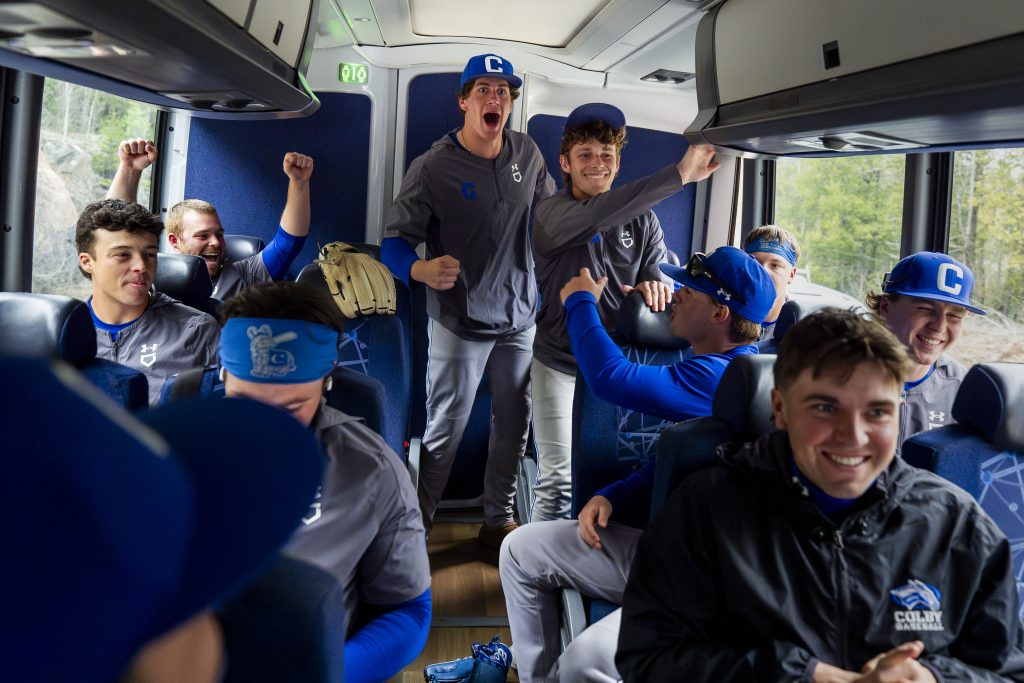
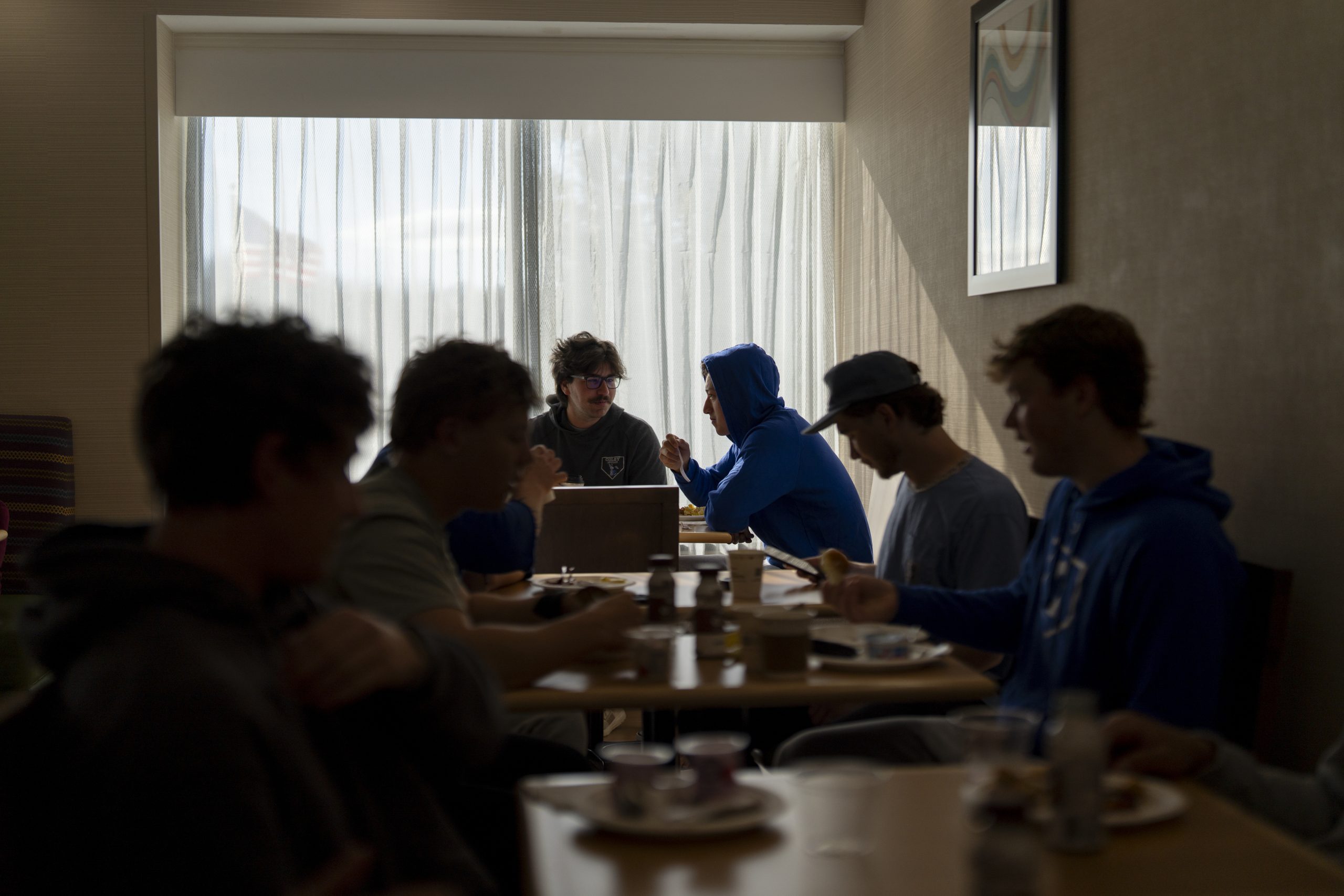
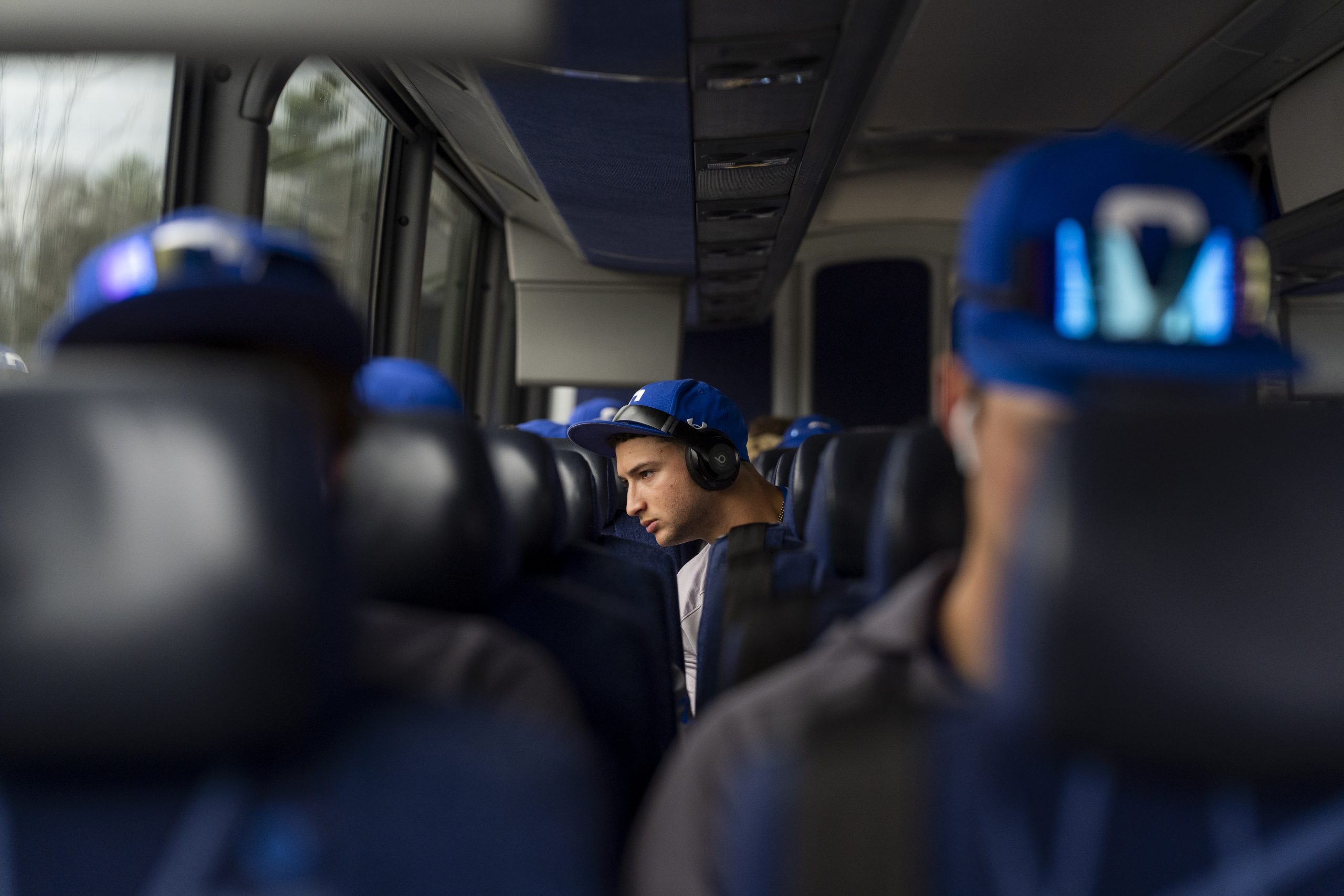
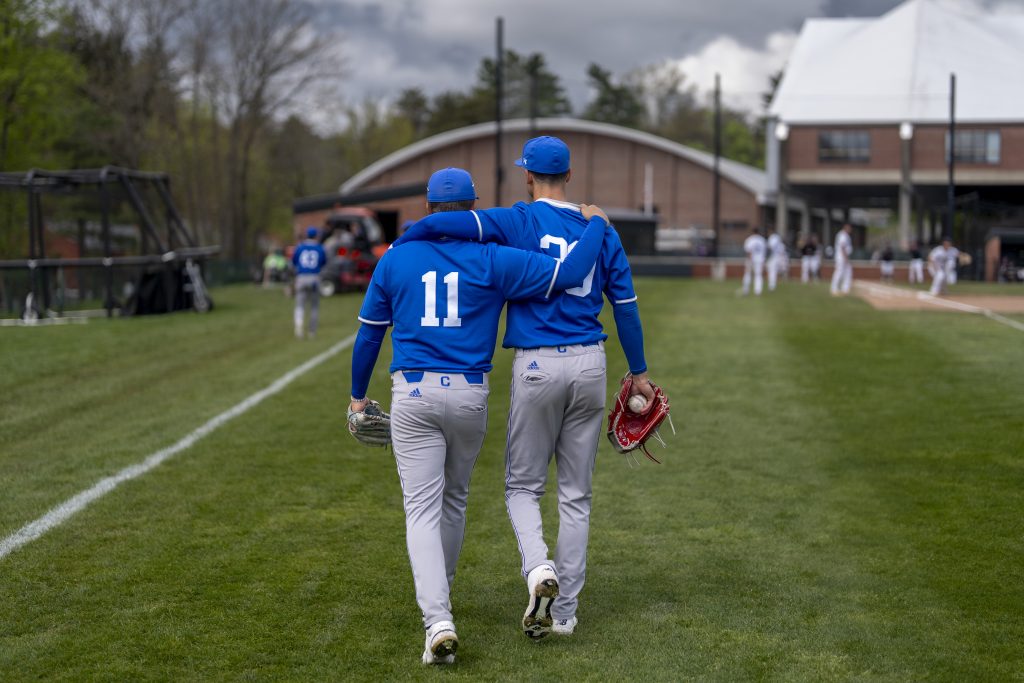
This past season, which began in the cold of winter and included many long road trips that fostered bonding and what will likely become a few lifelong friendships, ended during the NESCAC playoffs on the road at Amherst.
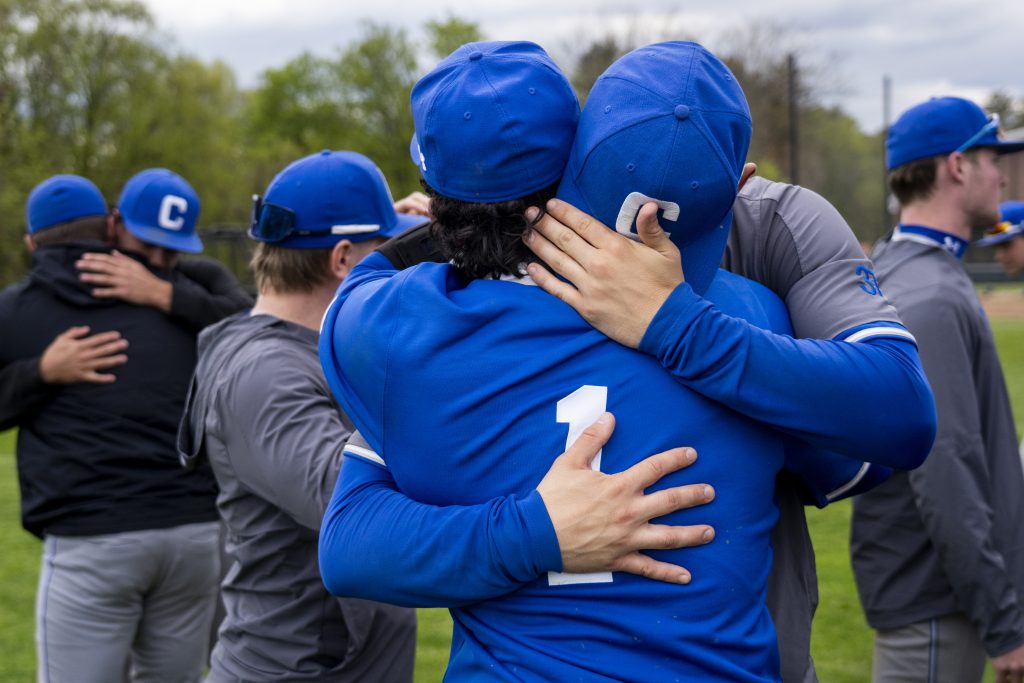
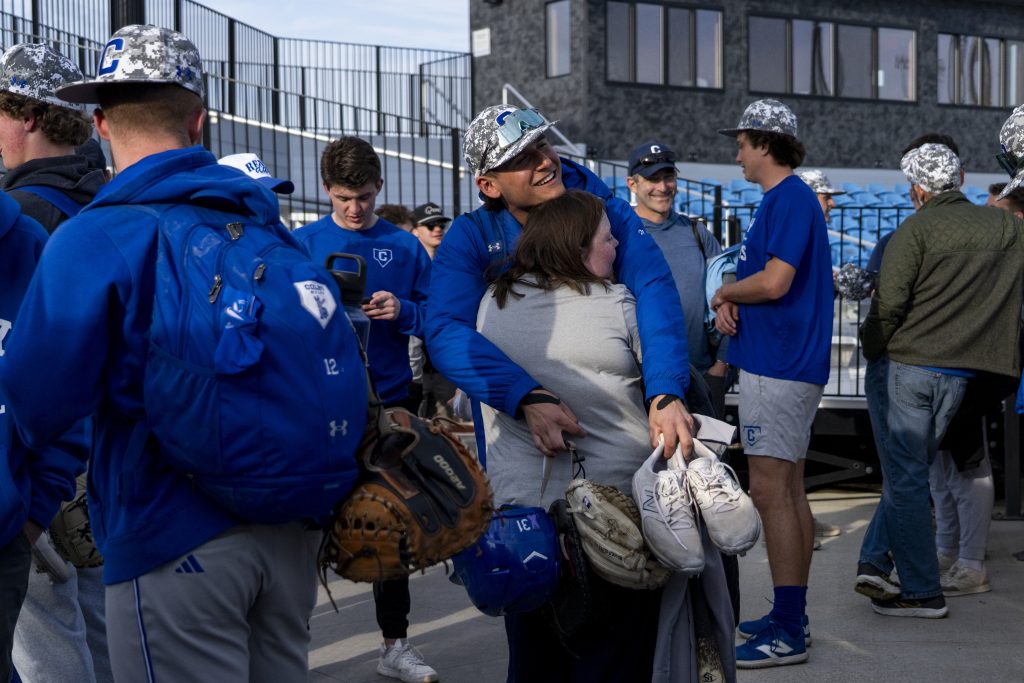
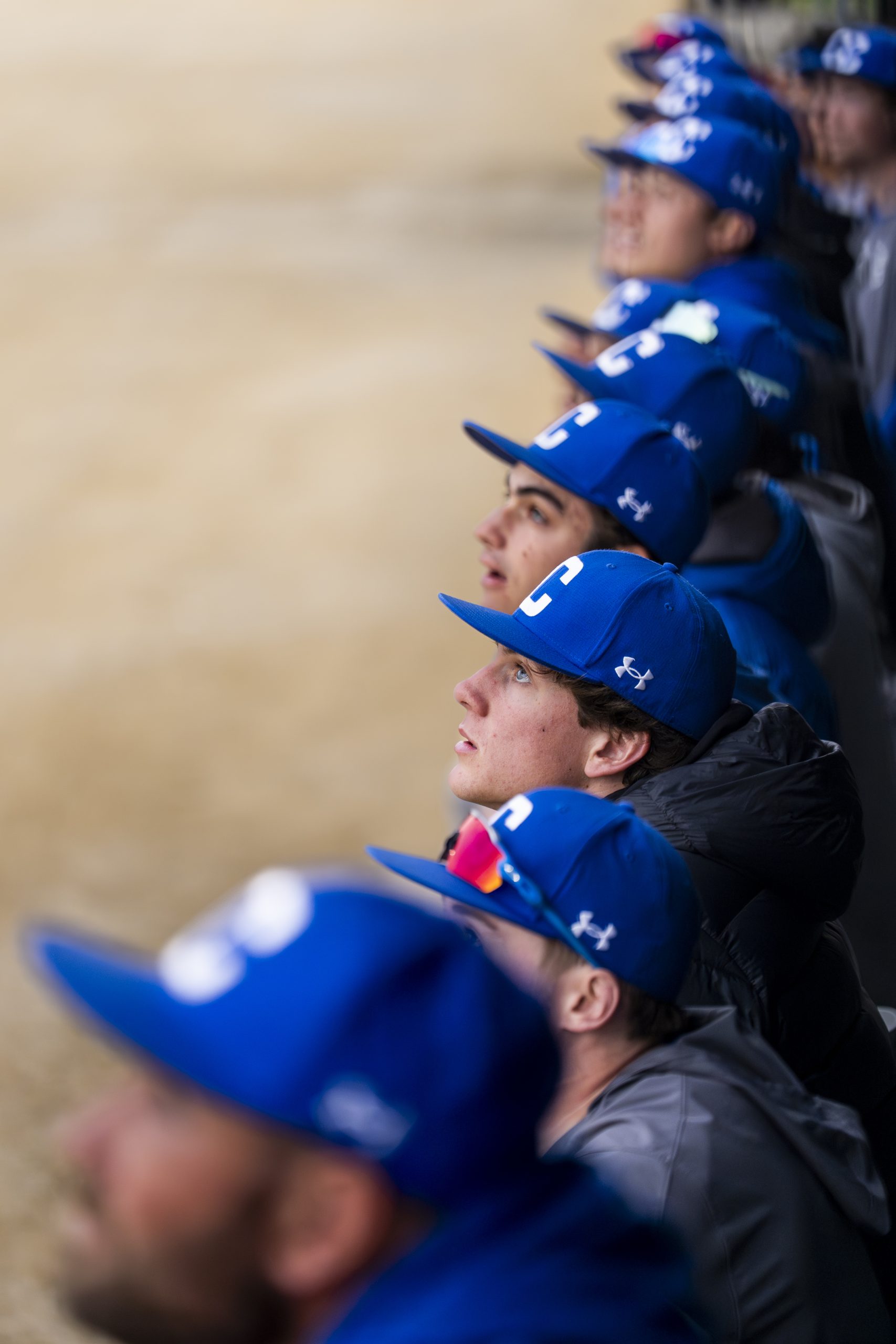
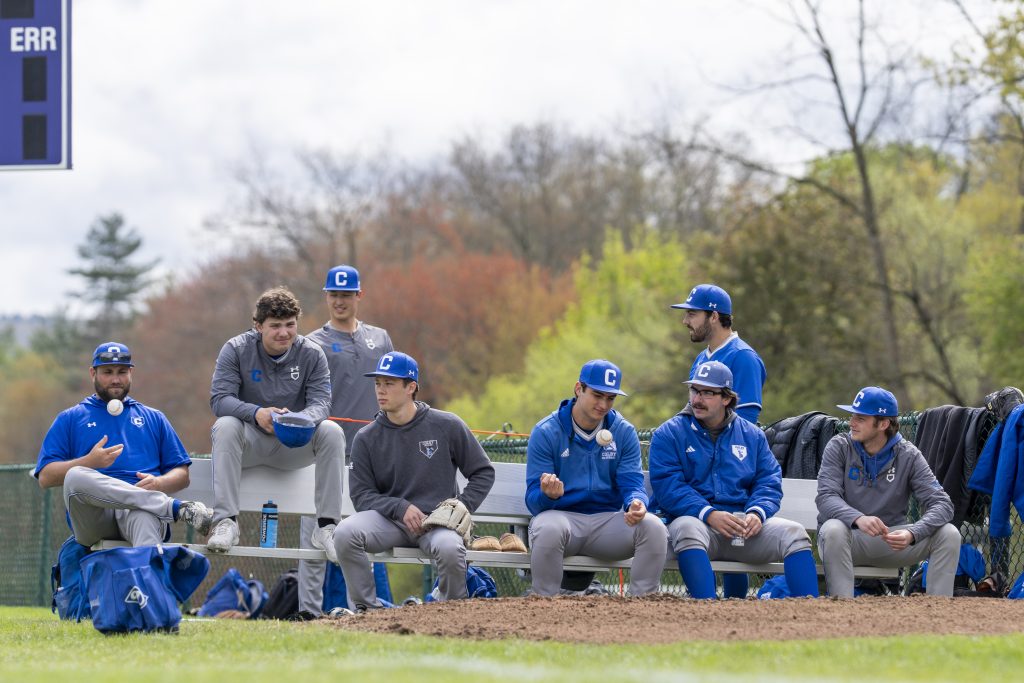
With his coaching philosophy top of mind, Woods told his assembled team to move on from the disappointment of the moment and relish the bonds forged on the field, in the gym, and on the bus. “This is what matters,” he said.
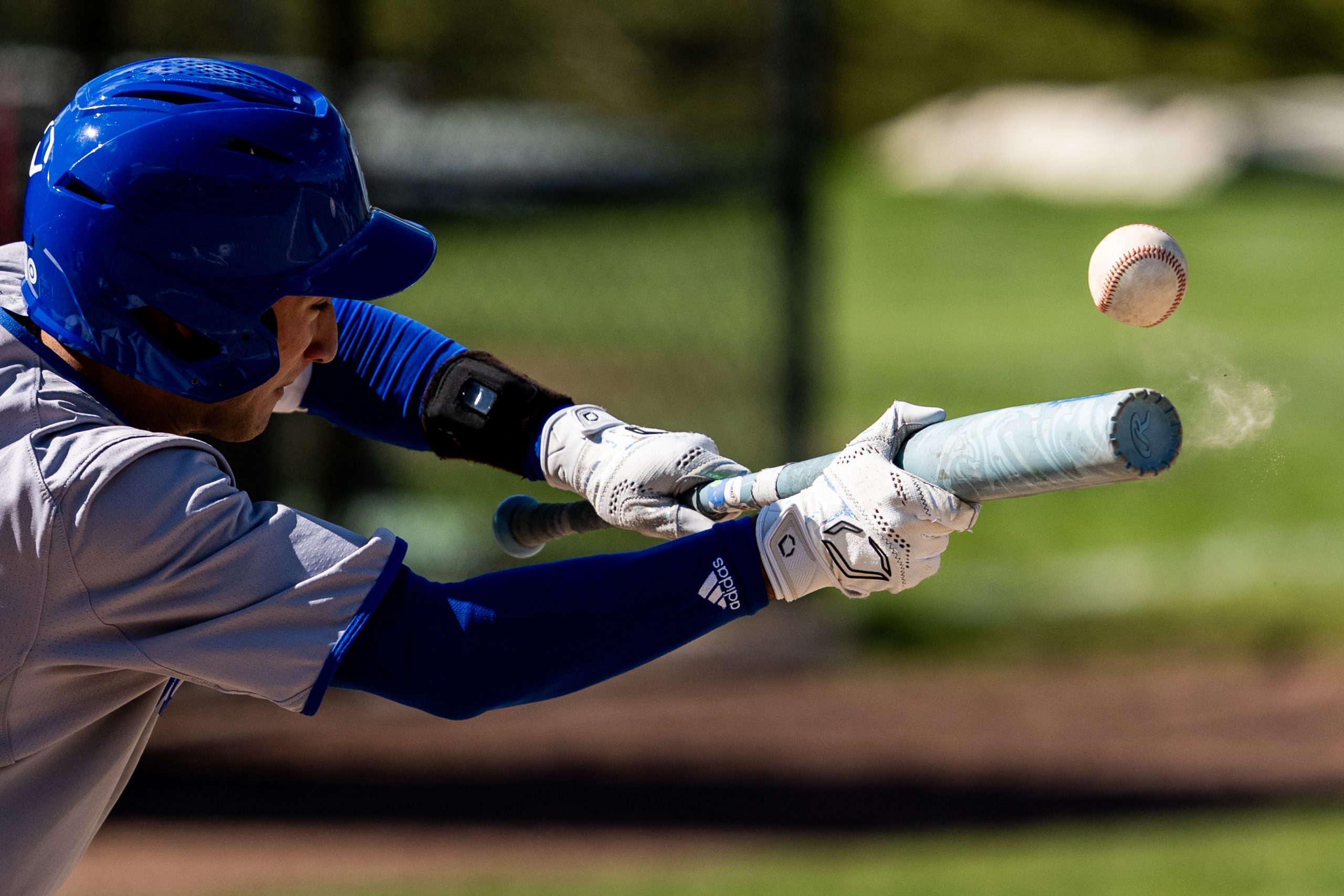
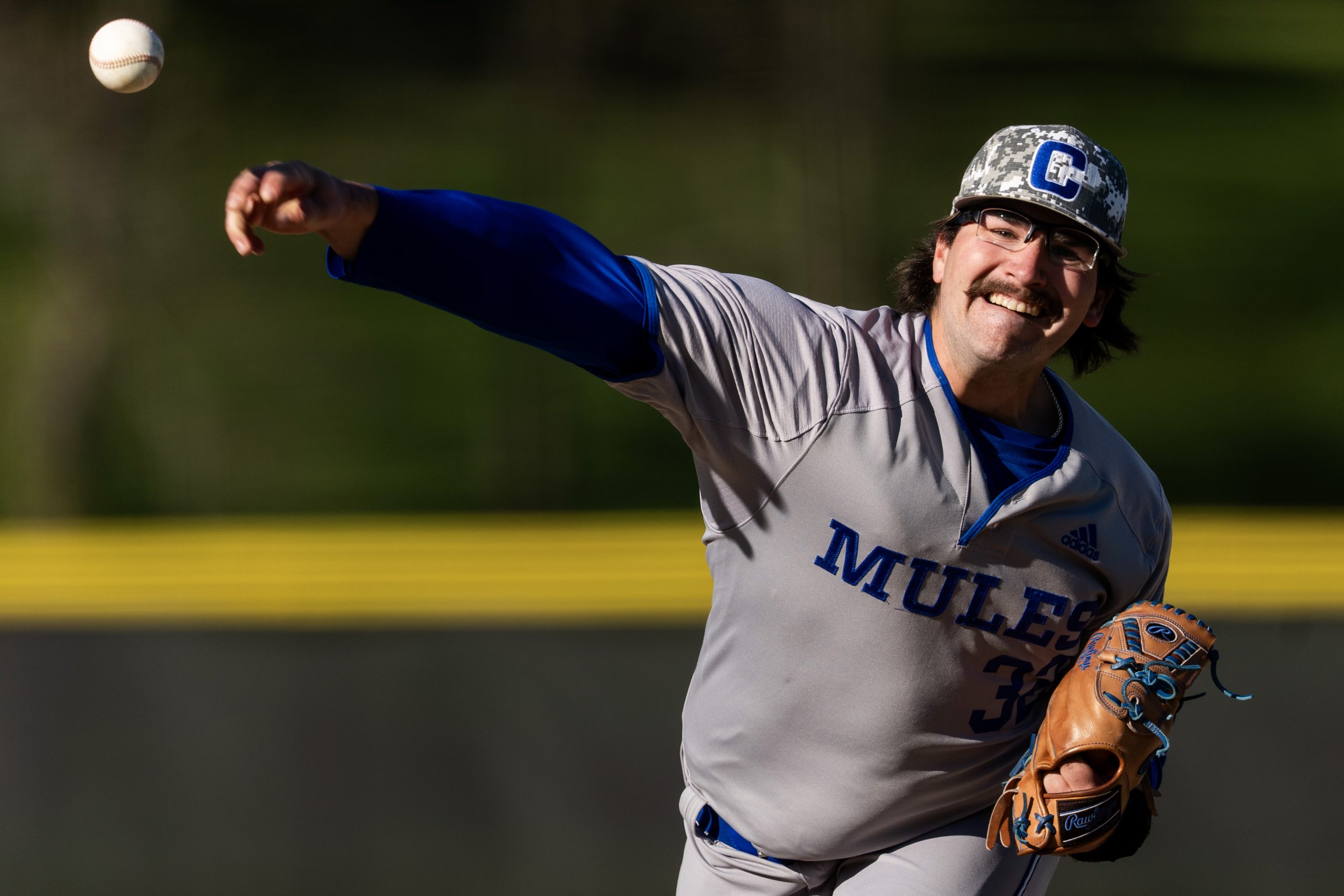
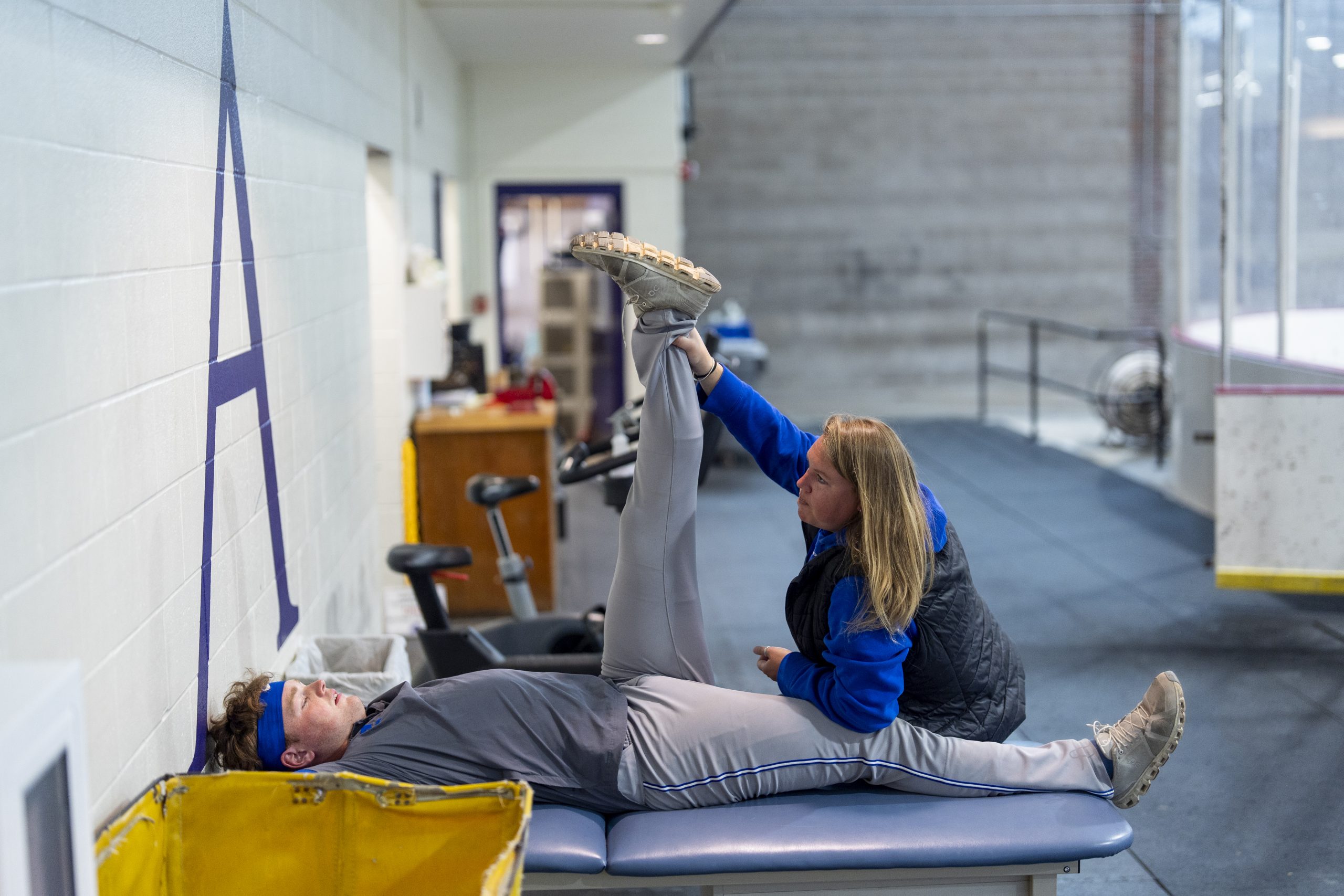
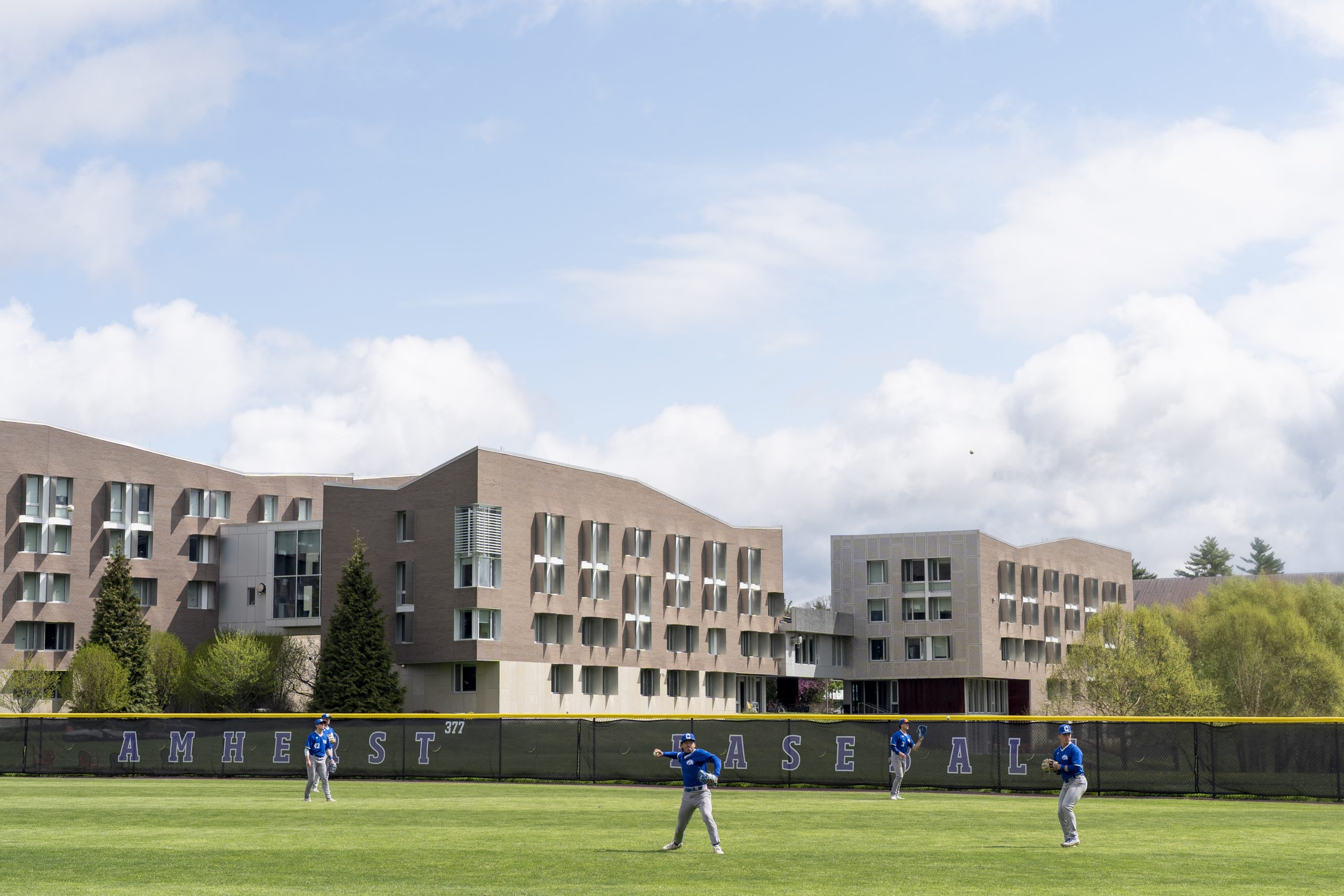
Said O’Brien, “Coach Woods taught me so much off the field that I bring with me on the field. I owe him so much to who I am as a person and as a leader. I’m proud to have written down Colby on my draft forms.”
That’s the legacy Woods will continue to carry well beyond the program’s 150th year.
“As you look through the history of Colby baseball, you can really gain some perspective on how far the program has evolved over the years, and how the opportunities we have are things that these players only dreamed of,” said Woods. “Our teams have continued to elevate the program every year, and there’s been a lot of success with All-Americans and postseason wins, but it’s important for players to know all of the highs and lows that came before us, so we can take it all in and continue to improve.”