Colby College’s Center for Resilience and Economic Impact to Launch on Port Clyde Waterfront
The former general store will be rebuilt as a community space and the home of a new interdisciplinary research center
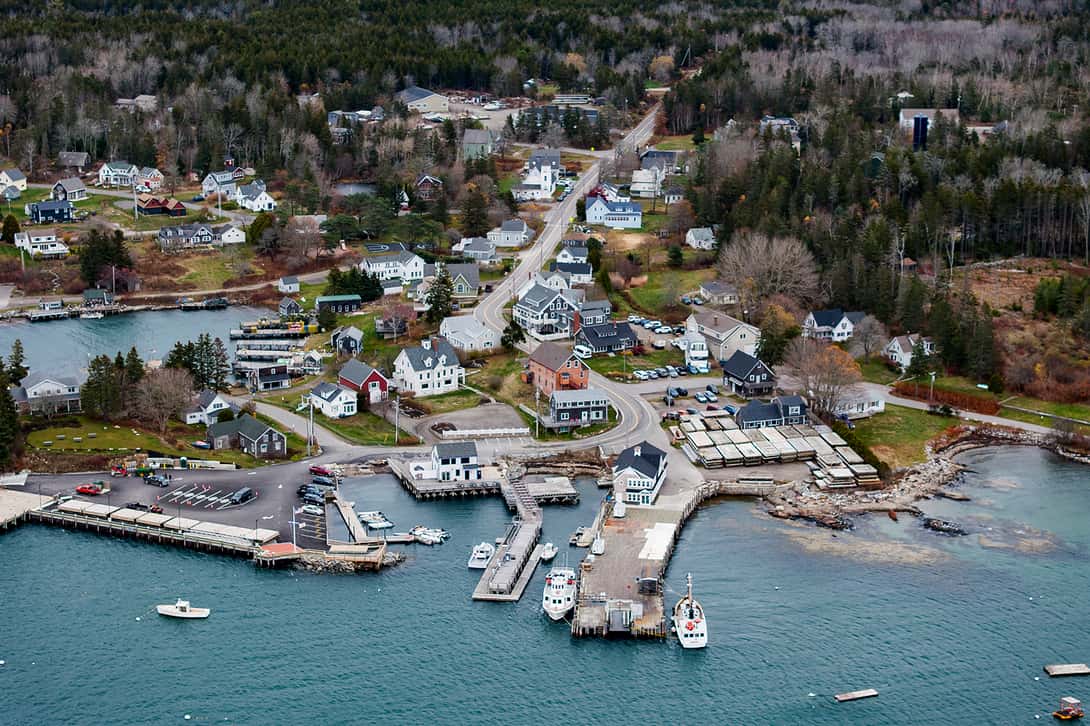
Two years after a devastating fire ripped through downtown Port Clyde in midcoast Maine, Colby College has completed a real estate deal that will help revitalize the community’s historic waterfront and create a home for the College’s new Center for Resilience and Economic Impact.
The interdisciplinary research center, which aims to help Maine communities find innovative ways to adapt in the face of catastrophic events, will serve as a home for educational opportunities, outreach, and community building.
‘We’re thrilled to move to the next phase of this innovative project so we can play a key role as a resource for planning, mitigation, and recovery, all while providing opportunities for our students to engage in this impactful work.’
Provost Denise Bruesewitz
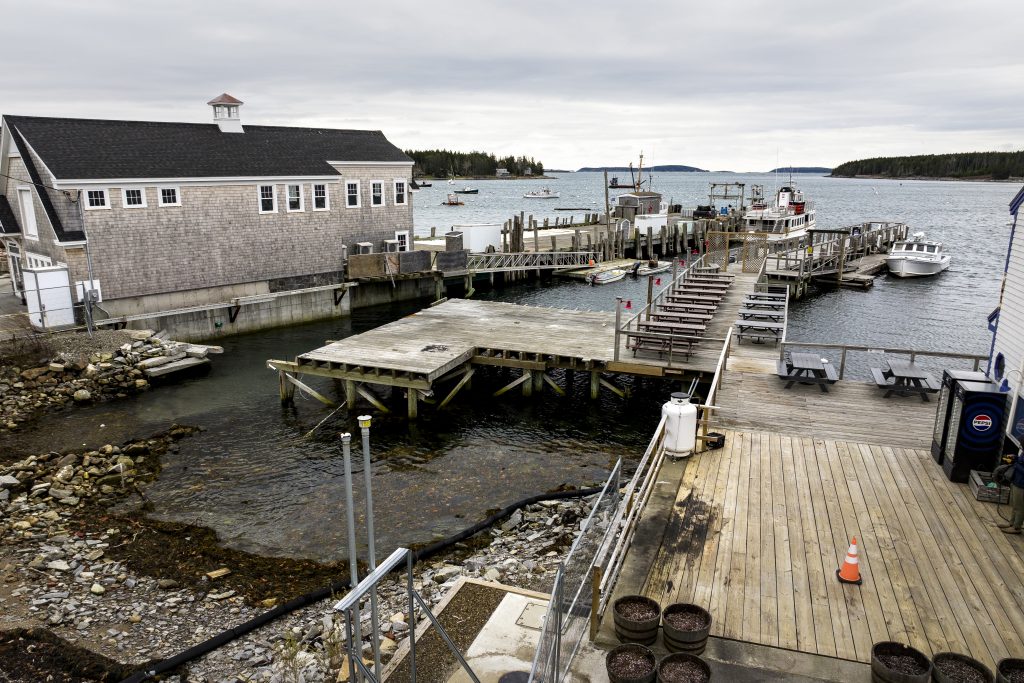
Finalized on Nov. 21, 2025, the transaction includes the purchase of the Seaside Inn, The Barn, the Squid Ink building, and the site of the beloved Port Clyde General Store, which was destroyed by the fire in September 2023. The acquisition of the historic waterfront properties was made possible by a generous donation to the College from longtime Port Clyde residents Dan and Sheryl Tishman.
Colby is partnering with the Tishman’s family foundation, the NorthLight Foundation, to launch the Center for Resilience and Economic Impact, which will begin operations in 2026. The Tishmans formed the NorthLight Foundation to address environmental, land conservation, and community and climate resistance in Maine and around the country.
Provost and Clara C. Piper Professor of Environmental Studies Denise Bruesewitz said the center will advance Colby’s interdisciplinary work, bringing together science, economics, and policy to drive timely projects that are critical to the welfare of all Mainers. “Community efforts in response to adversity must be supported by the collaboration of organizations and people with different areas of expertise who can work alongside communities to find a path to a sustainable future,” she said. “We’re thrilled to move to the next phase of this innovative project so we can play a key role as a resource for planning, mitigation, and recovery, all while providing opportunities for our students to engage in this impactful work.”
As it prepares to launch the Center for Resilience and Economic Impact, the College is committed to Port Clyde’s vision of thriving local businesses and a working waterfront. With the sale completed, Colby’s plans for the properties include:
- Rebuilding a structure on the site of the former general store, which will house a restaurant at the street level and offices of the Center for Resilience and Economic Impact, including gathering and collaborative space open to the community, above;
- Maintaining The Barn, across from the former general store, which has operated as a seasonal bar and community gathering spot;
- Maintaining the Seaside Inn, a 12-room structure built in 1847 for sea captain Samuel Trussell, as housing for scholars and others working at the center and as a home for student researchers who will live and work in Port Clyde.
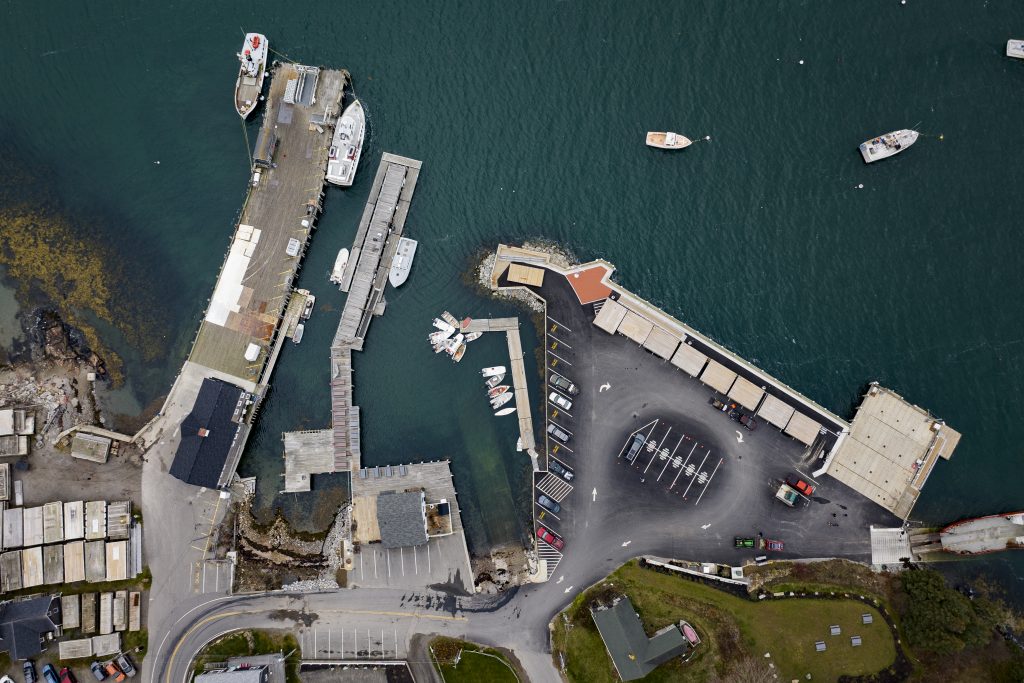
In addition, it is expected that waterfront operations and activity at the Squid Ink building will continue in 2026.
“We’re really excited to see Colby take this next step in making the Center for Resilience and Economic Impact a reality,” said Maggie Drummond-Bahl ’98, executive director of the NorthLight Foundation. “This project has so many benefits, including helping to revitalize the Port Clyde waterfront so it will continue to serve as a hub of community life, and supporting communities and partners around the state in ongoing resilience efforts.”
Interdisciplinary research opportunities
The Center for Resilience and Economic Impact will leverage Colby’s partnerships across Maine with scientists, policymakers, economists, and individuals and organizations directly impacted by environmental, economic, cultural, and public health crises. It will create a hub for collaborations that will synthesize information and build an interdisciplinary research program.
The center will host lectures, workshops, and student research internships, and it will help Colby expand the reach and influence of its ongoing interdisciplinary scholarship on the Island Campus. Allen and Benner islands, which make up the Island Campus, are located in Muscongus Bay and are accessible by boat from Port Clyde. About 2,500 people travel to the island by boat from Port Clyde each year.
Mike Felton, executive director of GRACE Innovation Center in St. George, which aims to bring career and technical education to students as young as kindergarten through 8th grade, said members of the community are pleased the project is moving forward.
“With the new Center for Resilience and Economic Impact in Port Clyde, Colby’s commitment to St. George enters an exciting new chapter, rooted in place and reaching toward possibility,” Felton said. “I’m eager to explore ways to collaborate with the center through the GRACE Innovation Center and the St. George Community Development Corporation. Together, we can expand opportunities for students to gain real-world skills, strengthen pathways to local employment, and help shape a more resilient future for our community.”


