From Science to the Stage
Persistence tells the human story of the PFAS crisis in Maine
Gail Carlson has taught about the serious health effects of PFAS, other toxic chemicals, and the climate crisis for more than 20 years.
She’s done advocacy work in Augusta, published studies, spoken with national media outlets, and even written a textbook, Human Health and the Climate Crisis. But despite those efforts, and the efforts of many others, the risks still aren’t fully recognized, and existing federal regulations are not strong enough to protect people from harm.
“I was feeling really frustrated that we, as a global community, a nation, a state, are just not doing enough,” she said.
Carlson, an associate professor of environmental studies and a biochemist by training, came to believe that especially for non-scientists, learning about people’s lives being turned upside down is more powerful than trying to understand concepts like carbon-fluorine bonds or parts per trillion.
So she decided to reach people in a different way: she wrote a play.
“That ought to move people and motivate people, to my mind,” she said. “I wanted something where there was a real-time human connection to the storytelling. It seems like the theater’s the place to do that, because you’re literally in a room with the audience, and so there’s a moment for deep storytelling and the potential for kind of a deeper engagement.”
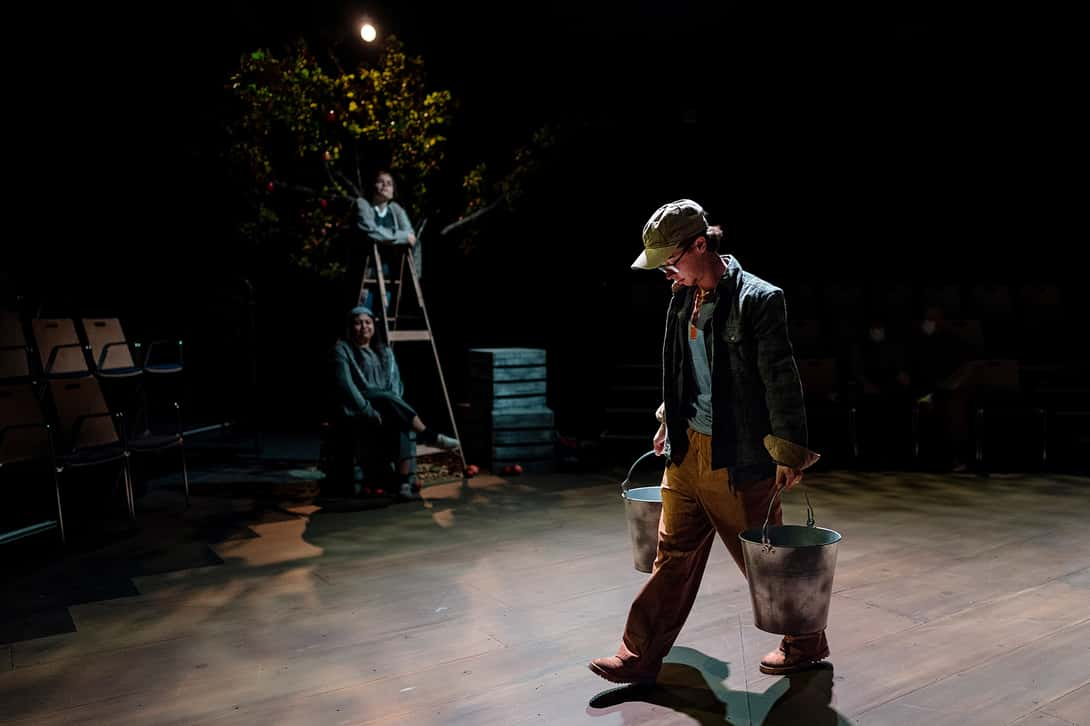
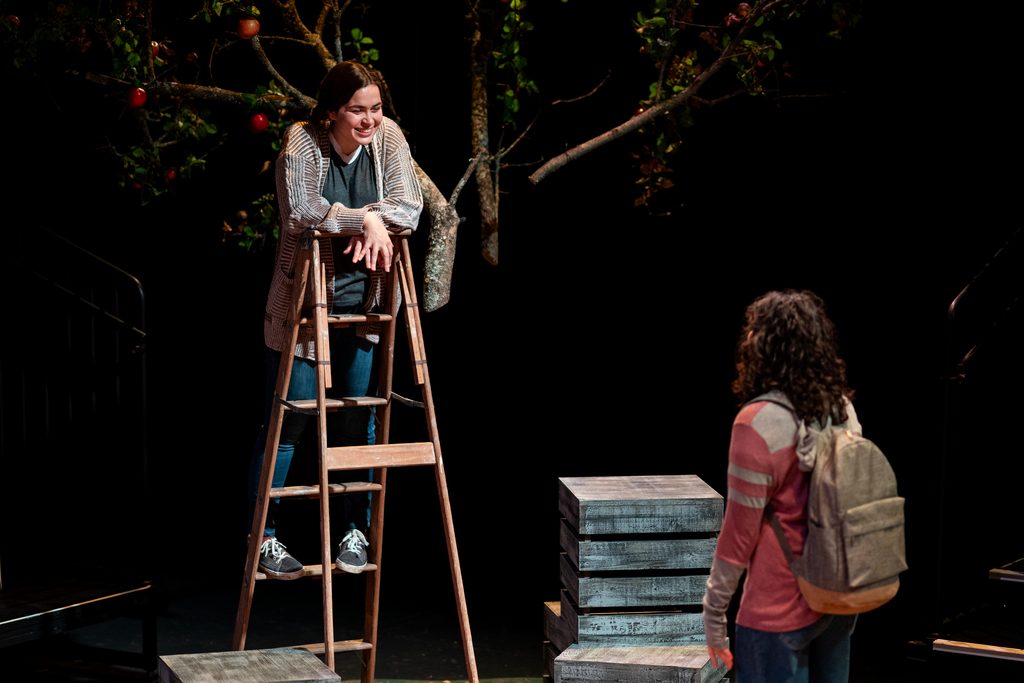
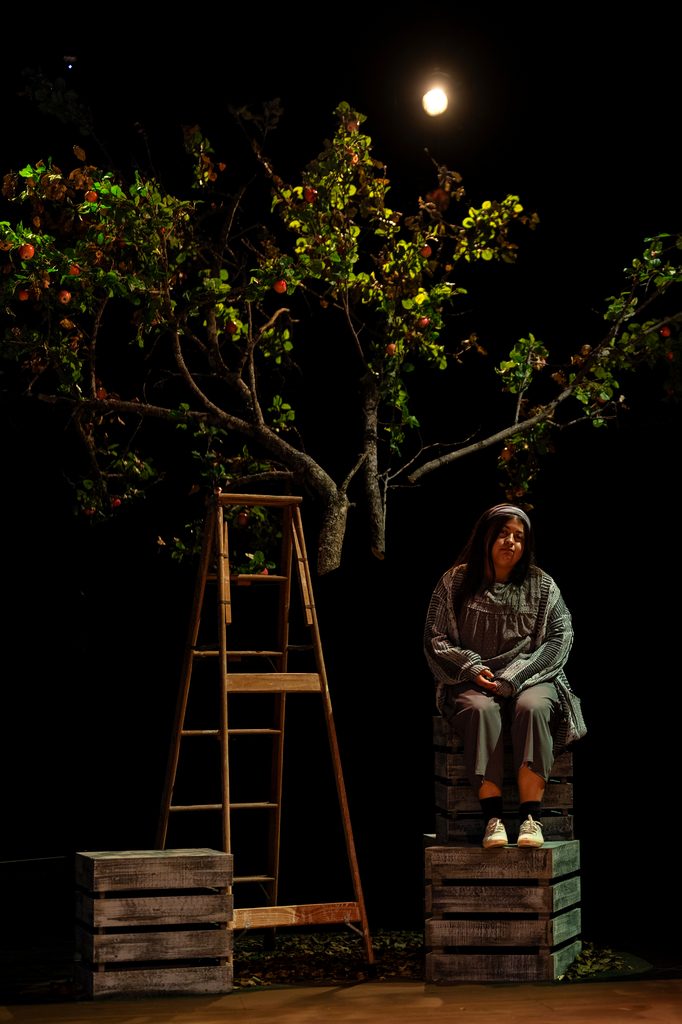
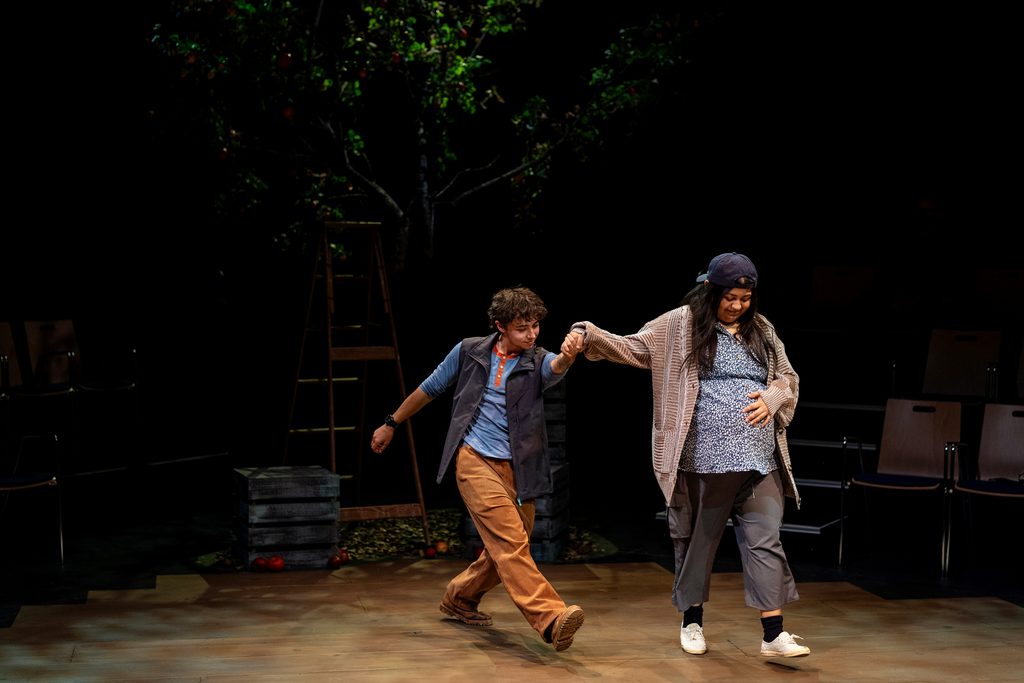
Carlson’s play, Persistence, premieres this weekend in Studio 2 at the Gordon Center for Creative and Performing Arts. Bess Welden, senior lecturer of performance, theater, and dance, is the play’s director and also the dramaturg—literary advisor, researcher, and structural editor—a role that is especially important in a new play. A cast of 10 Colby students will act in the play, with other students serving as stage manager, assistant stage manager, assistant director, and technical crew.
Persistence is part of a tradition of advocacy theater: plays with deeper significance than just entertainment. The family tragedy will be staged in an intimate space that places the audience very close to the actors, creating a powerful proximity.
“As we talk about theater as embodied storytelling, it just allows people to enter into a story in a way that reading a text or watching a film or listening to a lecture can’t,” Welden said. “It activates our imaginations in different ways, and also hopefully makes a connection with people that allows them the opportunity to find more of an emotional investment in the characters and what’s unfolding in the story.”
A tragic catalyst
There’s plenty of scope for emotional investment in the play.
Through Carlson’s advocacy work, she met Maine farmers affected by PFAS, which are chemicals that don’t break down easily in the environment or the human body. They were widely used in industry beginning in the 1940s, but their utility hid a dark side, with science linking them to increased cancer risk, liver disease, low birth weight, and other grave health concerns.
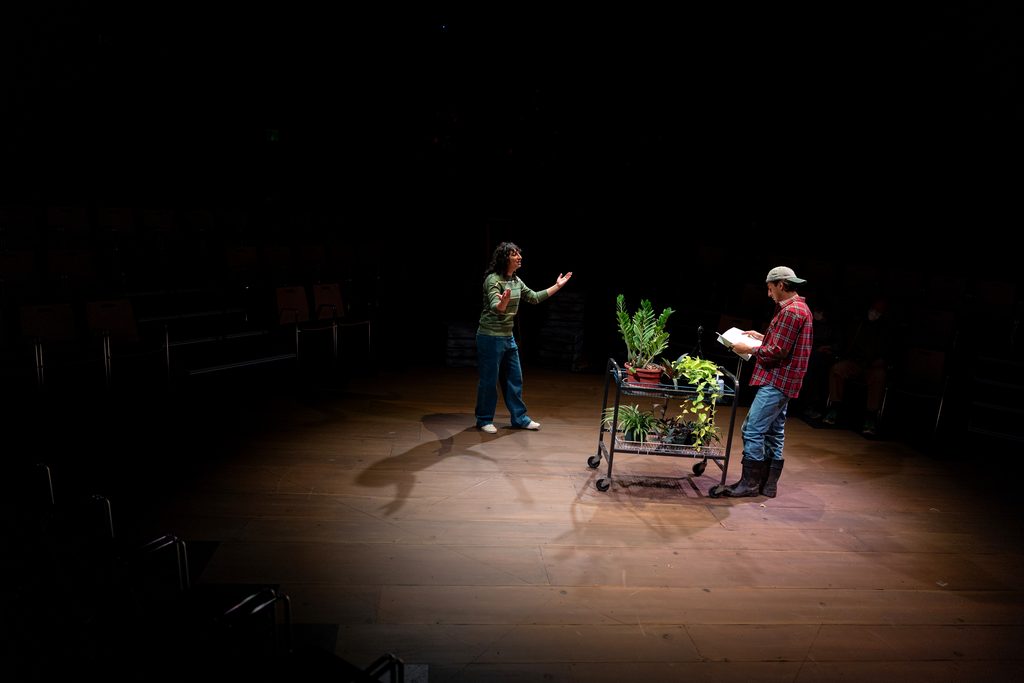
Because of their durability, or persistence, they’ve been dubbed “forever chemicals.” Maine has found high levels of PFAS contamination in soil and groundwater because, starting in the 1980s, it was common here and in other states to spread sludge from wastewater treatment facilities and paper mills over farmland as fertilizer. At the time, farmers did not realize that the practice would contaminate their land.
Two of the farmers who learned their land was contaminated had bought their farm from someone Carlson knew: Tim Christensen, a much-loved instructor in Colby’s Biology Department and a good friend who cherished his organic farm in Unity.
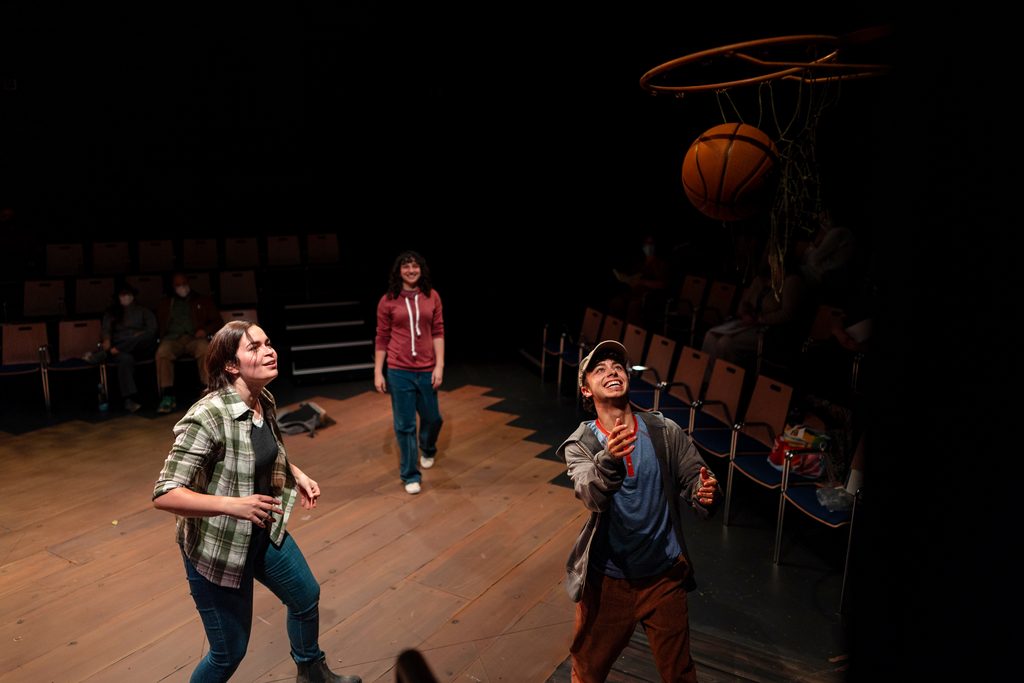
“He was an absolutely lovely person, and one day in 2014, he just disappeared,” she said.
Christensen was diagnosed with a fast-moving cancer. He sold his farm, got his things in order, and moved to Idaho, where he died at his son’s house. It was tragic. A few years later, when Carlson realized Christensen’s farm had been contaminated with PFAS, likely through sludge application in the 1990s, the tragedy became an urgent call to action.
‘A genuine interdisciplinary collaboration’
In the summer of 2023, Carlson hired Charlotte Torrey ’26, an environmental policy and chemistry double major, to help her interview farmers in central Maine.
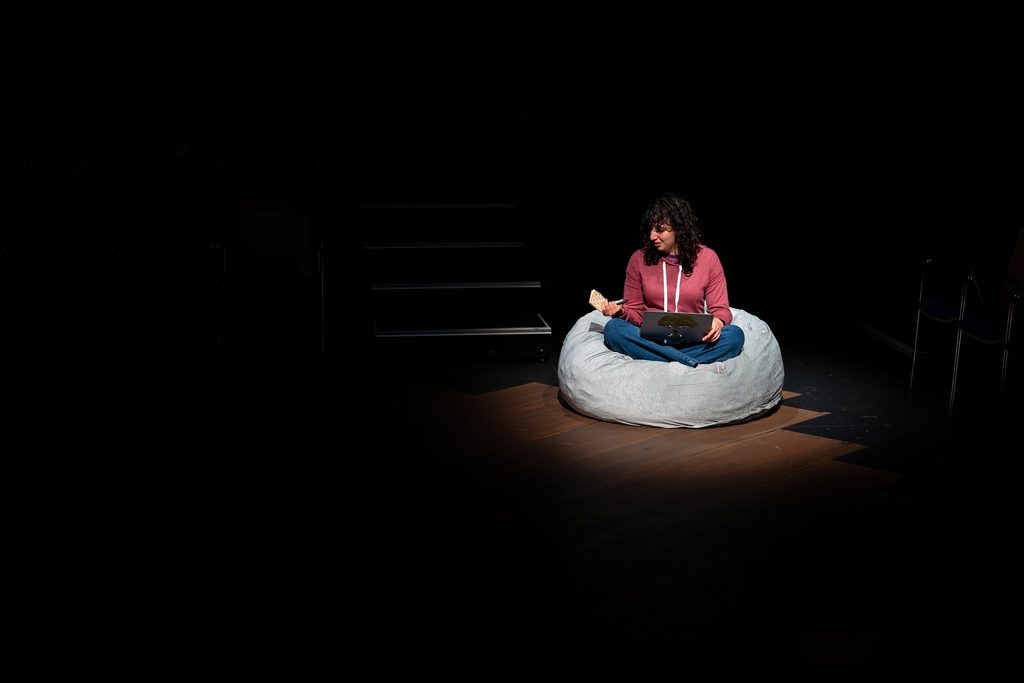
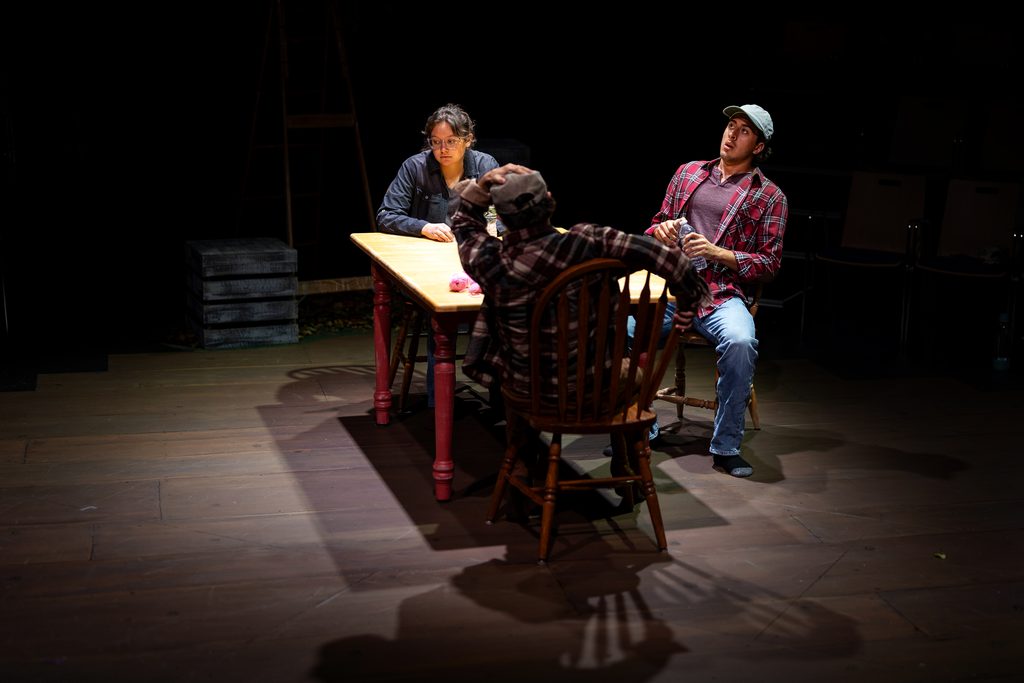
Five farmers were willing to talk, and during 90-minute interviews, they described their shock and heartbreak upon learning that the land they loved might be poisoning them. Some recounted how the realization upended their lives, and described how they moved away or became PFAS activists. Others searched for ways to continue farming as usual. And of course, the realization that one person who had lived on the toxic land died suddenly, and soon, hung over the conversations like a pall.
With the farmers’ permission, Carlson and Torrey mixed up and fictionalized the interviews, and Torrey wrote the first draft of the play that would become Persistence. The central story was about Farmer Dan and his family, but Tim Christensen is at the emotional heart of the play.
After that, Carlson continued working on the play, which she wanted to feel true to the real stories of the farmers, even though the individual characters are fictionalized. In 2025, she asked Welden if they could work on the play together, and this past summer Carlson participated in a playwriting residency on Maine’s North Haven Island.
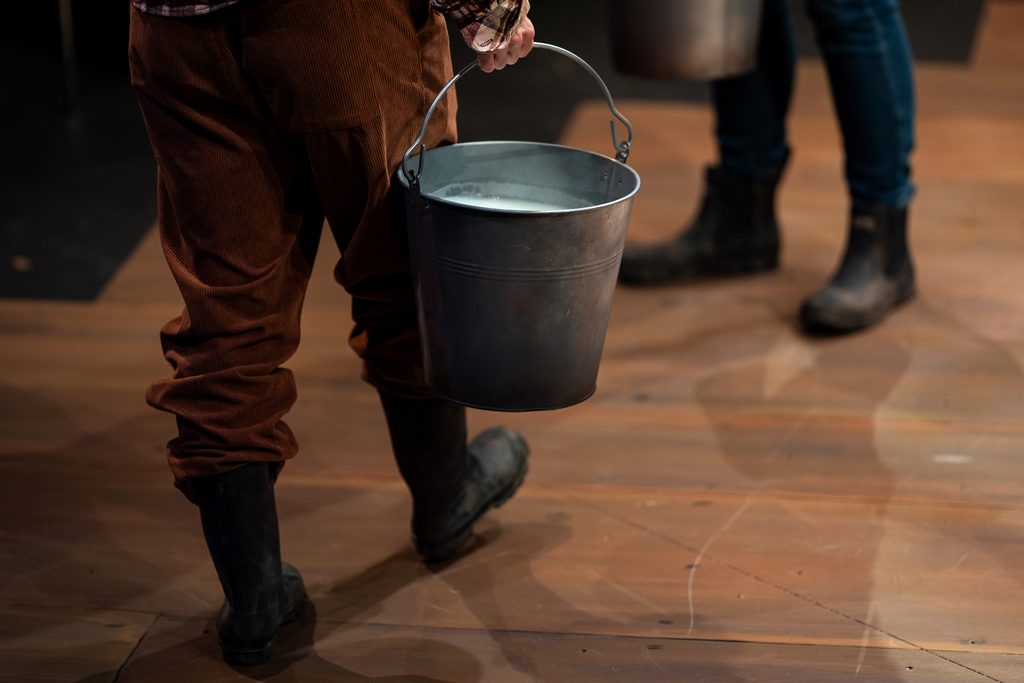
For her part, Welden, a playwright and dramaturg, was intrigued by Carlson’s invitation. It was the first time a professor from a different department had asked her to collaborate on an original play. As they worked together, the two faculty members became good friends, and their words sometimes tumble over each other as they describe what the process has meant to them.
“This is a genuine interdisciplinary collaboration,” Welden said, marveling at how Carlson has embedded herself in the rehearsals. “Gail’s also doing all of this informal education that’s unfolding during the rehearsal process because questions are coming up, and she’s able to give an expert understanding even beyond the scope of the specific things that are relevant to the play, a sort of layered, in-the-moment learning.”
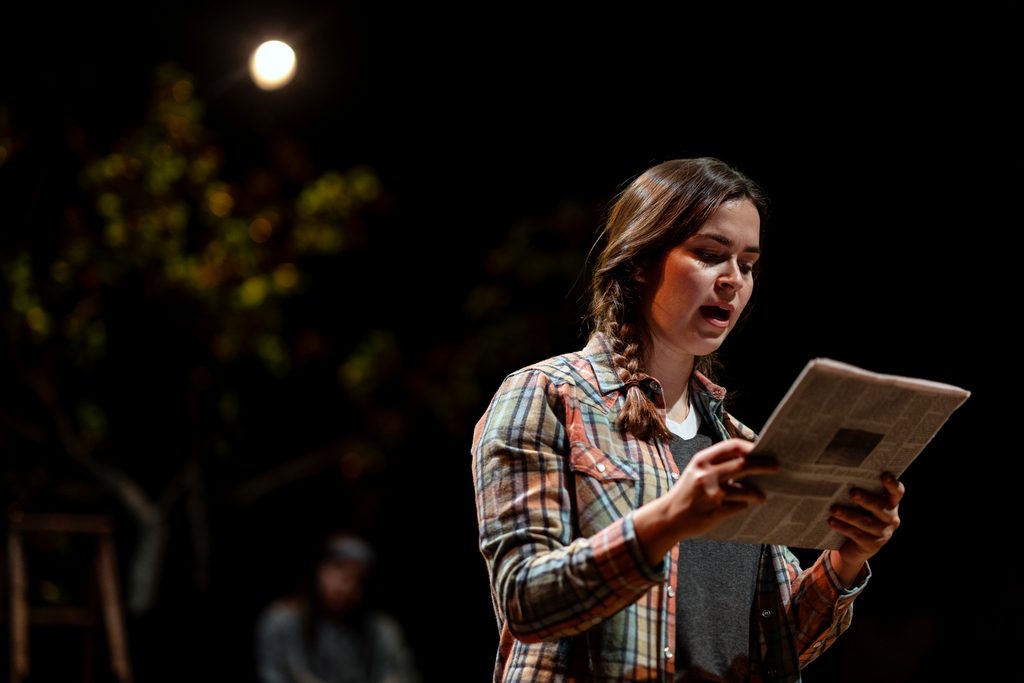
Finding what moves people
In environmental studies, people often emphasize the importance of communicating science. But doing so in a way that non-scientists can understand takes consideration and effort, Carlson said.
“You’ve got to take your lab coat off, take your goggles off, and think about what moves people.”
With Persistence, she hopes she’s accomplished that, and that audience members react emotionally, and perhaps become motivated to learn more, discover how they can keep their own communities safe, and even engage in the policymaking process.
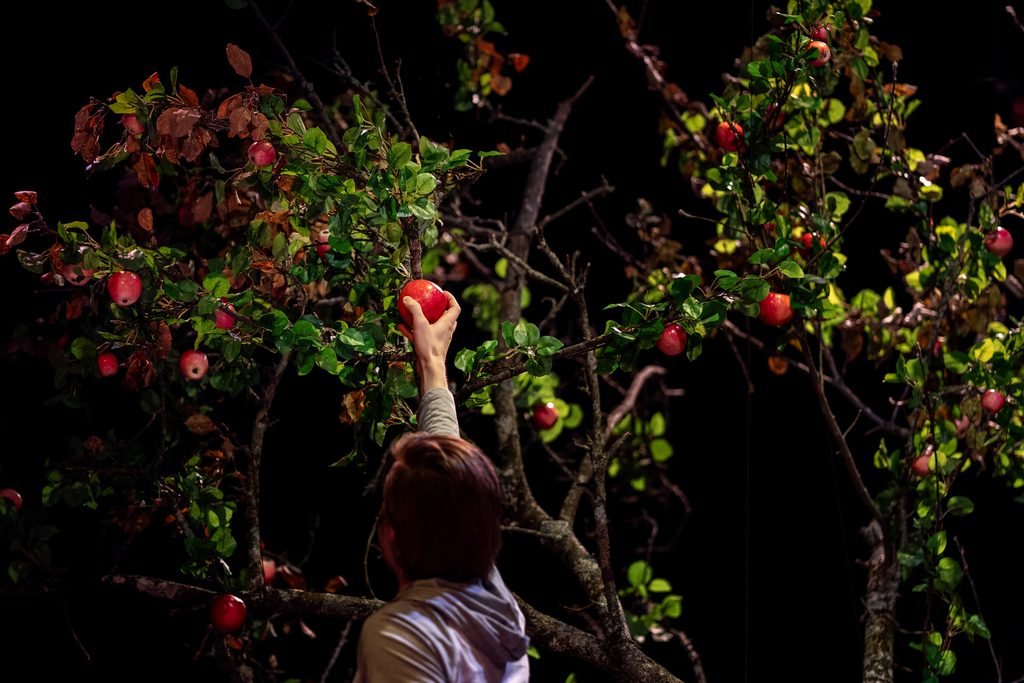
That might happen, or it might not, Welden said, adding that playwrights and actors can’t predict or be responsible for the audience’s reaction. Then again, neither can scientists who testify about their research or publish their findings in peer-reviewed journals predict how the public will receive their work.
“All we can do is tell the story as truthfully as we possibly can,” Welden said. “But I think Gail has written something that’s very honest, and is clearly based on the real stories of real people. I think that comes through.”