Little Shop at Colby
A "fast and furious" Jan Plan musical brought 40 students together to sing, dance, act, and learn how to produce a show
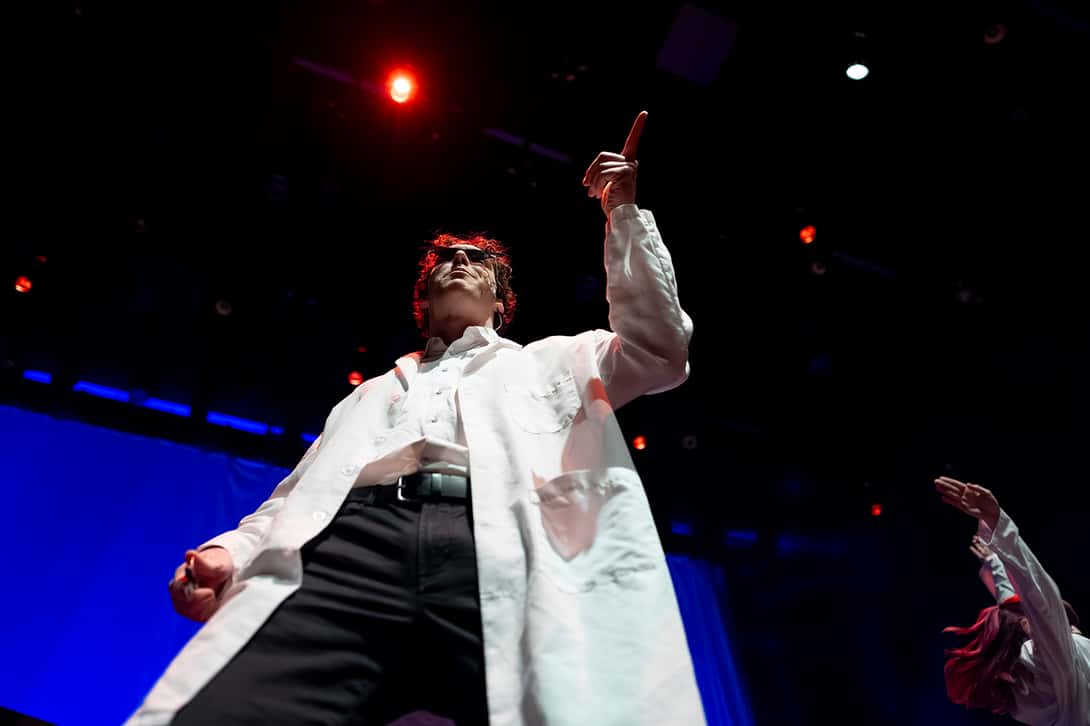
Just one week before the opening night of the cult classic musical Little Shop of Horrors, a vibrant version of an urban skid row was quickly taking shape in Studio 2 at the Gordon Center for Creative and Performing Arts.
Actors and dancers ran through their scenes and songs, student musicians practiced the score, and stagehands put finishing touches on the set. The rehearsal was noisy, exuberant, and ever-so-slightly chaotic—and project leader Maura McGraw ’26, a music and economics double major, was in her element.
“I just feel very lucky and fortunate to have a really good group of people who are all willing to work towards one goal,” she said.
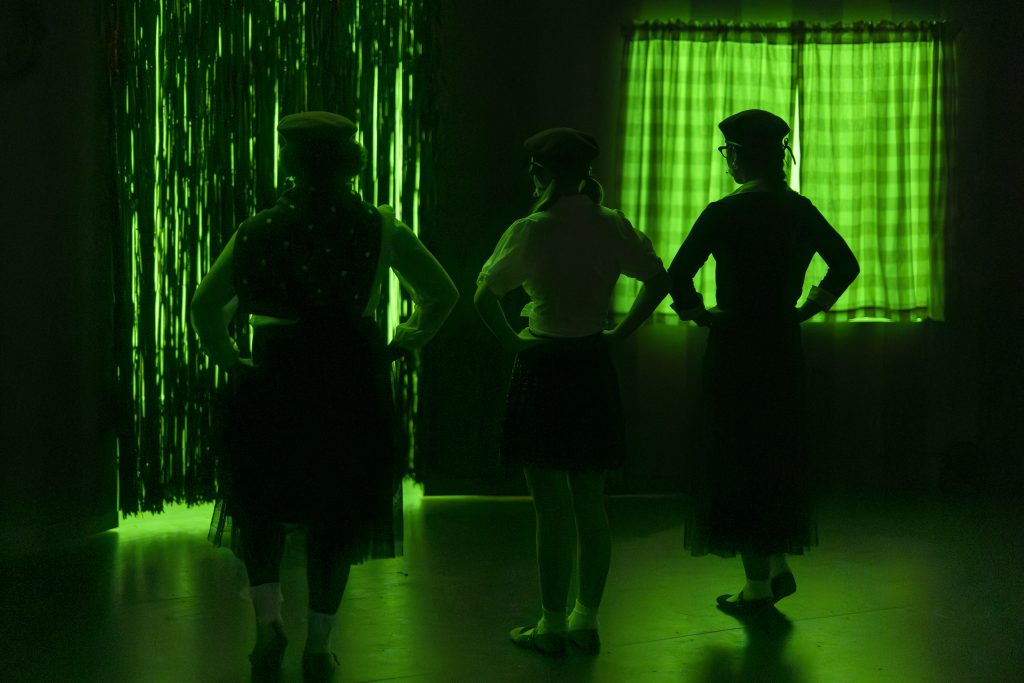
There’s no doubt that particular goal was a very big one. Musicals have many different moving parts, but McGraw, the guiding force behind the show, didn’t let that dissuade her. This winter’s student-run production of Little Shop of Horrors came together over the course of a whirlwind Jan Plan with the support of the Lyons Arts Lab and the time and talent of more than 40 students.
The students shone in the horror-comedy musical about a flower shop worker who discovers a man-eating plant.
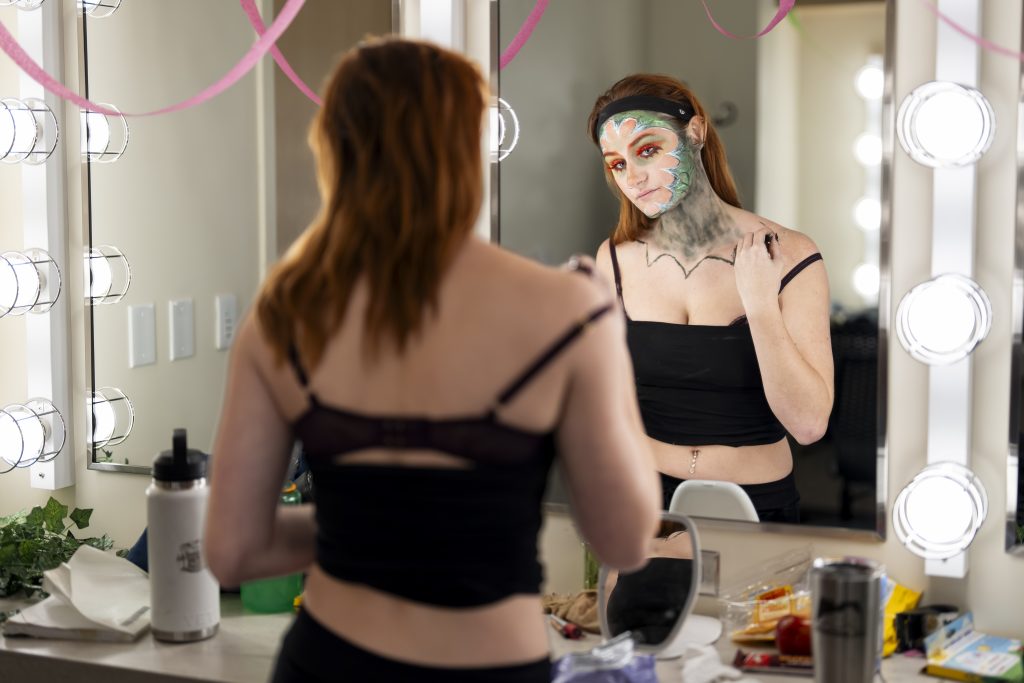
“We have so many people who are really passionate, really invested, and really excited,” said McGraw. “It’s just crazy the amount of work people are putting into it.”
The Lyons Arts Lab, created to inspire, celebrate, and elevate student work in the arts, is able to support students at multiple stages of a creative process, from an idea’s inception to a project’s completion.

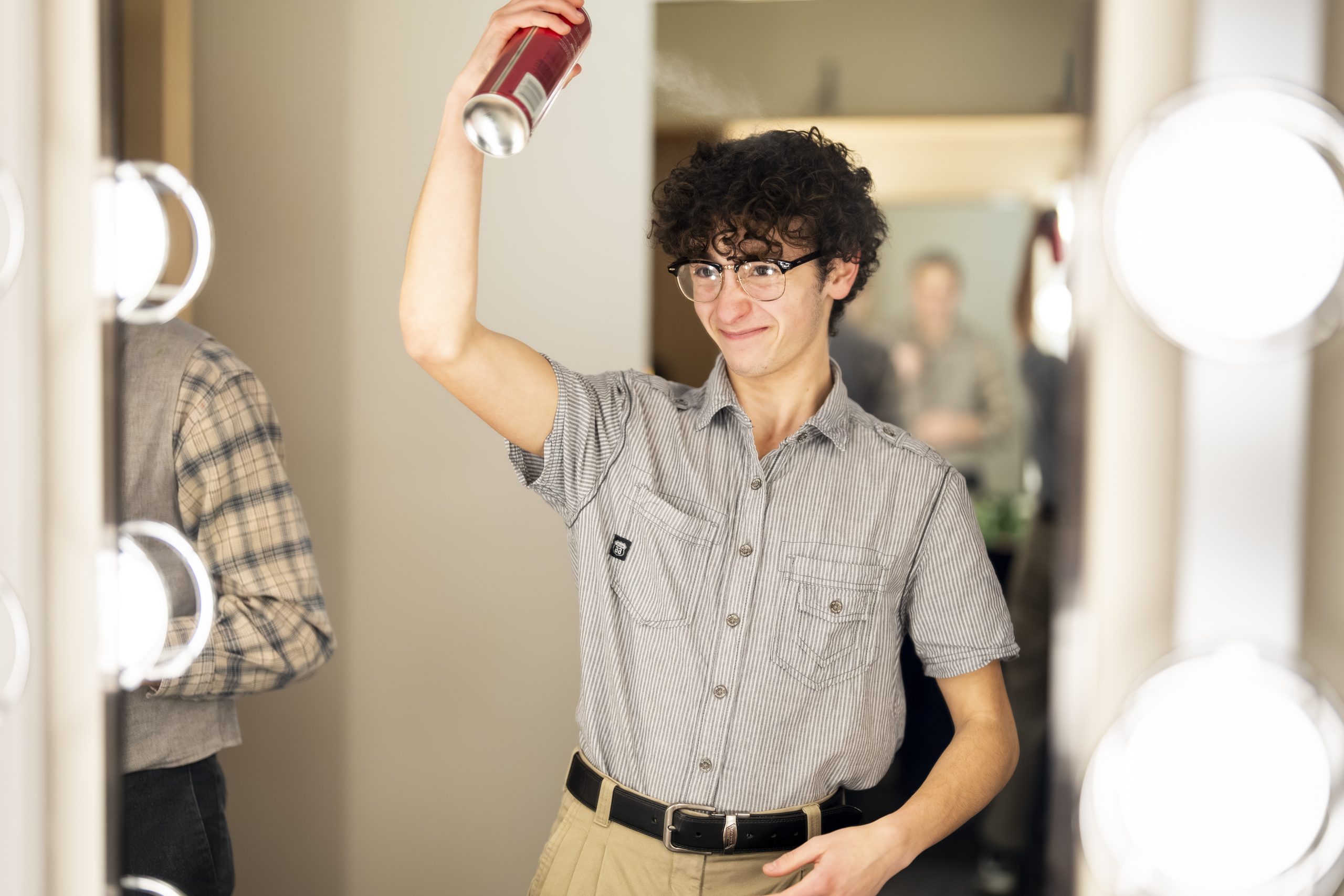
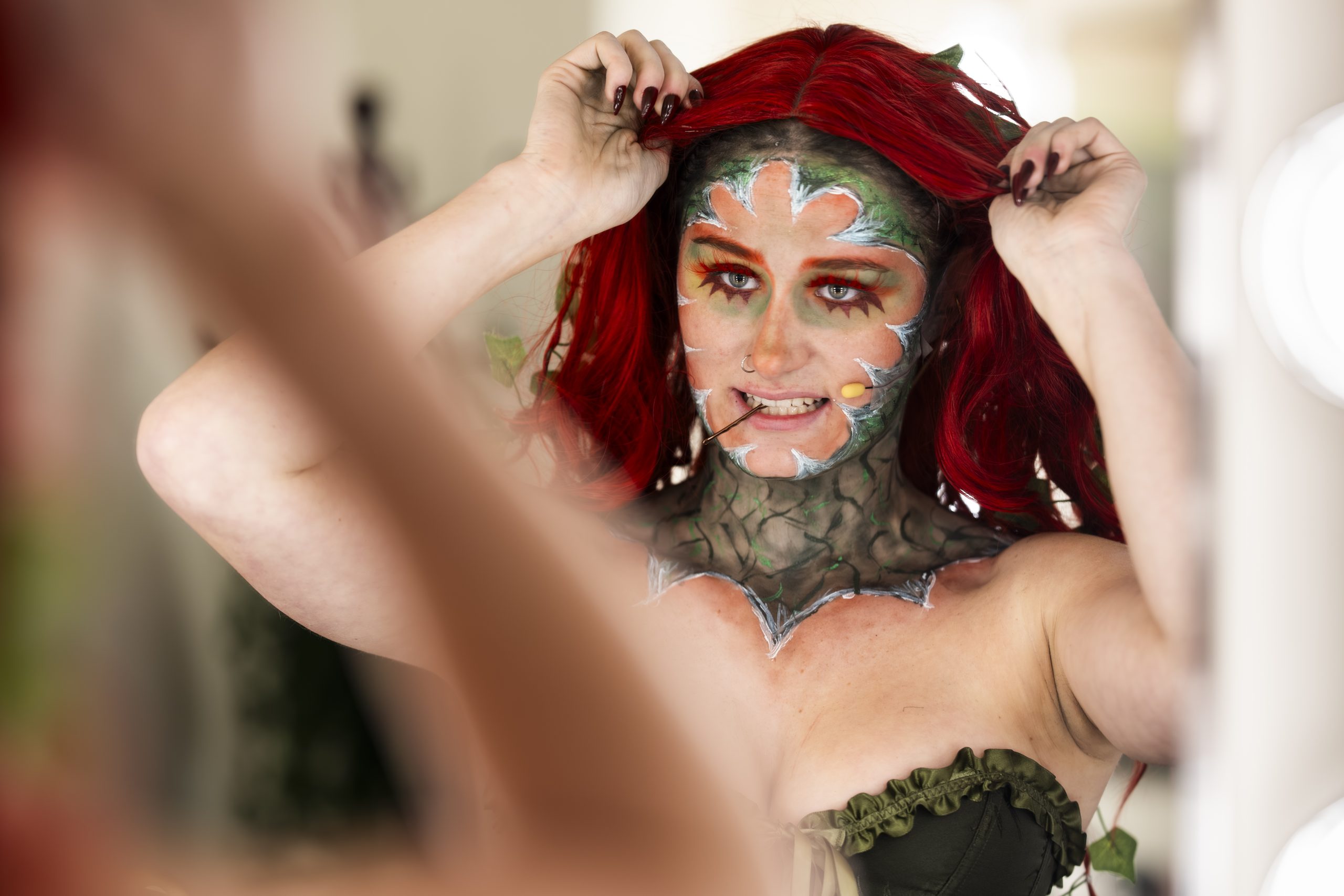
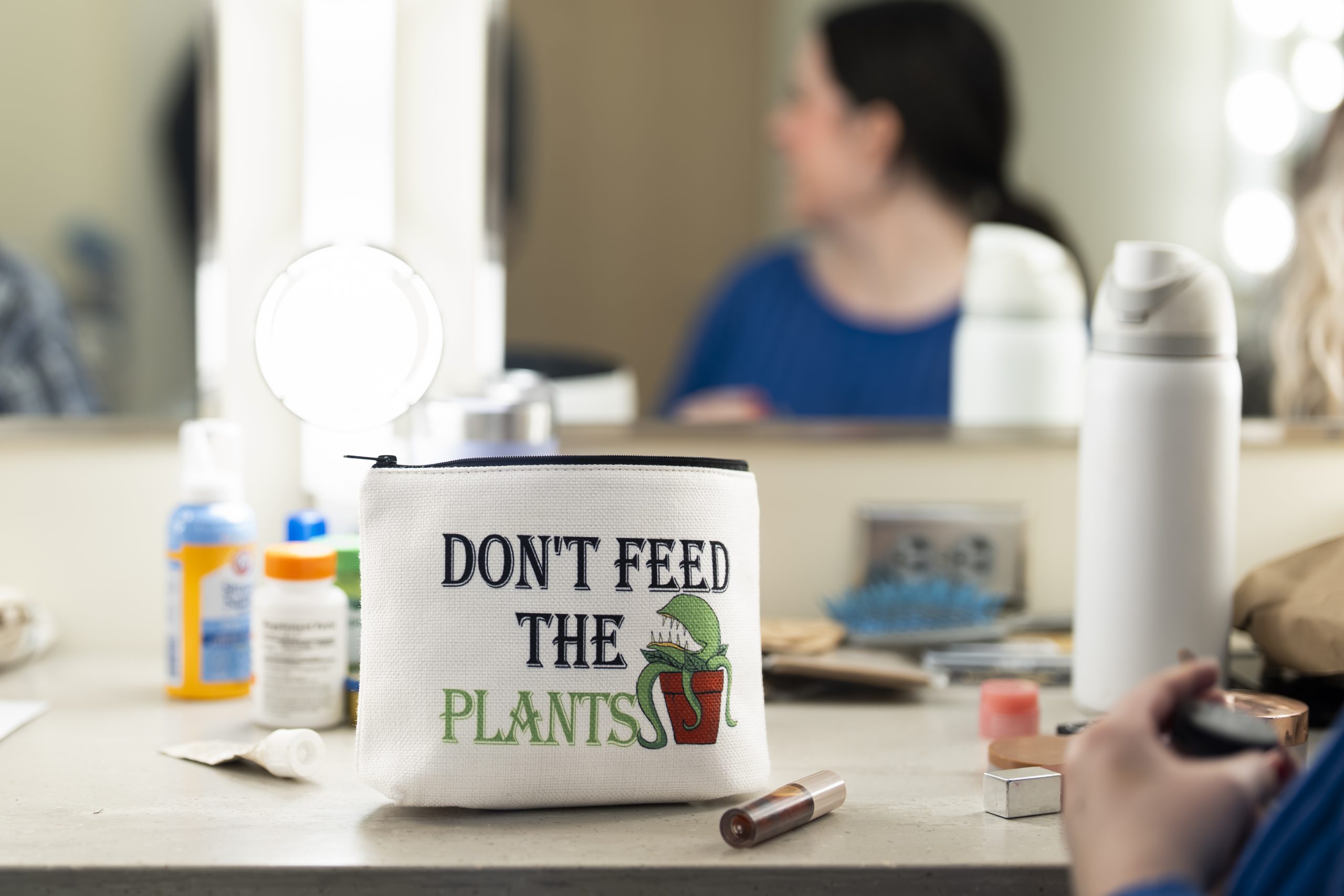
Last year, McGraw came to Annie Kloppenberg, professor of performance, theater, and dance and director of the Lyons Arts Lab, with her idea to produce a musical with the lab’s help. The student has been deeply involved with performing arts at Colby since her first semester, and because of her steadfast commitment to music and performance, and the strength of her work in the past, Kloppenberg agreed.
“We decided to support her leading what turned out to be a very large group of students,” Kloppenberg said. “Projects that bring together so many student collaborators around the creation of something new are really exciting.”
Kloppenberg and McGraw considered different models, including staging it over the course of a semester or choosing a shorter musical, but ultimately, McGraw decided that Jan Plan was the right time, and the darkly comic Little Shop of Horrors, with its toe-tapping tunes, was the right show.
“It’s fun, and fun is the best motivator,” said Lee Trombly ’26, an American studies major who contributed to the project’s management and design.
A tight timeline
The tight production timeline was a heavy lift.
“It was a fast and furious process, but I think it gives them the chance to dive into a kind of work that they really love,” Kloppenberg said. “I think it’s really exciting for the students to feel like they’re at the helm. And when there are bumps in the road, they have to encounter problems and figure out their own way through. That’s a really important part of the learning process.”
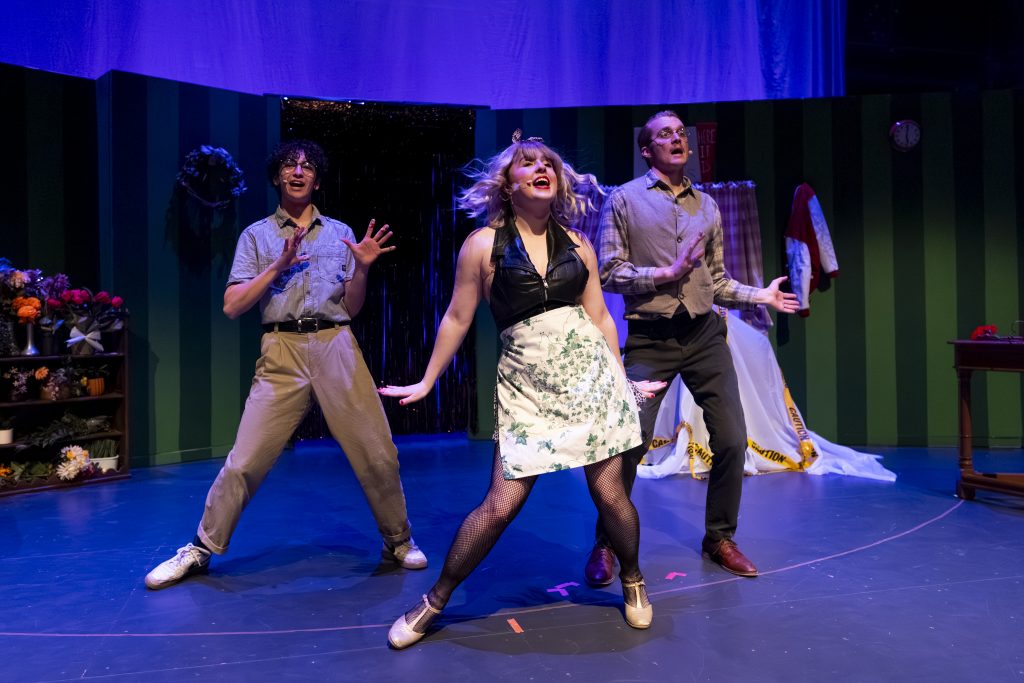
In some ways, the work began in the fall semester. That’s when McGraw and Liz Echt ’28, a music and psychology double major who served as director and music director, surveyed students to gauge their interest in being part of a musical. They were happy to learn that lots of people were ready to act, dance, sing, and more.
“I think we lucked out this year, and we have so many people who are really talented and who wanted to put in the work,” McGraw said.
There were so many, in fact, that they found ways to expand the cast. Little Shop of Horrors features an antagonist called Audrey II, a mysterious plant that, it turns out, needs human blood to survive and grow.
In most productions and in the 1986 movie, Audrey II is portrayed by a series of puppets. But in the Colby production, the students envisioned something different: an Audrey II played at first by a green-costumed dancer, and as it grew, more and more dancers joined in to create a writhing, ravenously hungry, alien plant.
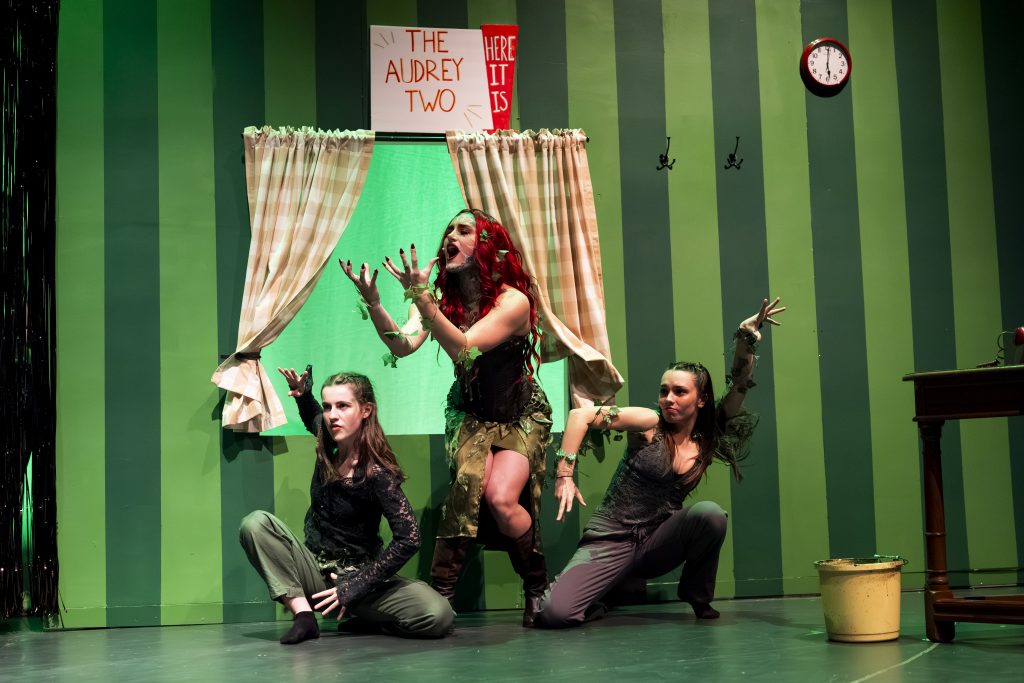
Fostering that kind of creativity—an ability to not just mimic what’s always been done but to find new ways to consider and connect with the work—is one of the goals of the Lyons Arts Lab.
“The musical genre offers a vehicle for building connections in communities through song and performance, and I think that’s a really beautiful thing, and yet it can sometimes become rather formulaic,” Kloppenberg said. “But the things that transform the field or win awards are the things that are unpredictable, and unexpected, and spectacular.”
As students worked on the project, they benefited from the generous support of Colby faculty and staff, including Tina Steeves, music operations manager; Emmalouise St. Amand, assistant professor of music; Jake Hickey, manager of building operations for the Arts Office; Marjorie Gallant, associate director of operations for the Gordon Center for Creative and Performing Arts; Gary McCrumb, assistant director of production for the Arts Office; John Ervin, technical director for performance, theater, and dance; and Michelle Handley, costume shop manager for performance, theater, and dance.
“Without their support, [the show] couldn’t have happened,” Kloppenberg said.
Students also had the opportunity to learn from professionals as they worked on the show with a model that Kloppenberg is calling “embedded mentorship.” They included director and choreographer Sara Gibbons ’15; St. Amand; professional percussionist Mark Fredericks; director Ashley Munroe; conductor and musical theater director John Eldridge; and Regina Gibson, a professional actor who coached students to help them deepen their characters.
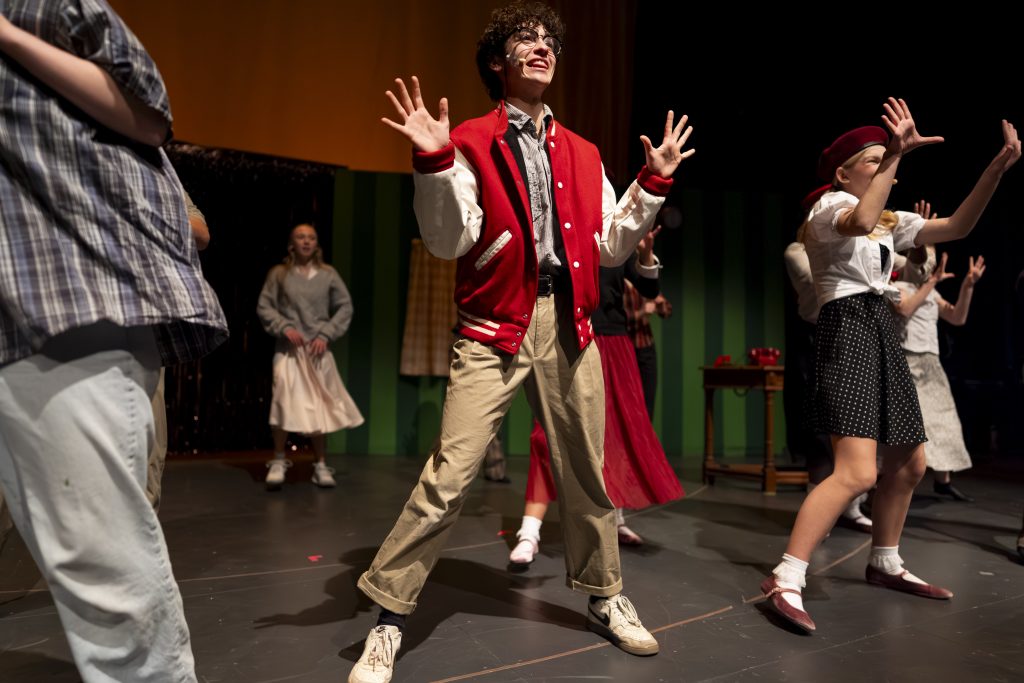
“Part of the job of the mentor is to lead by example, to demonstrate certain ways of making choices, and to provide them with other ideas,” Kloppenberg said. “It puts the mentors into the project as collaborators, and the students are still doing the creative direction but learning from the professional mentors in the process.”
The mentors’ feedback helped the students tighten up scenes, work on their characters, and much more.
Gabby Vogel ’26, a performance, theater, and dance and education double major who choreographed the show, said that the mentors helped make the performance stronger. She described herself as a “theater kid” who loved how Little Shop of Horrors has brought dance, theater, and music students from all across campus together.
“This has been a project that has allowed all of us, with all of our different interests, to come together and form a community of people with one central interest that we love and share,” she said. “I think the best part of it has been getting to come back to my theater roots with a community that all cares about the same thing and is really supportive and kind.”
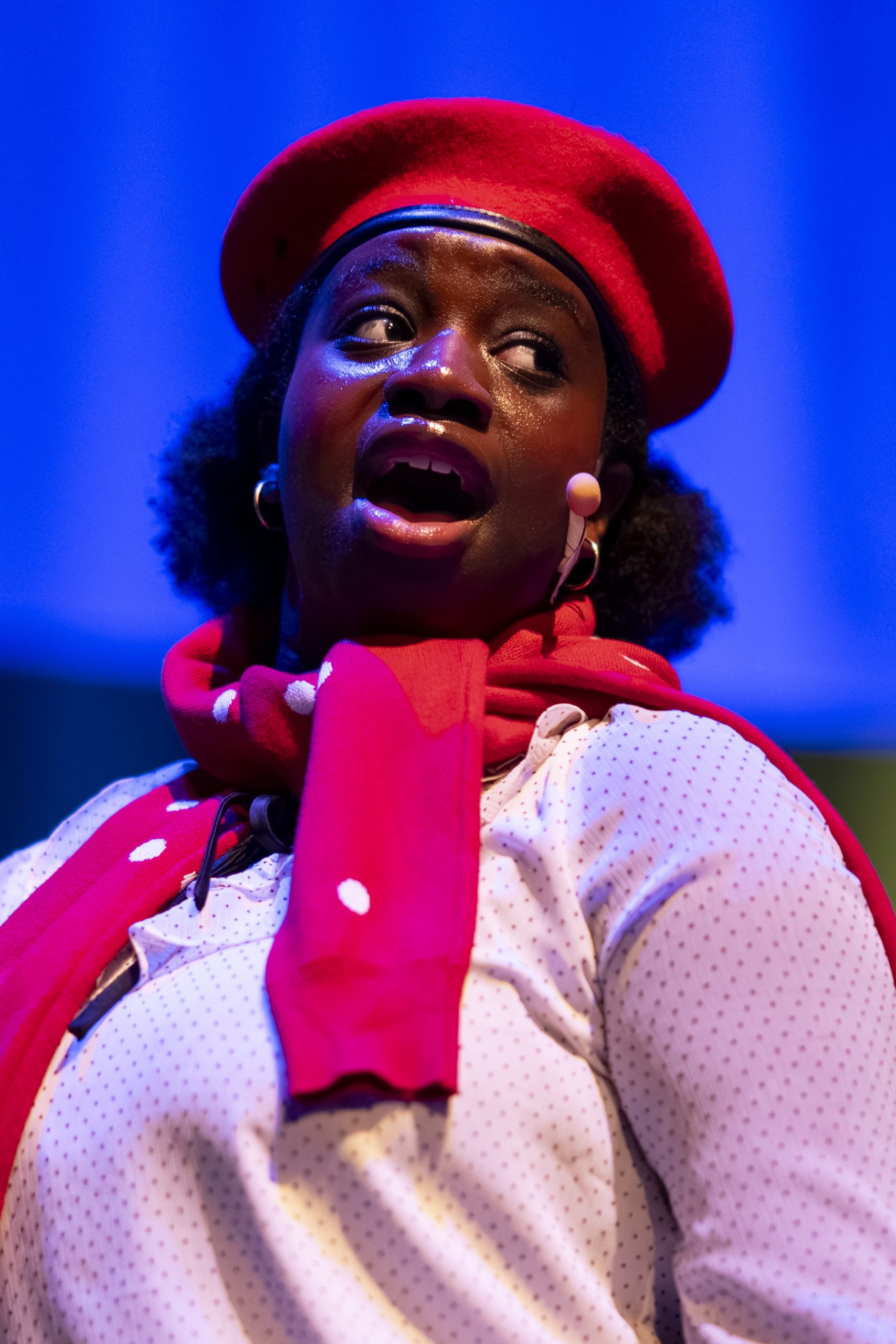
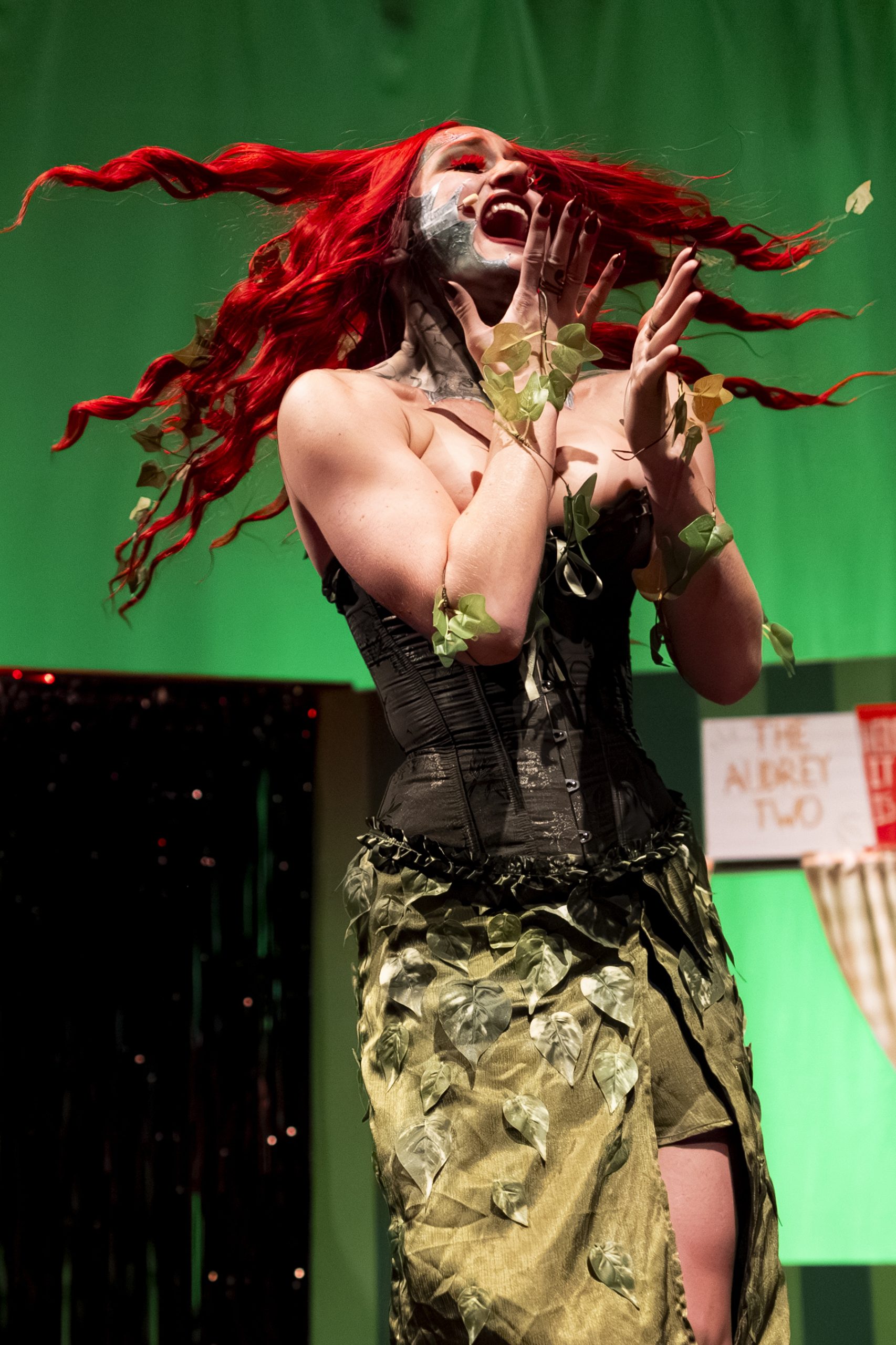
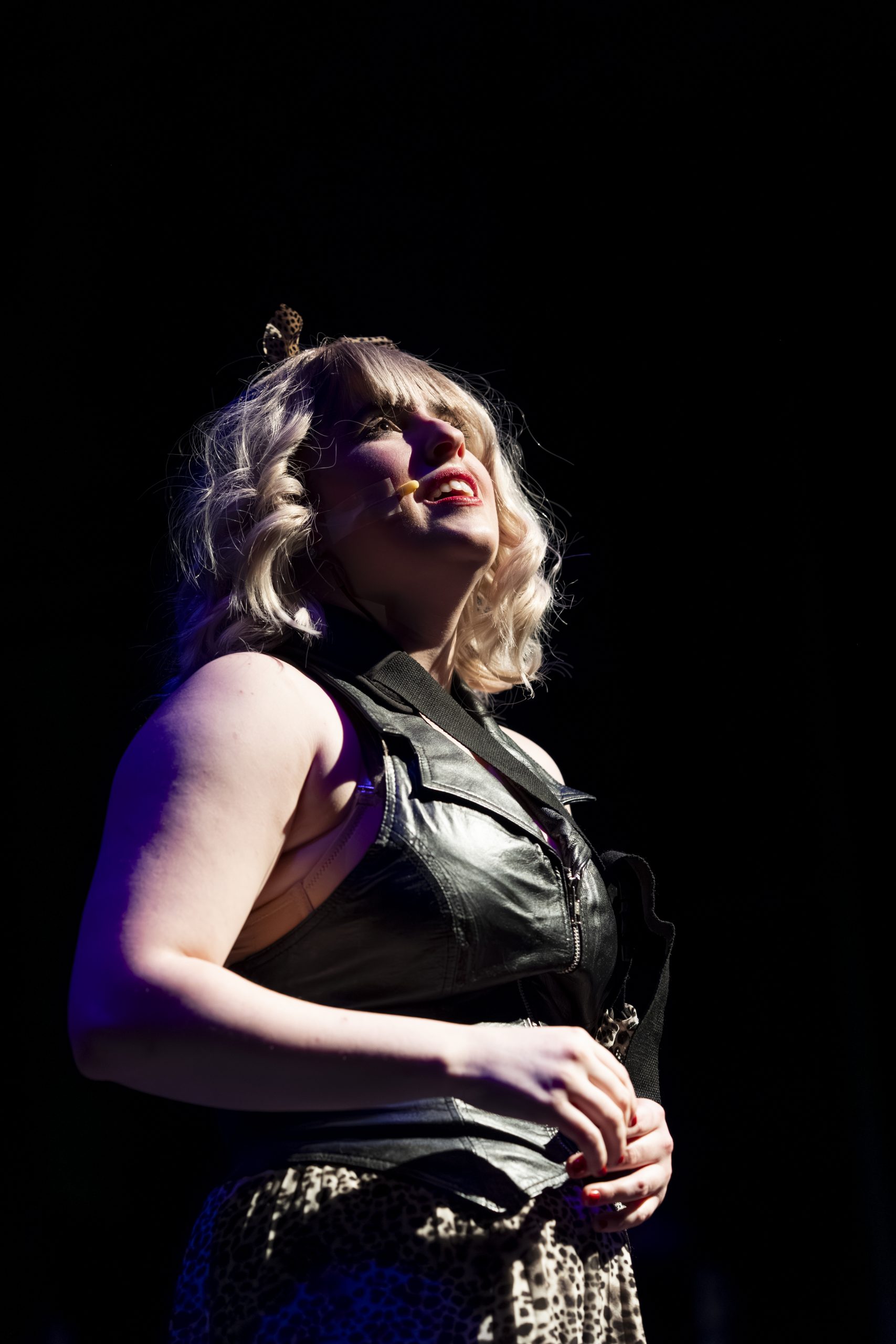
Ashley Rosenblum ’27, a studio art major who designed the costumes, joined the group because she was excited about the idea of a student-run production. It was her first time being part of a musical, and she had a good time sourcing pieces for the costumes at the Goodwill Store in Waterville and from performance, theater, and dance costume stock. There was a lot of problem-solving on the fly and collaboration with other students and mentors, all of which helped to make putting on the show a memorable, and very fun, experience.
“Seeing it all come together has been really satisfying,” Rosenblum said.
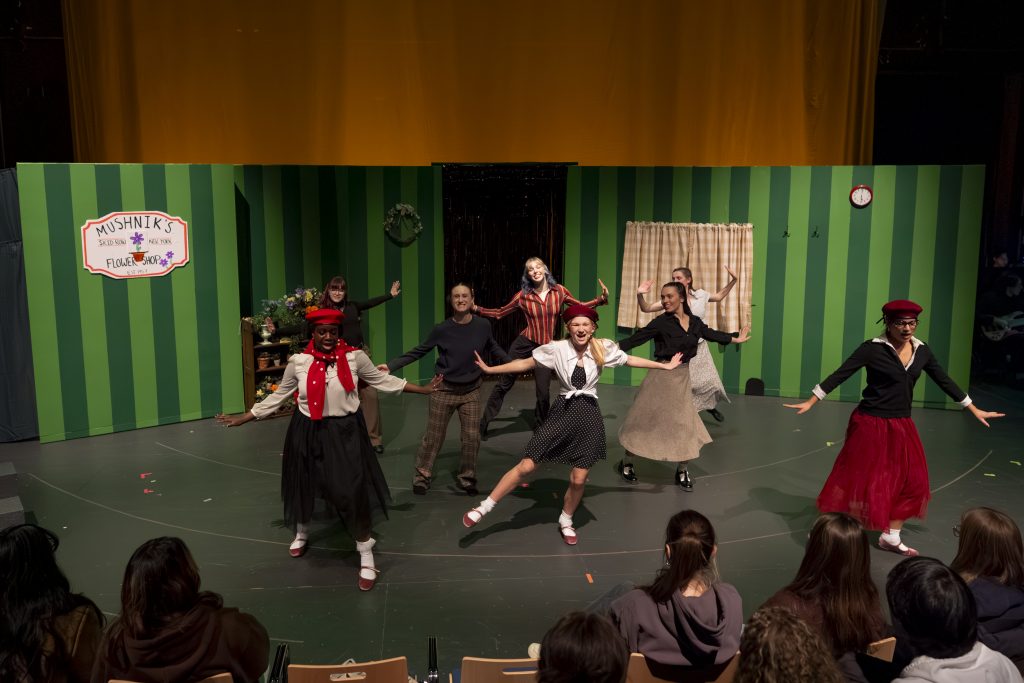
For her part, McGraw has been elated by the way the show came together and the support from the College community she and the rest of the cast have received. The Lyons Arts Lab made it all possible, she said, providing funding, moral support, mentors, and much more.
“They’ve been awesome,” she said, adding that the experience has been unforgettable. “It’s really special, and I couldn’t be happier with how it’s going.”