Tenure Granted to Seven Faculty Members
These new associate professors are innovative, inclusive, and inspiring teacher-scholars
On the recommendation of President David A. Greene, seven faculty members have recently been promoted and granted tenure.
Colby’s newest associate professors are Naser Al Madi, computer science; Alison Bates, environmental studies; Stacy Doore, computer science; Yang Fan, economics; Erin Giffin, economics; Lindsey Madison, chemistry; and Nicolás Ramos Flores, Spanish.
Tenure also qualifies these teacher-scholars for a Haynesville Project Fellowship, which includes a two-year, $110,000 grant. Developed by Tom and Cathy Tinsley in 2021, this innovative pilot project is unique to Colby and has been extended to 2027. Initially set at $100,000, an additional $10,000 per professor has been granted to encourage faculty to explore how artificial intelligence could be used in their teaching or research. Overall, the grants support creative and high-impact research projects and celebrate excellence in teaching. Professors are expected to use the funds entirely for research purposes, or up to 40 percent for personal expenditures.
“Each of these faculty members is a dedicated and inspiring teacher, a scholar of influence in their discipline, and a generous contributor to the Colby community,” said Provost Denise Breueswitz, the Clara C. Piper Professor of Environmental Studies. “They each bring a distinctive approach to their work, but they all exemplify the best of our academic community. I am thrilled to welcome them to the senior faculty at Colby. We are fortunate to have such exceptional colleagues and wonderful people as members of our faculty.”
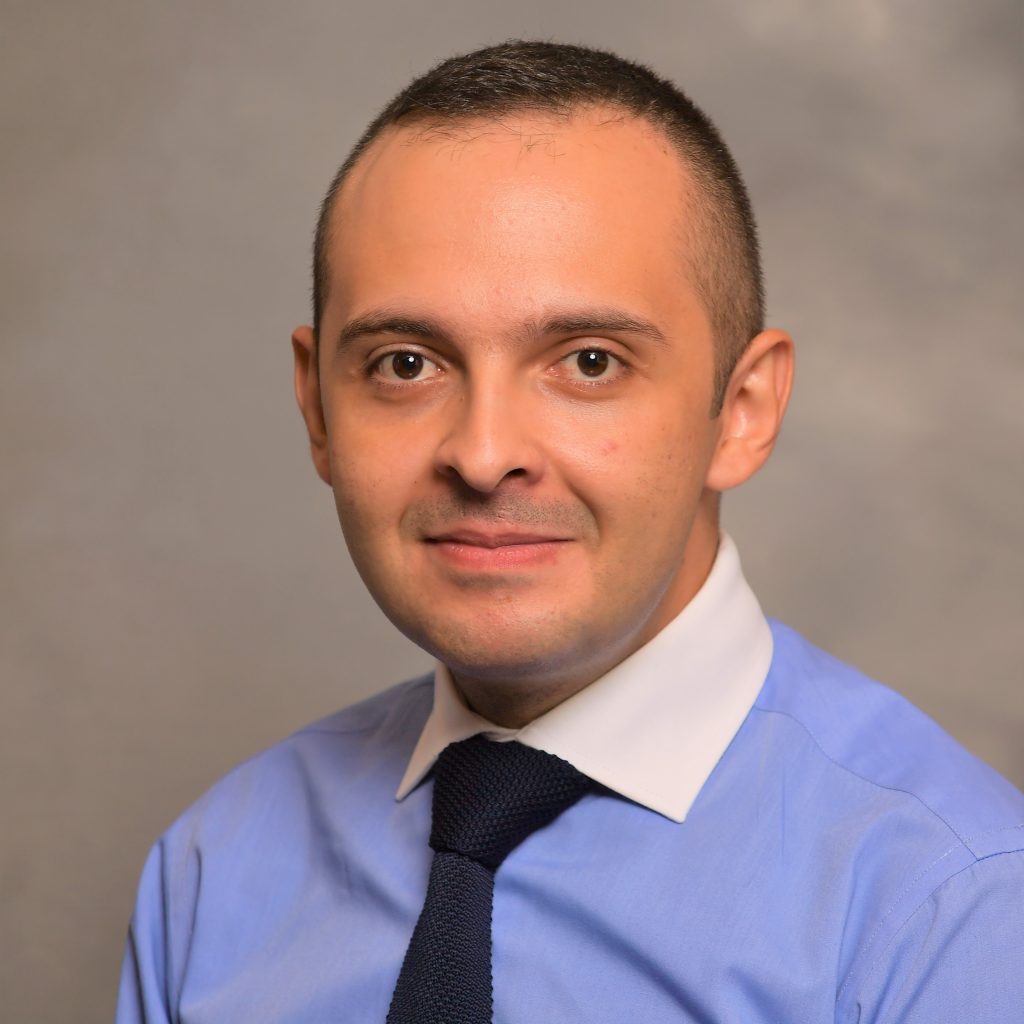
Naser Al Madi—Computer Science
Naser Al Madi is a computer scientist with expertise in software engineering, particularly in developing eye-tracking methods to understand how people read and comprehend code, yielding practical implications for both education and industry. He asks how vision, attention, memory, and language processing are coordinated to support one’s capacity to read and understand code. In 2023 he was a visiting scholar at Harvard University’s School of Engineering and Applied Sciences and the Schepens Eye Research Institute, working on applications of eye tracking in clinical rehabilitation and human-computer interaction. His recent publications provide insight into manual versus automated corrections to drift in eye tracking, as well as approaches for students and researchers to consider when using eye-tracking technology and algorithms in software engineering. He was instrumental in helping develop a successful computer science module for CAPS (Colby Achievement Program in the Sciences), and he founded a Colby chapter of e-NABLE, which uses 3D printers to create prosthetic devices.
Al Madi earned his M.Sc. and Ph.D. in computer science from Kent State University and his B.S. in computer science from the University of Jordan.

Alison Bates—Environmental Studies
Alison Bates is an environmental social scientist interested in how local communities view and shape sustainability and renewable-energy practices. Her interdisciplinary scholarship explores the intersection of energy policy and sustainability transitions, with a specific focus on offshore wind and the offshore wind debate in New England. Specifically, she explores community attitudes and acceptance of renewable energy, often utilizing innovative methodology such as immersive virtual reality to study community attitudes toward offshore wind siting. A recent project focused on stakeholder perceptions of how offshore wind may impact livelihoods, cultural well-being, and adaptation in coastal communities was funded through a partnership with Maine Sea Grant, the Northeast Sea Grant Consortium, the U.S. Department of Energy’s Wind Energy Technologies Office and Water Power Technologies Office, and NOAA’s Northeast Fisheries Science Center. Bates has served as the elected co-chair of the Maine Offshore Wind Research Consortium, overseeing significant research funds and creating student internship opportunities in Maine.
Bates earned her Ph.D. in marine policy from the University of Delaware and her B.S. in biology from Hobart and William Smith Colleges.
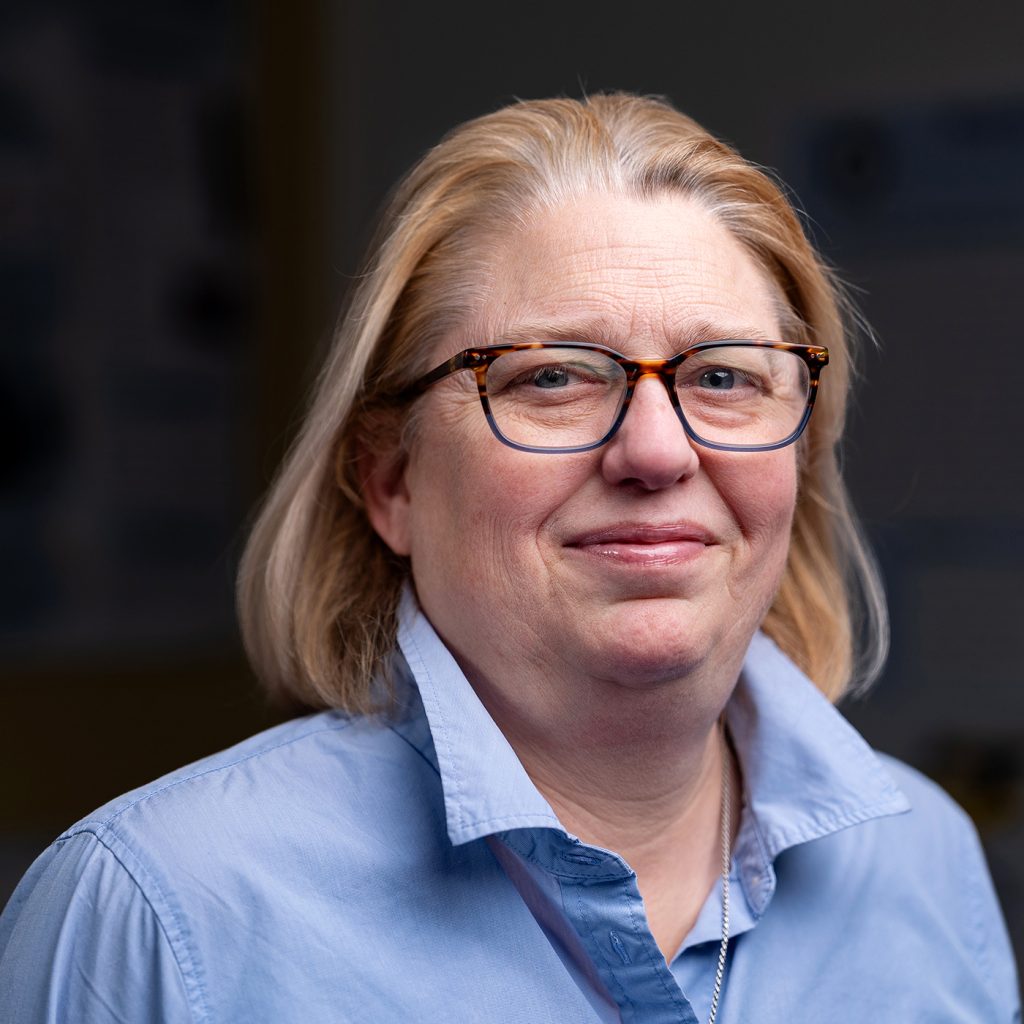
Stacy Doore—Computer Science
Stacy Doore is a computer scientist whose area of expertise is broadly categorized into responsible computing and human-computer interaction. Her scholarship explores how humans and machines process, communicate, and act upon spatial information. Her research specifically focuses on spatial information systems and multimodal information access of spatial information, contributing to the development of emerging assistive technologies. Doore’s focus is on technology that solves real-world problems by increasing access to information and removing barriers for vulnerable and underserved communities. She also contributes to computing ethics standards and computer science education as co-creator of the Computing Ethics Narrative Project. Recent projects range from developing a mobile-accessible navigation framework to help people with visual impairments in wayfinding to a quadruped robot navigation guide named Spot. In 2022 her work with the Autonomous Vehicle Research Group received third prize in the U.S. Department of Transportation’s Inclusive Design Challenge for their Autonomous Vehicle Assistant smartphone app. She founded Colby’s Coding Club, which provides community outreach by working with local public schools, and is an associate editor of the Association for Computing Machinery’s ethics repository.
Doore earned her M.Sc. and Ph.D. in spatial information science and engineering in addition to a B.A. in anthropology and B.S. in education from the University of Maine.

Yang Fan—Economics
Yang Fan is an economist interested in corporate finance, financial economics, and microeconomics. His scholarship focuses on the intersection of innovation, business strategy, and corporate finance, particularly in investigating how knowledge transfers across companies via informal channels such as shared corporate board members. These hidden channels of knowledge flow often shape how firms innovate, differentiate, and compete, yet they are often overlooked in models of knowledge transfer. Fan also explores board composition, selection of chief executives, and CEO compensation. Recent scholarship investigates the relationship between diversity of board expertise and investment and firm performance, and how firms position themselves in technological space, manage R&D spillovers, and deploy intellectual property strategically. Beyond his scholarship, Fan successfully secured donor funding for Colby’s Wall Street Prep training program so students do not have to pay out of pocket to attend.
Fan earned his Ph.D. and M.A. in economics from the University of Washington, an M.A. in economics from San Francisco State University, and a B.A. in economics from the University of California, San Diego.
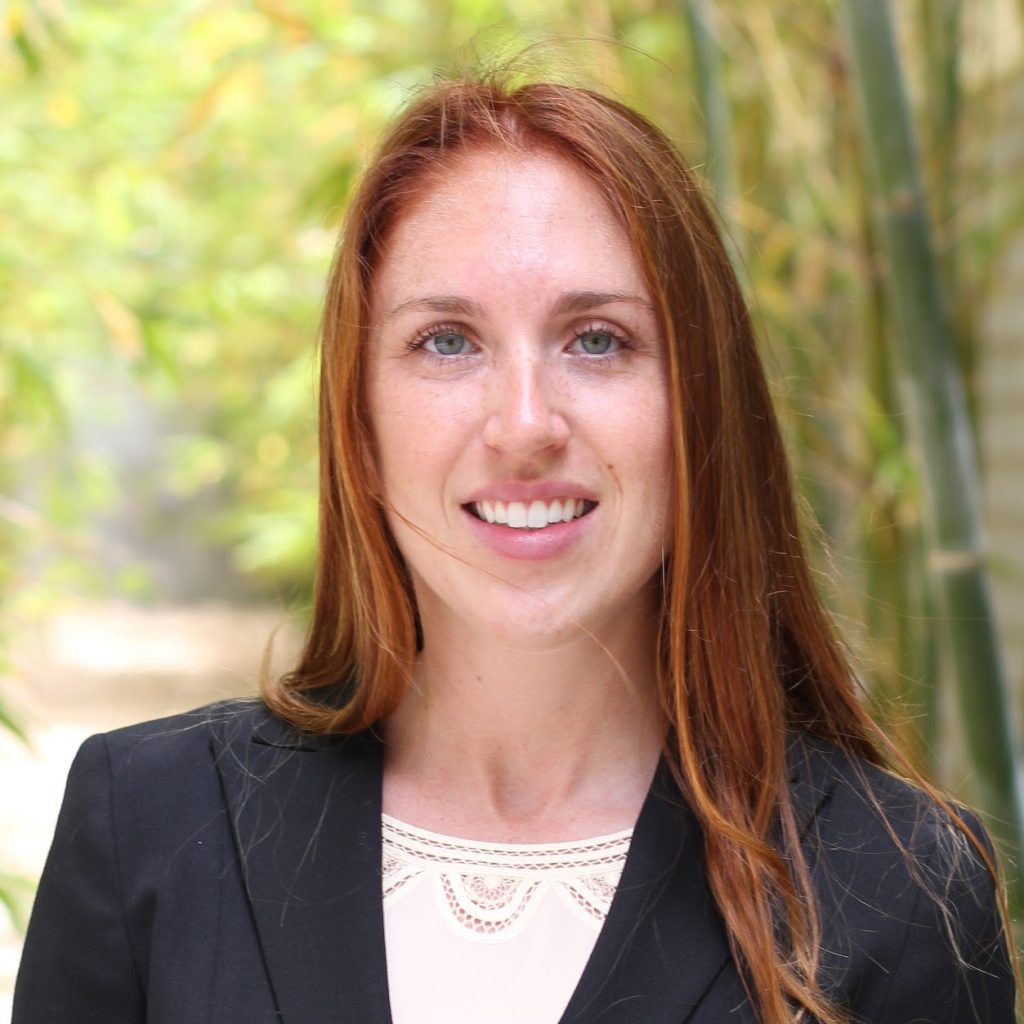
Erin Giffin—Economics
Erin Giffin is an economist with expertise in behavioral economics, experimental economics, and microeconomic theory. Her work focuses on how risks and incentives, identity, and individual beliefs shape human behavior and decision-making. This research takes place in a wide range of contexts, providing insights into areas such as the legal world, the agricultural industry in developing countries, and insurance purchases. Her work integrates psychological findings into formal economic models, specifically focusing on the causes and consequences of biased beliefs, such as limited memory and gender stereotypes. Her research challenges the prevailing economic notion that incorrect beliefs are always eliminated through market forces. A recent publication examines workers’ perceptions and misperceptions of how employers penalize women versus men for work absences related to children, while another explores individual decision-making based on finite memory and small rewards versus large risks. Giffin serves as the faculty advisor to the Department of Economics’ Women in Economics and Finance group and is an important role model and mentor for aspiring early-career women in economics.
Giffin earned her Ph.D. in economics from the University of California, San Diego, and her B.A. in economics and psychology from the University of Colorado, Boulder.
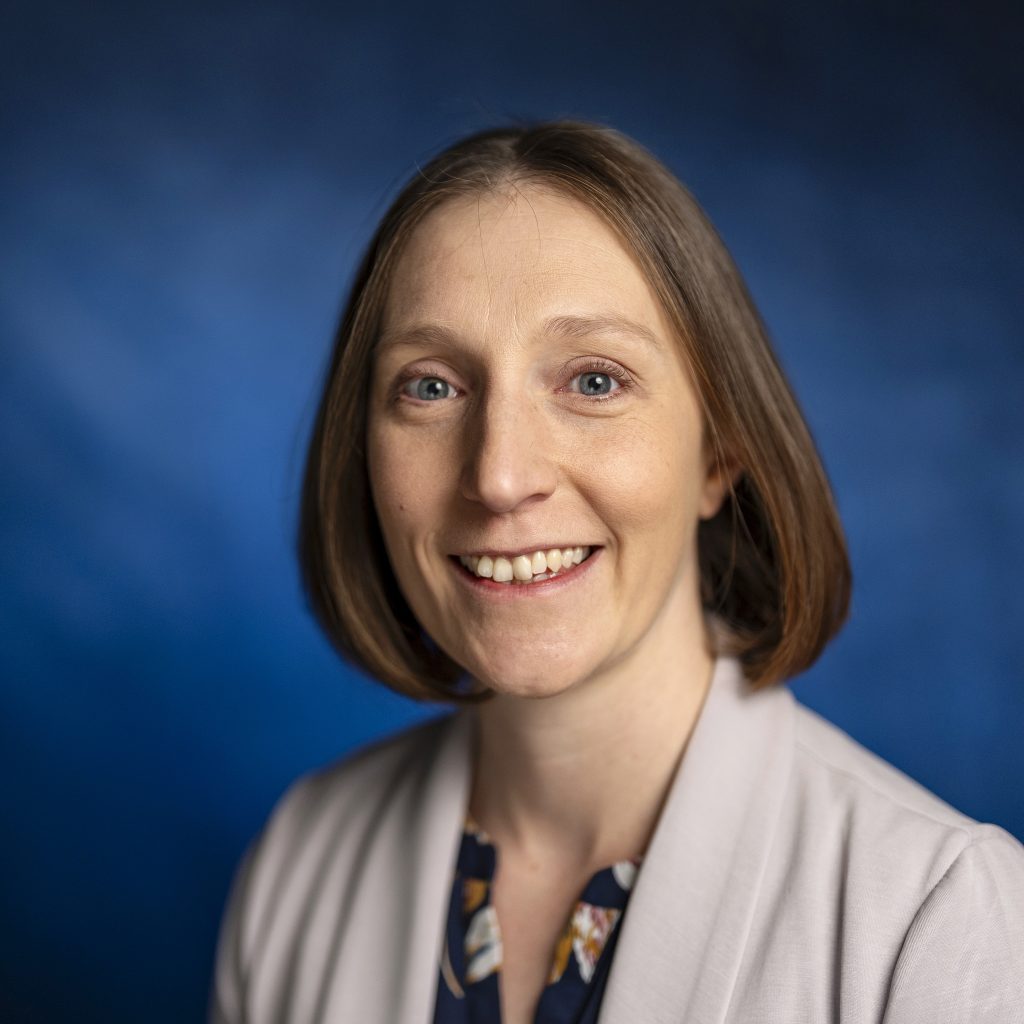
Lindsey Madison—Chemistry
Lindsey Madison is a theoretical chemist interested in how intermolecular interactions manifest in vibrational spectroscopy. Her research focuses on developing Diffusion Monte Carlo methods for simulating molecular vibrational behavior and applying existing computational tools to interpret light-matter interactions, often in close collaboration with experimentalists. Using theoretical and computational chemistry, she also explores the properties of clathrate hydrates, semi-stable crystalline phases of water with structures that entrap greenhouse gas molecules such as carbon dioxide and methane. She aims to describe how these hydrates’ cage structure is stabilized by guest molecules, and how the properties of the guest molecule affect the hydrate. Her work contributes to understanding this unusual relationship of a water phase stabilized by hydrophobic molecules, research that is becoming increasingly relevant as global warming causes clathrate hydrates to melt and release their greenhouse gases into the atmosphere and ocean. At Colby, Madison modernized the Chemistry Department’s curriculum by developing a Computational Chemistry Laboratory, and she made the General Chemistry course more inclusive and effective.
Madison earned her Ph.D. in chemistry from Northwestern University and her B.A. in chemistry from Carleton College.
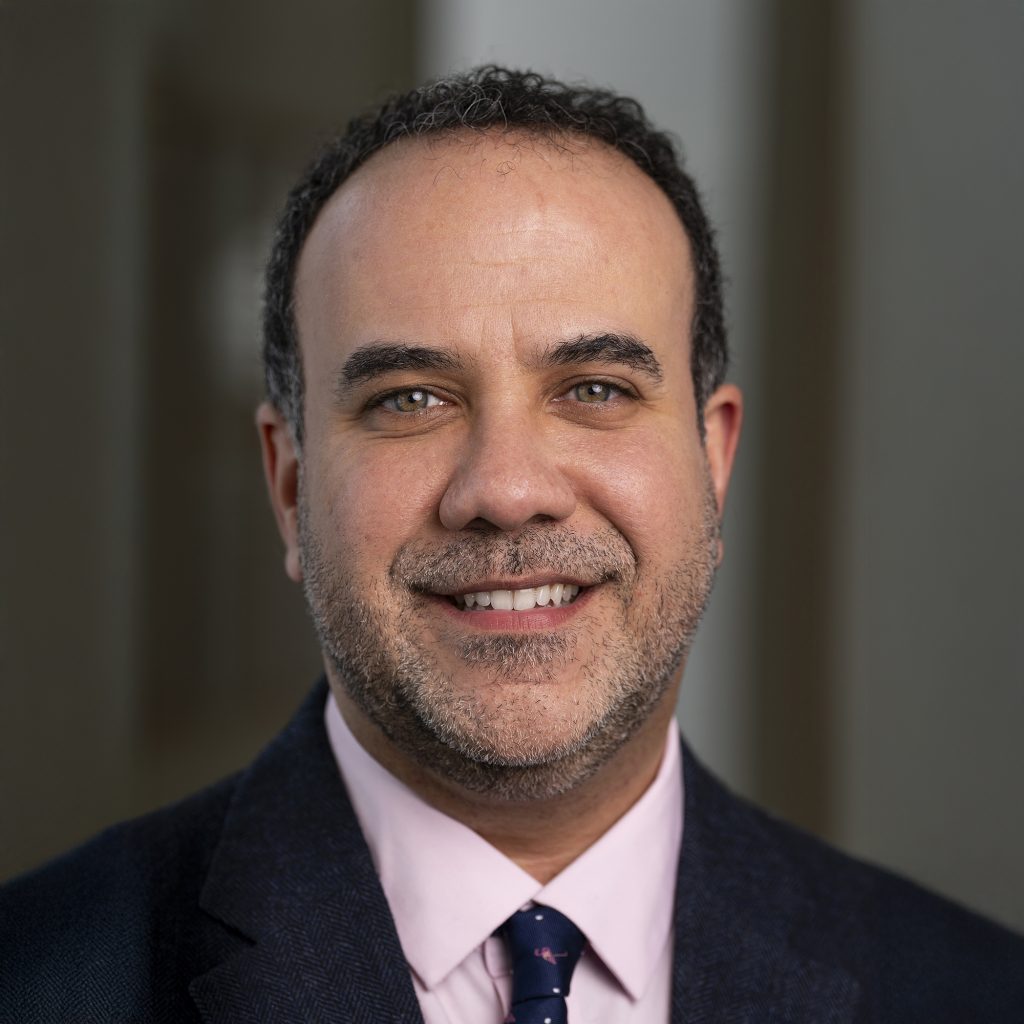
Nicolás “Nico” Ramos Flores—Spanish
Nico Ramos Flores is a scholar in Caribbean and Latinx studies who researches the intersections of racial discourse, memory, and masculinity in Caribbean and Latinx cultural products. His scholarly approach is emphatically interdisciplinary, situated at the intersections of Latin American, Latino, Caribbean, American, and Black diasporic studies. His scholarship considers the formation and manifestation of collective and intersectional identities, calling attention to how identities are represented or obscured in media, art, and physical locations. In his forthcoming book, Archipelagoes of Longing: Puerto Ricans, Resistance, and Memory (2026), Ramos Flores analyzes how Puerto Rican visual and literary culture articulate longing and connectedness as the island and diaspora respond to oppression, migration, and trauma; the book positions him at the forefront of the evolving field of memory studies. Ramos Flores provides extensive mentorship to Black and Latinx students on campus, particularly through his involvement with SOBLU (Students Organized for Black and Latinx Unity). He also serves as the associate faculty advisor for the Fulbright Fellowship program.
Ramos Flores earned his M.A. and Ph.D. in Hispanic language, literatures, and cultures from the University of Minnesota Twin Cities and a B.A. in Spanish from Rollins College.