Thirteen Teacher-Scholars Join Colby Faculty
The cohort brings innovative approaches to the sciences, artificial intelligence, and social sciences
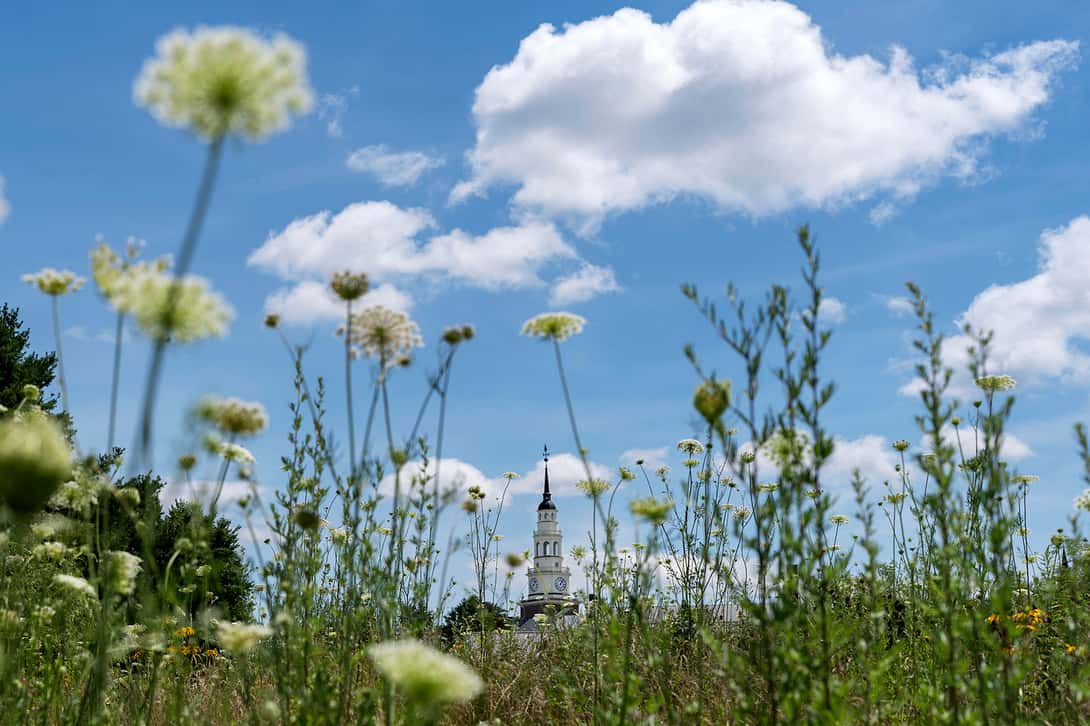
Colby’s faculty has expanded with the addition of 13 new professors who began teaching on campus earlier this month. With one exception, all of them joined the Mayflower Hill community as tenure-track assistant professors.
While some are experienced teachers and others have newly minted doctorate degrees, each bears exceptional credentials and a strong interdisciplinary background. Together, they promise to bring world-class scholarship and fresh perspectives to the academic landscape at the College.
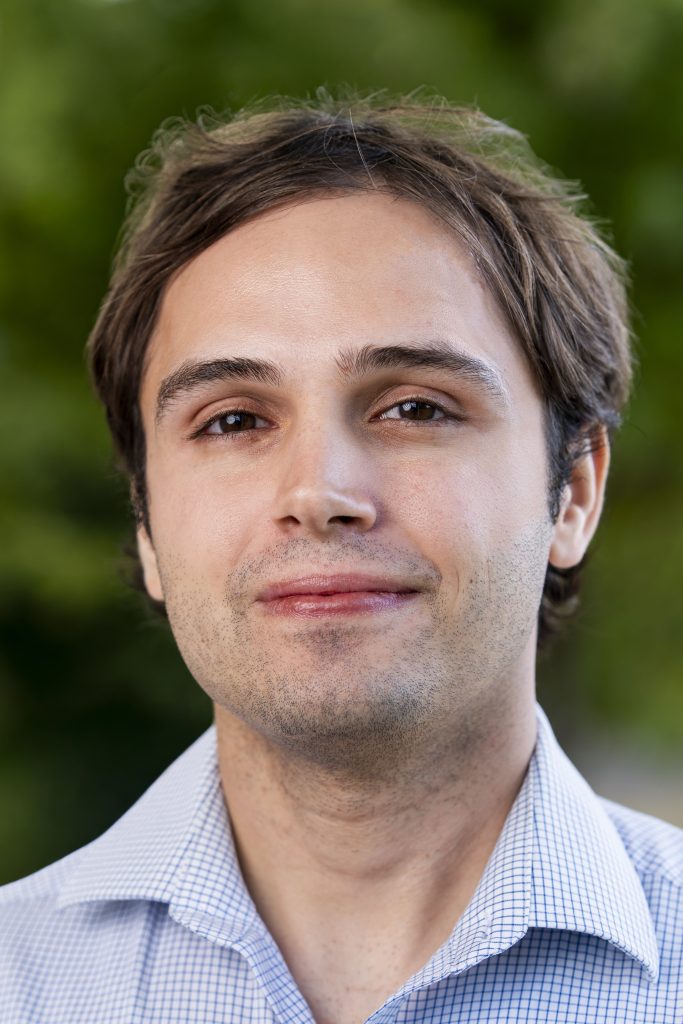
Raymond Caraher (economics) has research interests in health economics and health policy, especially concerning maternal, infant, and child health outcomes. His most recent work examines the effect of restrictive reproductive health policy on maternal and infant health. As part of Colby’s new focus on public health, he will teach specialized courses in the political economy of public health as well as upper-level quantitative methods courses. Caraher comes to Colby directly from graduate school at the University of Massachusetts, Amherst, where he earned his doctorate in economics.
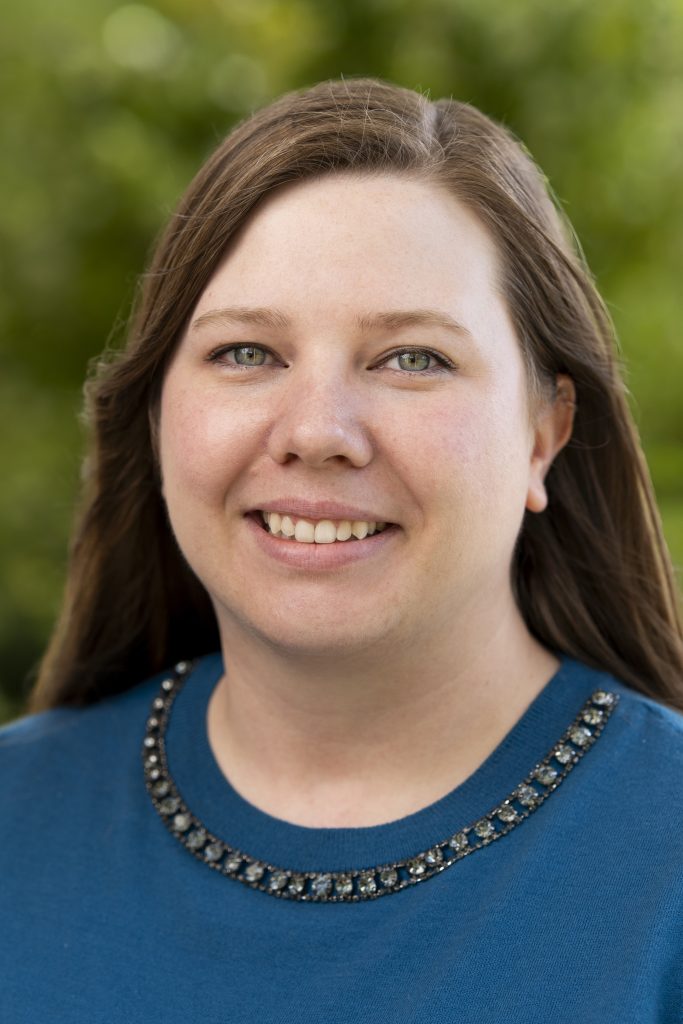
Casey Cavanaugh (mathematics) researches numerical methods for partial differential equations arising from physics applications. While professors often teach students how to “pen and paper” solve equations, in actual real-world applications, this can be difficult or even impossible. Her work focuses on developing computational methods to find good approximate solutions to these problems and the mathematical theory behind them that makes these methods work well. At Colby, she will expand the applied and numerical math course offerings and design courses at the intersection of mathematics and computer science, appealing to a broader range of students. Before Colby, Cavanaugh was a postdoctoral research fellow at Louisiana State University in the Center for Computation & Technology. She received her doctorate in mathematics from Tufts University.
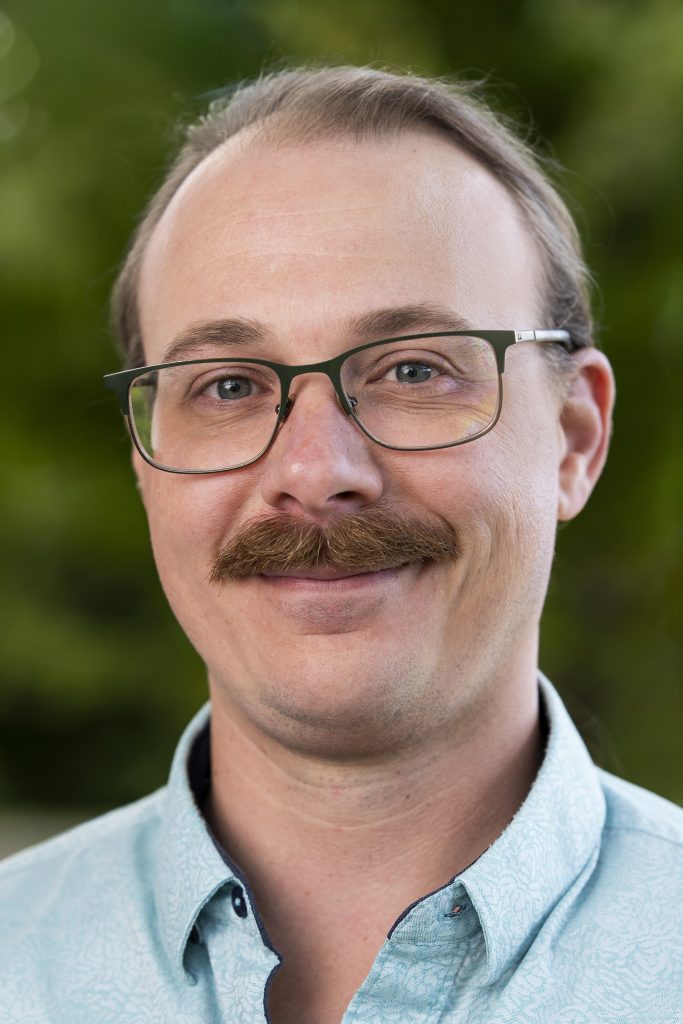
Kyle Coblentz (biology) brings together data and mathematical models to better understand how species interact with one another and the consequences of their interactions for populations and biological communities. He also works on how species’ interactions are being altered by climate change and how species might adapt to it in complex communities. Courses he will teach at Colby include Ecology and Population Modeling. Previously, Coblentz was a postdoc and senior research associate at the University of Nebraska-Lincoln, where he also taught a summer field course, Ecology and Evolution, at UNL’s Cedar Point Biological Station. He received his doctorate in zoology from Oregon State University.
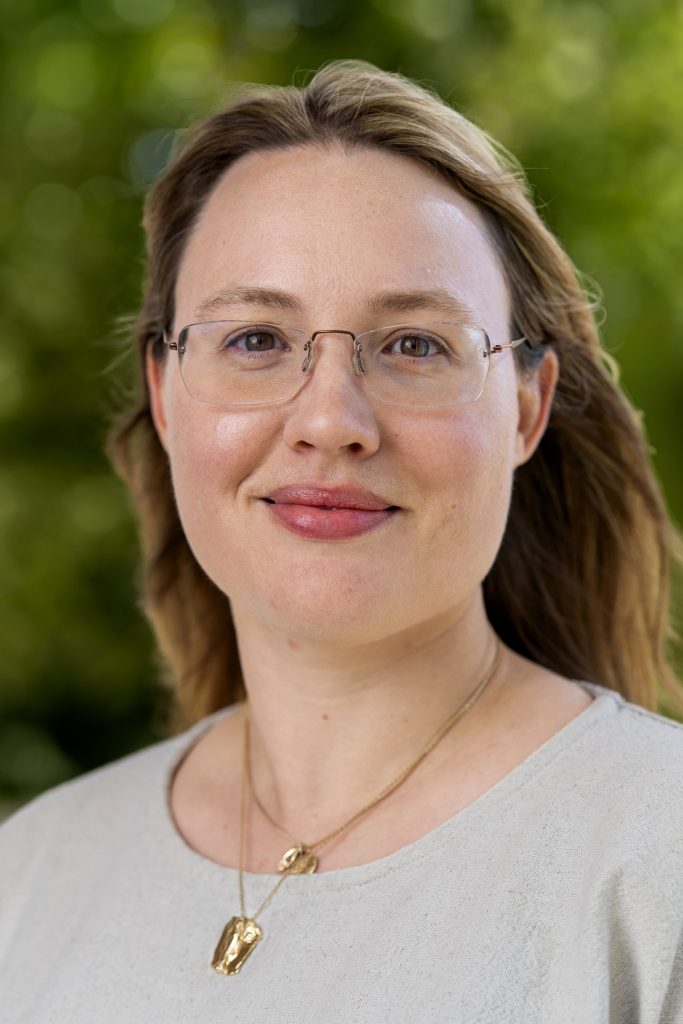
Nicole Denier (sociology) is a sociologist and social demographer whose research focuses on work and labor markets. She considers the labor market as an engine and site of social transformation, with a focus on three dimensions of change: social diversity, demography, and technology. In her research, she is examining ways artificial intelligence is upending how we work, and how immigration policy is reshaping people’s careers. Her recent publications include The Returned: Former U.S. Migrant’s Lives in Mexico City. Among the topics she’ll teach at Colby are courses on the future of work, organizations, and population dynamics. Most recently, Denier was an associate professor of sociology at the University of Alberta. She returns to Colby as an associate professor, with tenure, having spent time on Mayflower Hill as a postdoctoral fellow from 2016 to 2018. Denier earned her doctorate in sociology at McGill University.
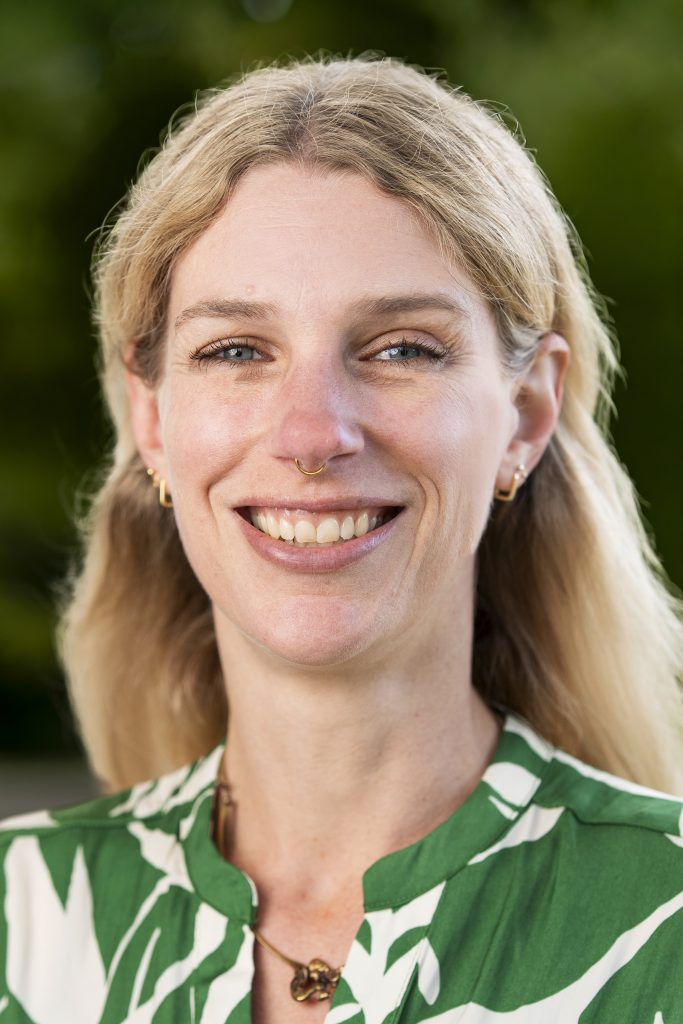
Holly Dunn (government) has conducted extensive fieldwork in the eastern region of the Democratic Republic of Congo, examining how people understand different harms and disputes in their daily lives and how they navigate the complexities of legal pluralism. Her first book, Legal Consciousness and the Rule of Law in Post-Conflict Societies: Emergent Hybrid Legality in the Eastern Democratic Republic of Congo, explores these issues in depth. Her current projects intersect technology, methodology, and research ethics, and she is developing research that explores the impact of emerging technologies on transitional justice practices. She will teach a course in comparative law and another that explores theories and practices of peacebuilding and transitional justice. Dunn previously taught for seven years at the University of South Florida in Tampa and earned her doctorate in political science at the University of Minnesota.
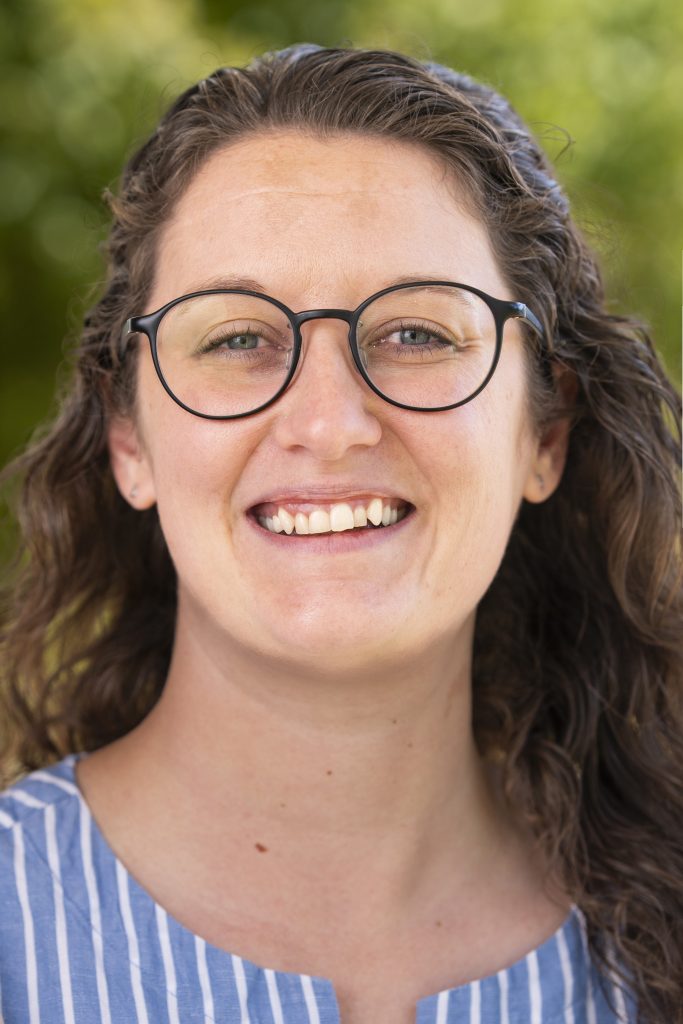
Diana Elhard (environmental studies) focuses her research on the institutional aims and impact of international organizations on environmental governance. Using qualitative approaches, including ethnographic methods, digital archival work, interviews, and discourse analysis, she has conducted research at 18 international environmental negotiations across 10 countries. Her book project looks at climate finance governance within the United Nations Framework Convention on Climate Change. She is interested in the influence of previous treaty decisions, institutional design, and existing norms on deliberative processes and their outcomes. Her research is motivated by a desire to understand better the successes, failures, and inconsistencies of governance that have perpetuated injustices in the current climate finance landscape. Specialized courses she will teach at Colby include one on global climate policy, focusing largely on the Paris Agreement and implementation challenges, and the politics of plastics. Elhard earned her doctorate in political science at Northwestern University.
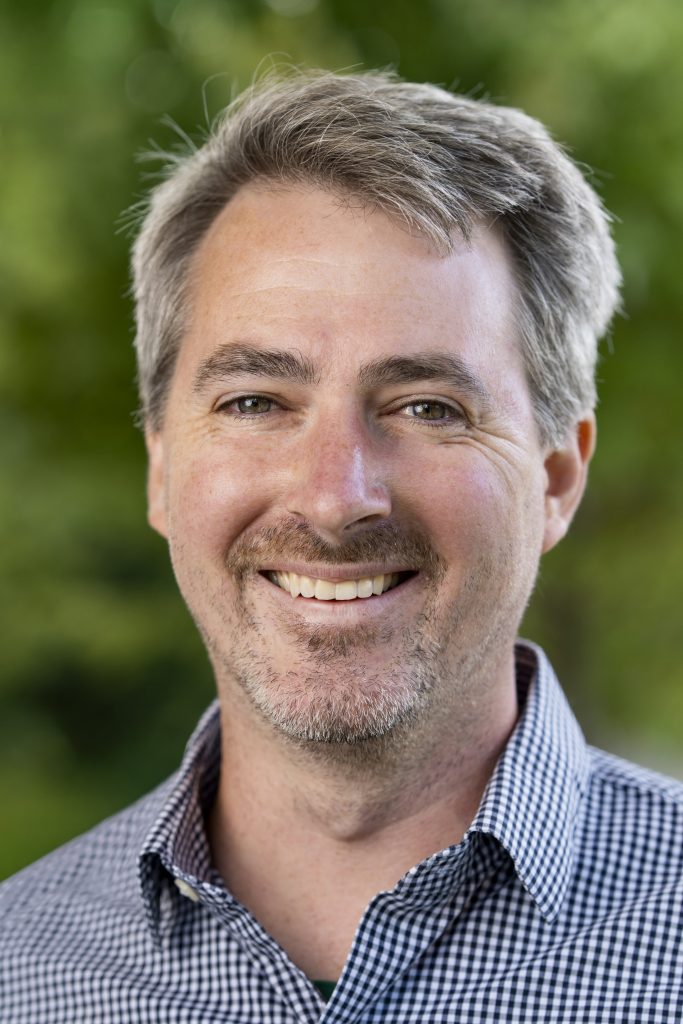
Reuben Hudson (chemistry) works on the synthesis of different materials (e.g., polymers, metal nanoparticles, and minerals) and their use for applications ranging from catalysis (facilitating chemical reactions) to their incorporation into fuel cells. Recently, he has applied his training in materials chemistry, catalysis, and electrochemistry to explore the properties of deep-sea hydrothermal vents and how the minerals at these vents could facilitate prebiotic reactions necessary for life to emerge. In addition to teaching inorganic chemistry, he hopes to offer courses in green chemistry or materials chemistry, the focus of his doctoral work, which he completed at McGill University. He completed a postdoc at Colby from 2013 to 2018, during which he also undertook visiting/collaborative postdocs in order to expand the scope of research underway at Colby. They included at RIKEN (Japan) and a Fulbright Visiting Professorship at TU Graz (Austria). Most recently, Hudson was the Lelanage and Steven Rales Professor of Chemistry at College of the Atlantic.
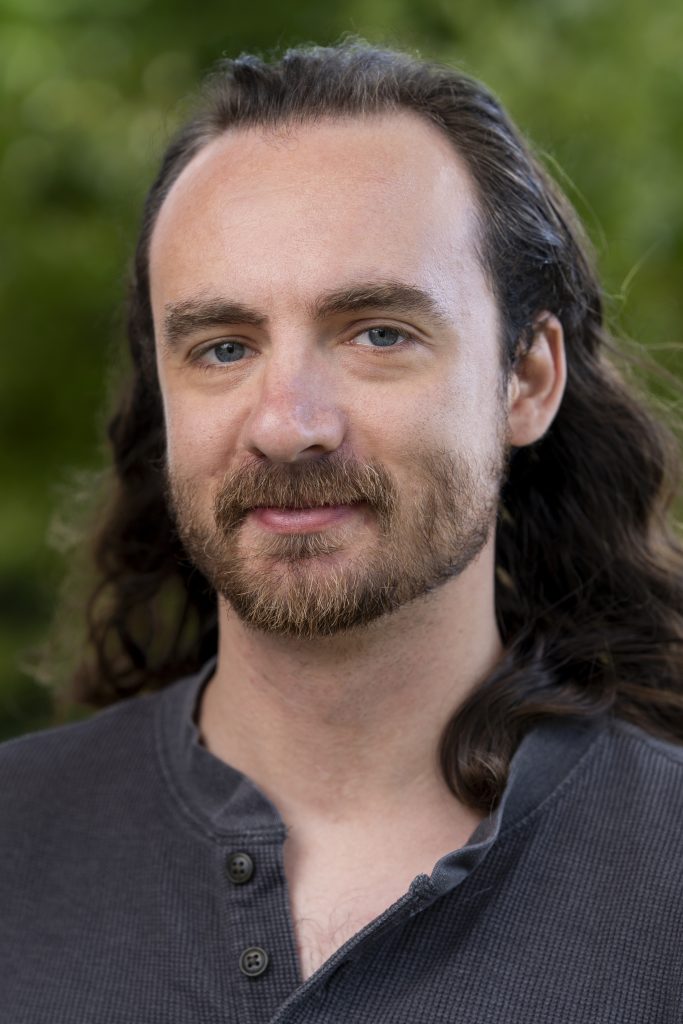
Matt Jones (mathematics) is an applied mathematician whose interdisciplinary research examines how social networks form and influence our behavior, and how different electoral systems, such as ranked-choice voting, lead to different outcomes. Jones examines the underlying mathematical principles on which these real-world phenomena of networks and elections are built by constructing mathematical models and studying them with a mix of mathematical analysis, computation, and real-world data. His work answers socially relevant questions such as, “What network properties make information spread quickly or slowly,” and “Which election methods encourage voters to cast honest ballots, instead of voting strategically?” He looks forward to teaching a variety of classes in applied mathematics and probability to Colby students. Previously, he completed a postdoc at the Yale Institute for Network Science and spent a year at College of the Holy Cross as a visiting assistant professor. Jones earned his doctorate in mathematics from Dartmouth College.
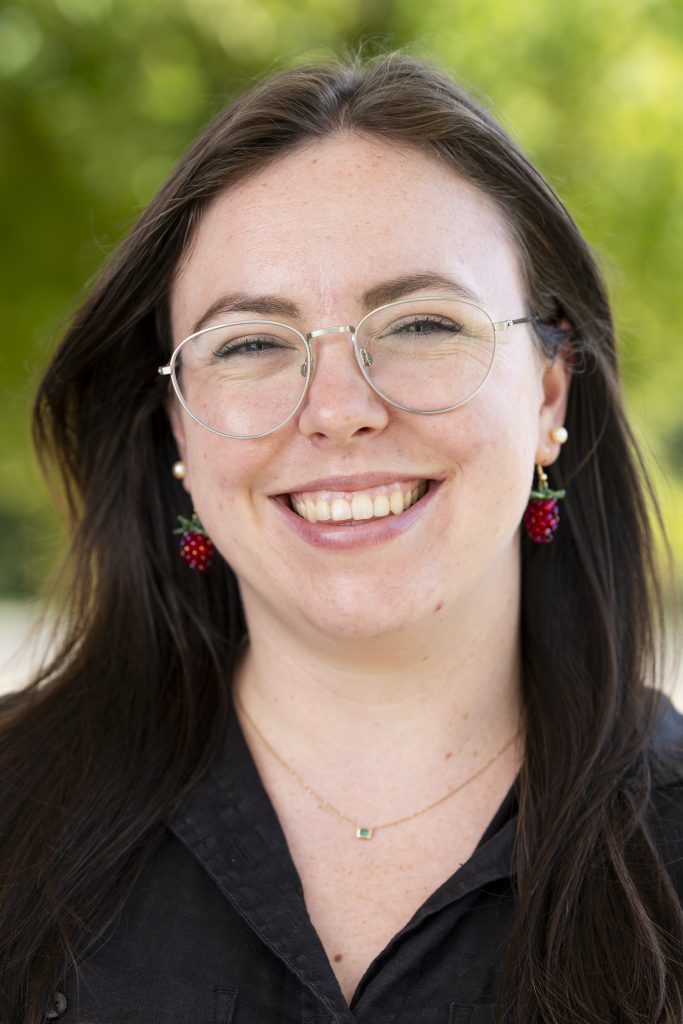
Claire E. Robertson (psychology) examines the psychological causes and social consequences of political polarization and extremism. Specifically, she examines how technology, morality, and emotion can exacerbate political conflict and drive people toward extreme beliefs. This fall, she is teaching a seminar with collaborative research in political psychology. Next spring, she will teach the course Judgement and Decision Making, where students will examine the cognitive underpinnings, social influences, and real-world applications of choice and behavior change. She will also teach a first-year writing course called Social Media in our Social World, in which students look at the human side of the challenges of technology and our new social sphere. Prior to joining Colby’s faculty, Robertson completed her postdoc jointly at New York University and the University of Toronto in the Rotman School of Management. She received her doctorate in social psychology from New York University.
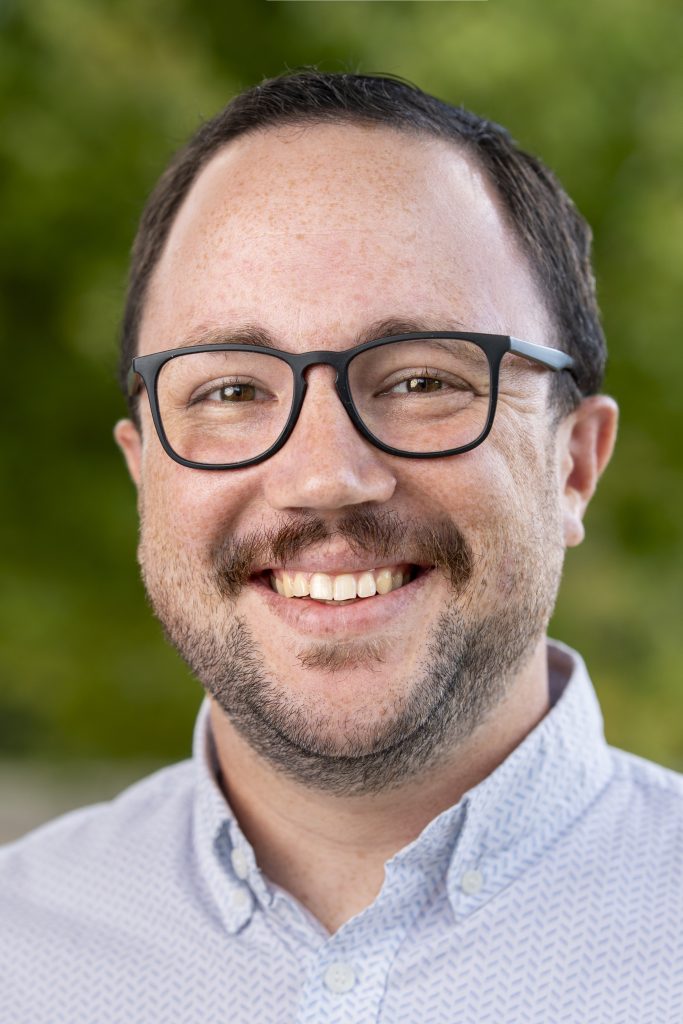
Michael Sanders (psychology) conducts research that focuses on designing and maximizing the reach of prevention and early intervention programs aimed at promoting social-emotional learning in early childhood, promoting positive mental health and reducing disparities for children, and preventing the development of serious behavior problems. This fall, he is teaching both a seminar and a collaborative research course titled Foundations of Childhood Mental Health. The seminar focuses on mental health prevention and early intervention strategies, and the course places Colby students in civic engagement volunteer positions to learn from, serve, and study children, families, schools, and community organizations. He will also teach a spring course on the etiology, assessment, and treatment of childhood psychopathology. Sanders completed a pre-doctoral clinical internship and postdoctoral fellowship in primary care research at the Dartmouth-Hitchcock Medical Center (DHMC). He also worked with pediatric residents at DHMC and taught undergraduate courses at the Pennsylvania State University, where he earned his doctorate in child clinical psychology.
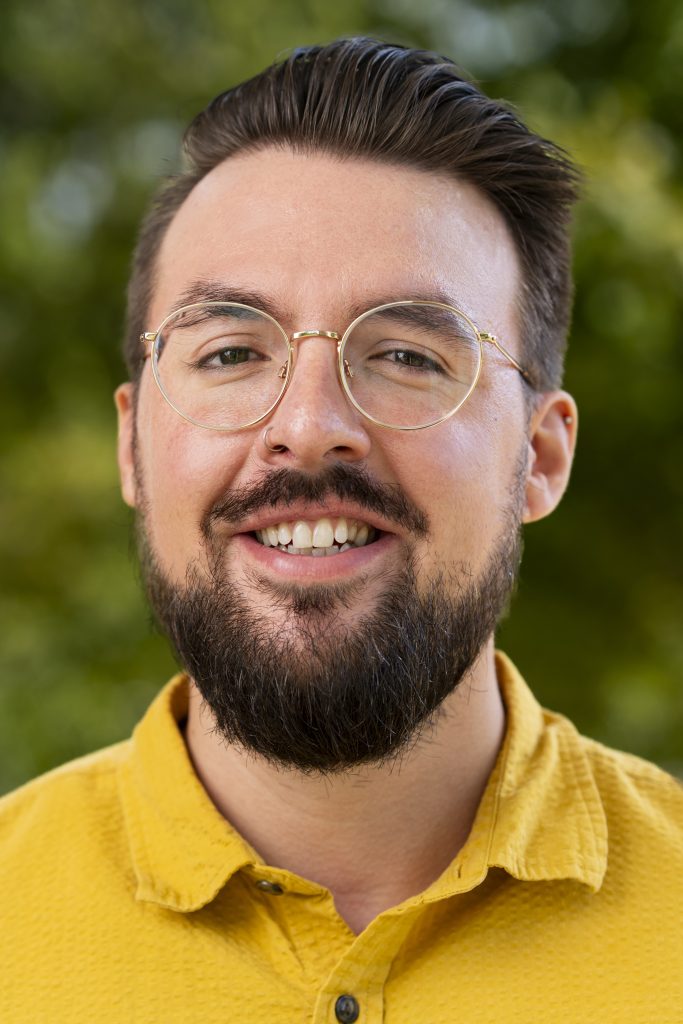
Nicholas Silcox (English) conducts research in the interdisciplinary areas of environmental humanities, digital media studies, and media and literary theory. He studies the ways digital media technologies and the environment are intertwined and shape one another. His current book project explores the different forms of intelligence circulating in the ocean, including artificial intelligence, the speculative possibility of the intelligence of the ocean itself, and the intelligence of artists and communities that interact with both the ocean and the technologies used to mediate it. At Colby, he will teach courses on environmental and oceanic humanities, digital media studies, and speculative fiction and art. Previously, Silcox taught literature and media studies courses at both New York University and Rutgers University, Camden, where he completed his master’s degree prior to attending New York University, where he completed his doctorate in English.
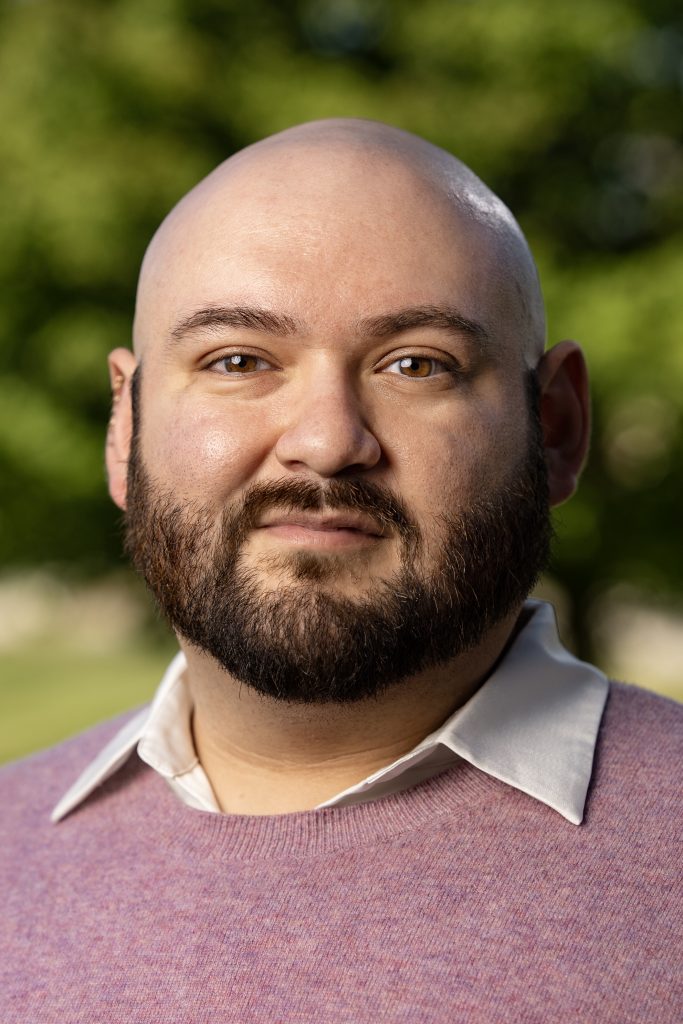
Luis Tenorio (sociology) engages in research that asks how legal status, racialized identities, and people’s interactions with the state and the law transform immigrants’ lives. The first of his two current projects analyzes the transformative effects of obtaining lawful permanent residency (also known as a green card) for formerly undocumented Latino and Asian immigrants. The second project uses data scraped from TikTok to analyze discourse on contemporary immigration protests, apprehensions and deportations, as well as the meanings and value of citizenship. His previous project examined how unaccompanied minors from Central America arriving in the New York metropolitan area navigated their early years in the U.S. and the pursuit of immigration protections. Among the specialized courses he’ll teach are Race, Ethnicity, and Society as well as Sociology of Immigration. Before Colby, Tenorio was a visiting assistant professor in sociology at Pomona College. He completed his doctorate in sociology at the University of California, Berkeley.
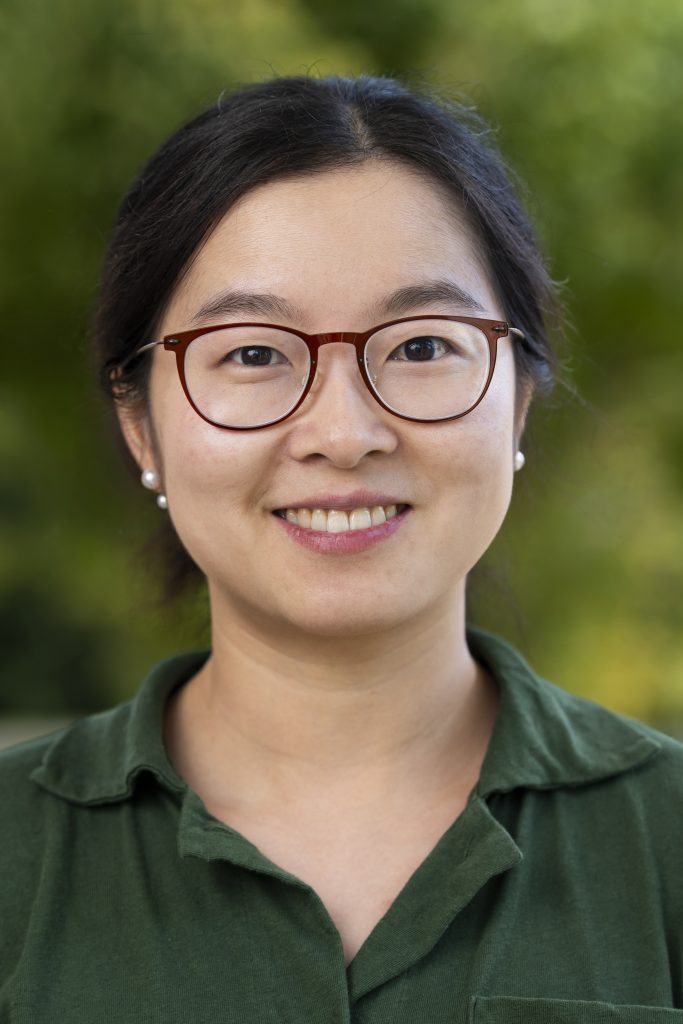
Lei Xue (mathematics) harbors research interests in algebraic and geometric combinatorics. She is particularly interested in studying the combinatorial structure of polytopes and simplicial complexes. In her first year, she will teach specialized courses on mathematical reasoning and linear algebra. In the future, she hopes to offer topic classes in algebraic combinatorics or discrete geometry, depending on student interest. Xue joins the Colby faculty from a three-year postdoc at the University of Michigan. Earlier, she completed her doctorate in mathematics at the University of Washington in Seattle.


