How Two Colby Roommates Started a Real Estate Disruptor
Steve Carroll and Keith Gilvar met at orientation. Nine years later, they cofounded the real estate startup Findigs.
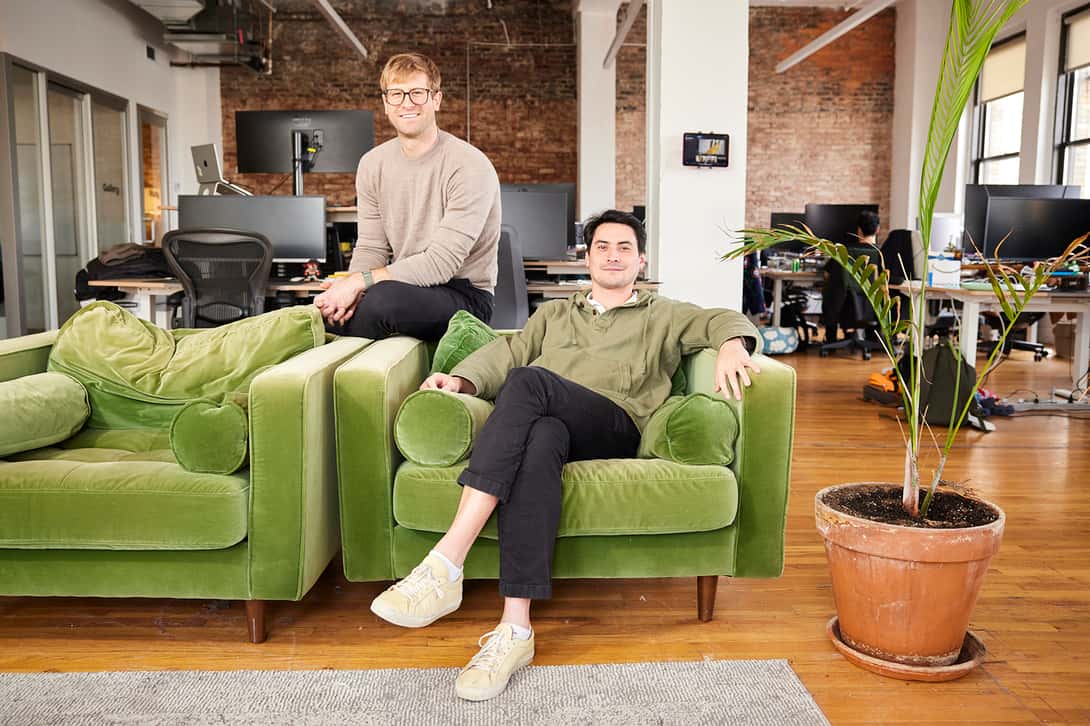
Colby has a way of pushing the right people together at the right time.
On his very first day on Mayflower Hill, Steve Carroll ’14 sat with his family in Dana Dining Hall for lunch. That’s when he met Keith Gilvar ’14.
“We met because our mothers were both concerned that we wouldn’t make any friends,” Carroll laughed. “We sat together at Dana, and that was it.”
The pair were inseparable during their time at Colby. Besides rooming together, they shared a major (government), extracurriculars (debate society), and a commitment to athletics (squash and golf for Carroll; tennis for Gilvar).
It was senior year, as they both looked toward the future, that the first glimmer of an idea for Findigs was born. They were both preparing to start their careers in New York City, yet struggled to figure out where they would live once they got there. “We were kind of knocking around this idea about how to get an apartment,” Carroll said. “We had this idea for a marketplace where you could pass down rentals without having to pay a broker or go through the usual search.”
The idea sat in a metaphorical drawer for years.
From roommates to cofounders
They moved to New York City together, where Carroll started his career on Wall Street at Nomura Securities. Gilvar became a consultant at Business Talent Group. “Four years went by, and I said, ‘Nobody has really done anything with this idea,’” Carroll recalled. “We decided if we’re going to take a shot, now is the time.”
That was 2018. Today, Findigs is an eight-figure business redefining the real estate market in New York. The pair has scaled the company to 75 full-time employees in the United States and 220 globally. And they recently closed a $27 million in Series B private equity funding to scale operations and expand their market presence.

Carroll jumped into the role of CEO. “I spend most of my time with our biggest customers, thinking about strategy and our product,” he said. “We’re in a highly regulated business, so the lessons learned from the Government Department come into play fairly often—I understand how the system works, and how it works for our customers.”
Gilvar prefers wearing many different hats based on what the company needs. Right now, that means going all-in on artificial intelligence as Findigs’ head of AI. “I approach it from a systems-thinking perspective to figure out how all the pieces fit together,” he said. “How can we use AI to drive the business forward in new and novel ways?”
While AI wasn’t part of the curriculum in 2014, Gilvar credits his Colby education for preparing him for technological change. “What a Colby education has done for me is give me the confidence in spaces that are more ambiguous. Nobody really knows where these new technologies will end up, but I learned how to be flexible. There really is no rule except for change. It’s all a function of how you adapt to it.”
A liberal arts foundation for innovation
Carroll believes that Colby helped both of them embrace becoming generalists. “Keith was not an engineer by trade, but he’s been able to learn some of these new concepts and apply them to our business so that we can compete. I don’t know what I’d do without him,” he said.

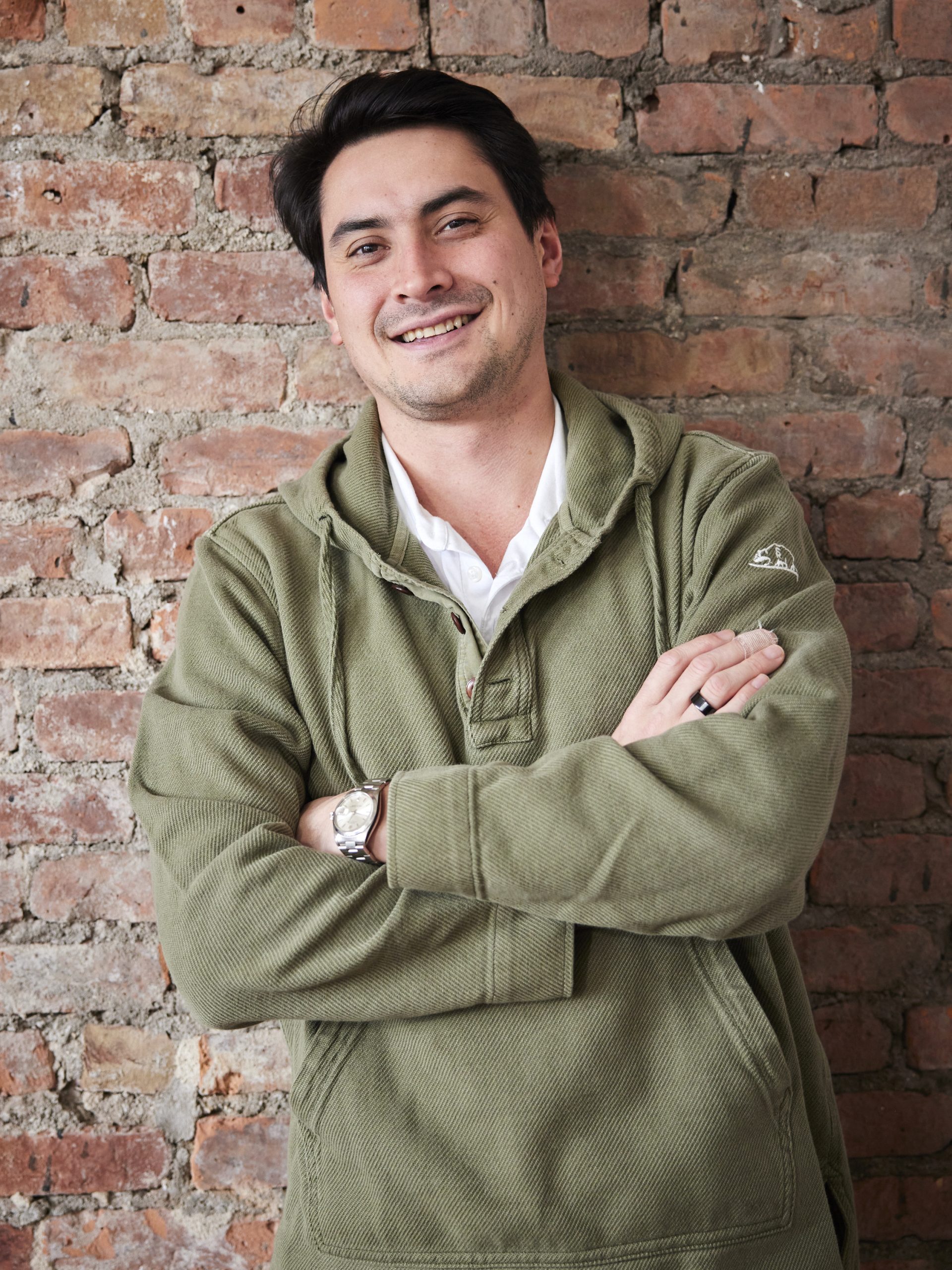
But the real skill they’ve learned from Colby isn’t as tangible as spreadsheets or product roadmaps. “I’ve had a newfound appreciation for all the things that don’t show up in a curriculum,” Carroll said. “It’s seldom that I apply a principle from microeconomic theory, for example, but it’s all in your interaction patterns. You learn how to listen to people, how to speak concisely, and how to be on your toes. It’s because a liberal arts education is so much closer to how you behave in the workplace. You don’t walk into a 70-person lecture hall. Business meetings look much more like senior seminars.”
That kind of leadership is what transformed Findigs from a scrappy startup into a full-fledged rental company. Said Gilvar, “No one gets anything done alone. I think many people mistake leadership as a competitive exercise, and what I learned at Colby is that collaboration will get you much further.”
Incubating the next generation of entrepreneurs on campus
Today, entrepreneurially minded Colby students have access to the Halloran Lab for Entrepreneurship, which connects would-be founders with mentors, funding, and innovation spaces to bring their ideas to life.
Said Carroll, “We’ve built one of the most recognizable companies coming out of the last decade at Colby, and we’re so proud of everything our liberal arts education gave us to get to this point. I’m just excited we can play a small part in Colby becoming a center for people to learn how to build companies, and help the next generation of entrepreneurs.”