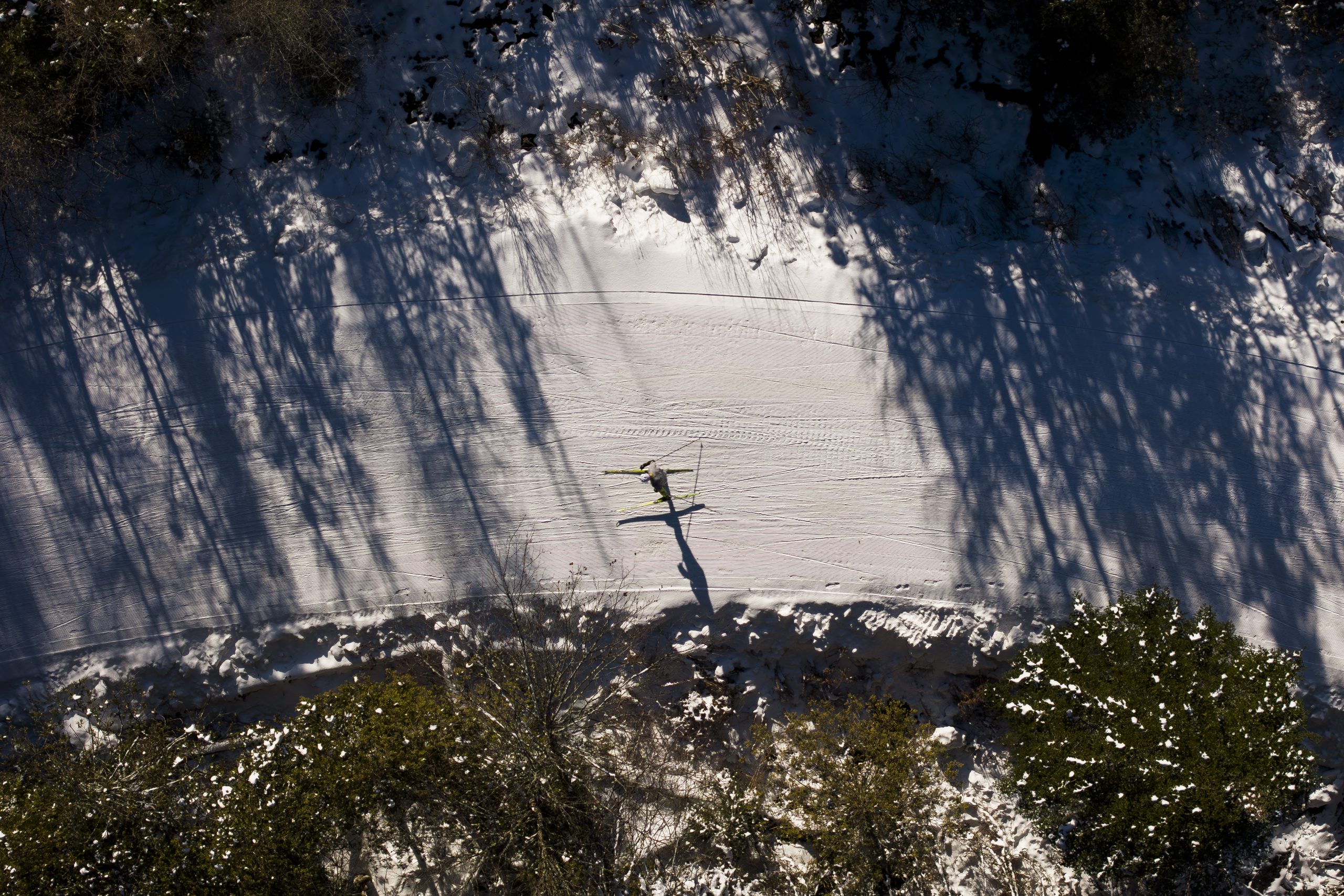
The Zen Master of Snow Grooming
For Eric Hanson ’89, being chill is key to creating some of the best cross-country ski conditions in the Northeast

When Eric Hanson ’89 was at Colby, he had a housemate who was prodigious with nicknames. Jake Ulick ’89 called him “The Iceman.” Ulick called him “Freeze,” and the names fit. Hanson was a member of Colby’s first varsity Nordic ski squad, joining as a first-year in 1985, when cross-country ski aficionados were obliged to do speed workouts on rutted, sparsely-groomed snow on the campus rugby field.
The nicknames also conjured Hanson’s childhood. He grew up in Rochester, Minn., building giant ski jumps and dousing his luge runs with water, so they’d turn icy and slick. But who knew that Ulick’s naming would prove prophetic?
For the past two decades, Hanson has led a team of snow groomers at New England’s premier cross-country ski venue, the Craftsbury Outdoor Center. Situated in northern Vermont, Craftsbury is a singular eco-haven where copious solar panels and high-tech composting toilets play background to serious college and citizen races. But what distinguishes the place, really, is its highly skiable snow.
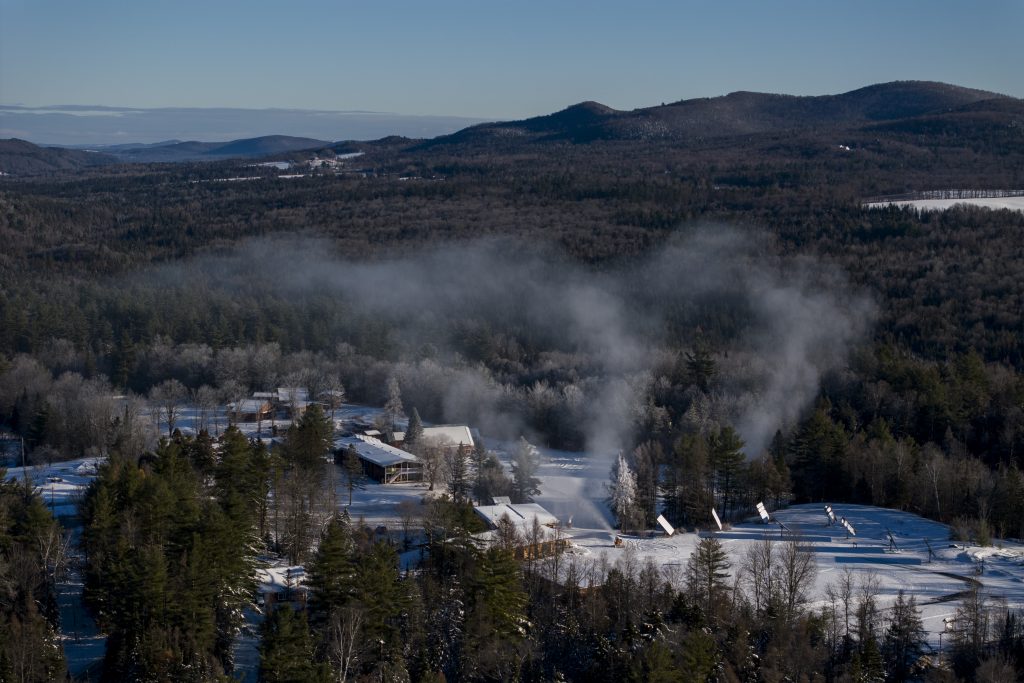
As the weather evolves, snow grooming has become an increasingly fraught enterprise. Winters are warmer now. We get monsoon rains in February, and freeze-thaw cycles abound. In the wrong hands, today’s trails are often boilerplate ice. At Craftsbury, though, the snow tends to spool like velvet under one’s skis, and this is because Hanson is forever out there fussing over it, as a winemaker tends to his vines.
In advance of last year’s Craftsbury Marathon Ski Festival, a four-race January fiesta, he identified hundreds of danger zones or low-snow areas along the 15-km course, then spent 50-odd hours shoveling white stuff onto these zones, shoring up core strength worthy of an Outside magazine photo shoot as a Zen tranquility enveloped his mind. “It’s super meditative,” said the soft-spoken Hanson. “When I’m shoveling, sometimes I follow animal tracks—deer, coyote, fox. Snowshoe hare like young stands of trees for winter browsing. We had a group of bobcats here for about a decade.”
A biologist by training
Hanson is a conservation biologist who came to snow grooming by chance. In 1998, after earning his master’s at the University of Minnesota, he became lead biologist for the Vermont Loon Conservation Project. It was a dream job, but it paid $7 an hour, and Hanson’s wife was soon to give birth to their son, Anders. Hanson began teaching ski lessons at Craftsbury, but after two seasons, he switched to grooming.
We often think of science happening in labs by people wearing white coats. But Hanson practices his brand of science on frozen terrain in the dead of night, dressed in cold-weather gear while operating rugged equipment. When skiers see a pristine playground, they may not realize the science necessary to make skiing safe.
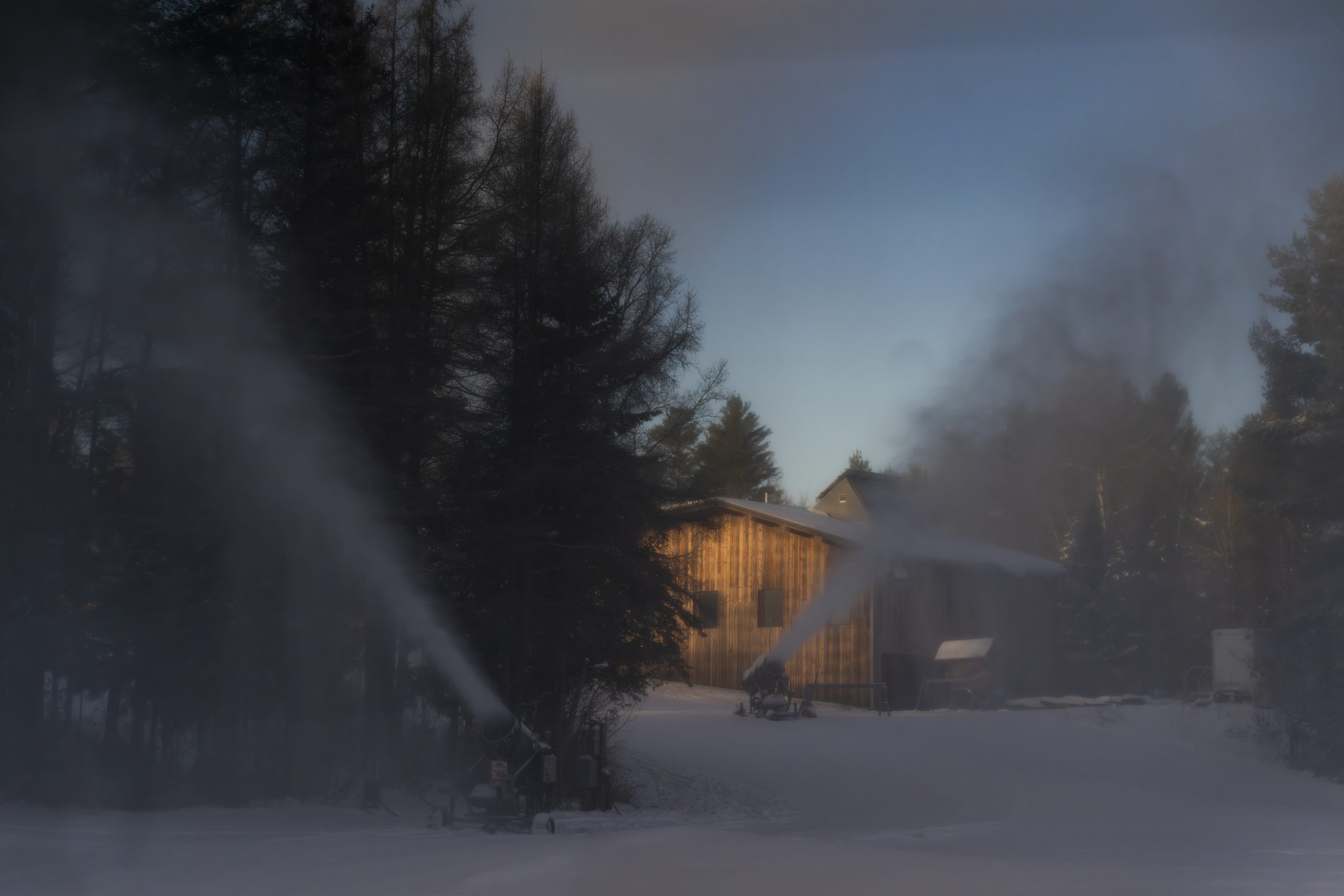
He’s brought a scientist’s mind to the enterprise—a keen eye for the way snow is shaped by climate and weather—and this is most evident early in the season. When Hanson started at Craftsbury, cold November nights were a given. Temperatures routinely dropped below 20 degrees Fahrenheit, and then the Craftsbury crew would fire up the snowguns to meet diehards’ thirst for tracks on Thanksgiving.
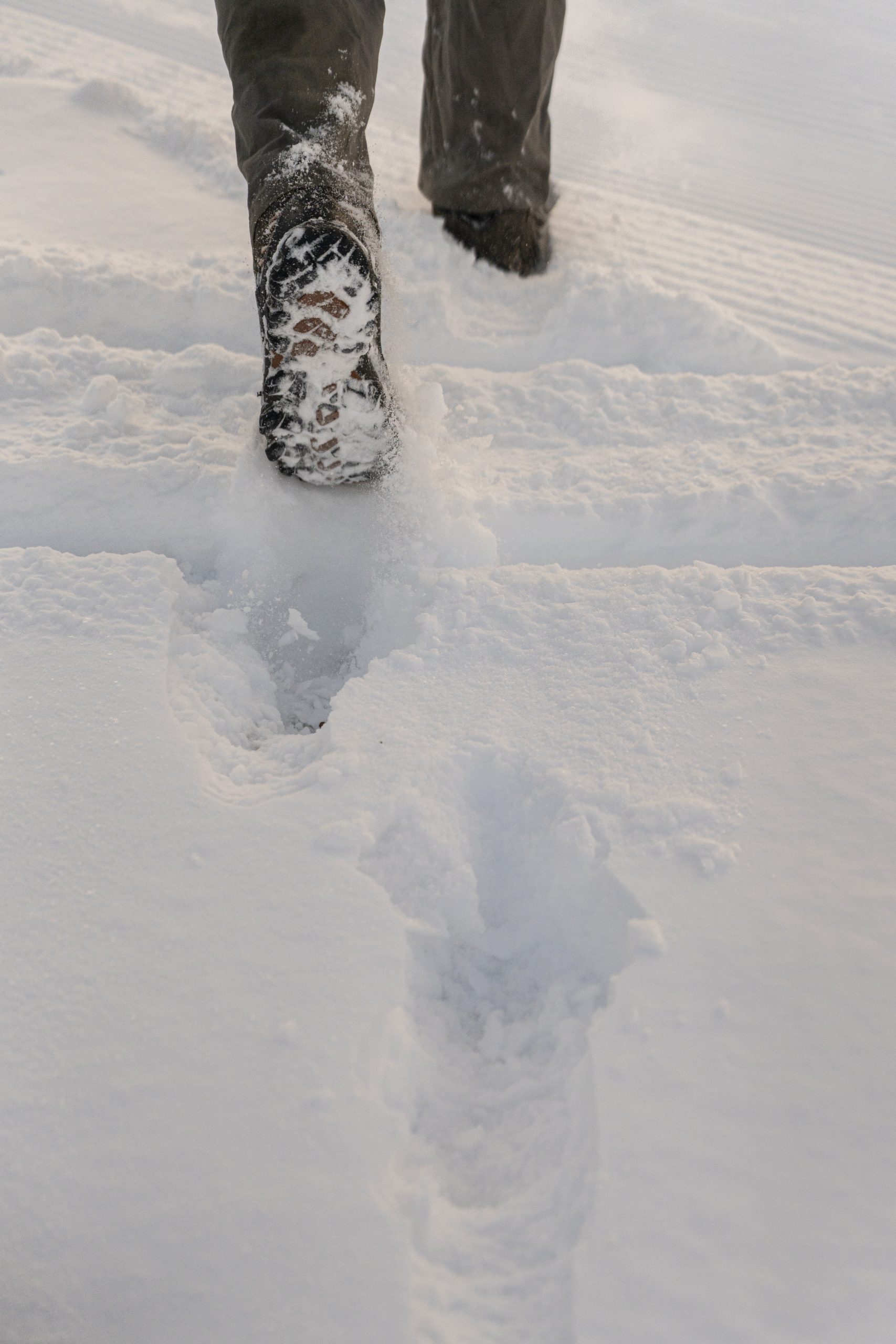
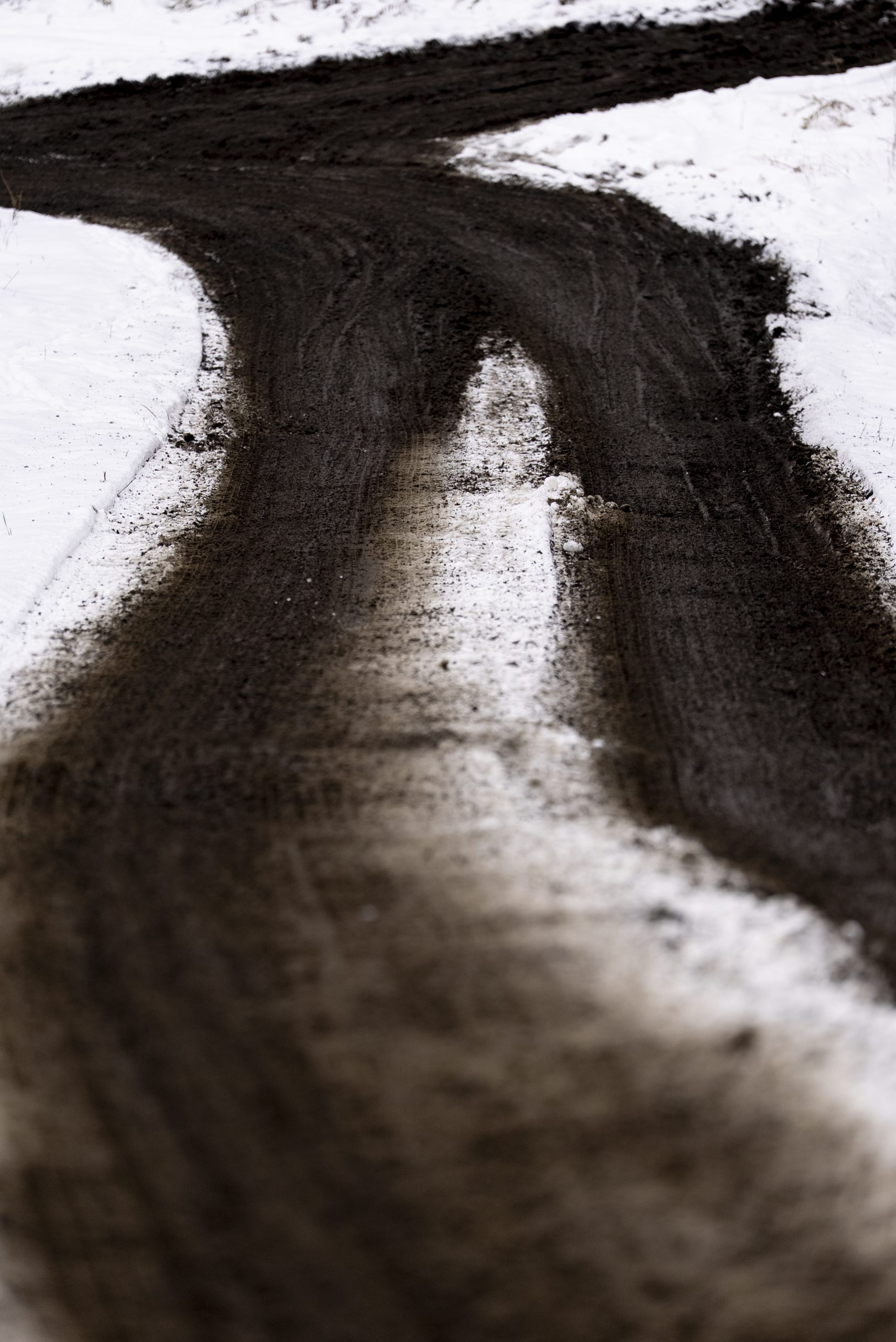
Now, November is warmer in northern Vermont and snowmaking iffier. Above 20 degrees, artificial snow comes out of the guns gloppier and wetter, so since 2019 Hanson has started thinking about Thanksgiving 10 months in advance: in the chill of January and February, he blows giant, 25-foot-high piles of snow. Then he covers the piles with sawdust so that, come November, he and his crew can begin spreading a ribbon of saved, skiable snow on the ground.

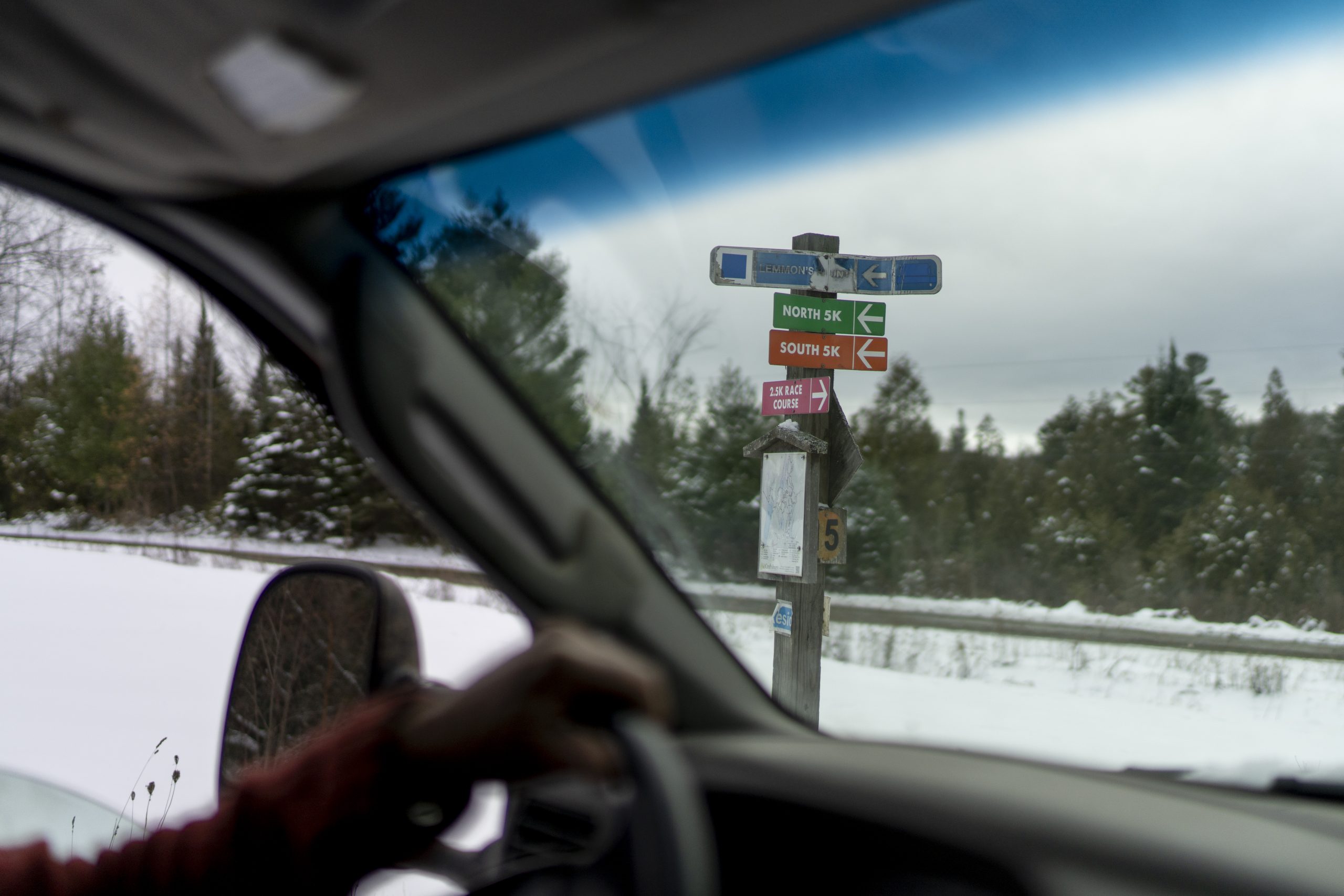
The work is almost as laborious as building a railroad. It takes a team of four a full day to blanket 500 meters of trail 10 inches deep. They use diesel dump trucks carrying loads of snow made by diesel-powered guns, and the whole enterprise makes Hanson feel guilty. “It’s definitely contributing to climate change,” he said, “and I have to wonder, ‘Is this really the best way?’”
A regional ski mecca
But no other ski area in the United States, Alpine or Nordic, stockpiles as much snow as Craftsbury, and over the Thanksgiving break, the place is a mecca for New England’s most obsessed Nordic skiers. A half-dozen college teams jockey for time on an undulating one-kilometer loop.
Hanson, who still races occasionally, will ski a few laps, but he spends most of his winter energy puzzling over the demons like “death cookies,” which are chunks of ice, usually the size of golf balls, that can form on a trail amid a freeze-thaw cycle, ready to induce ugly crashes.

More than a quarter-century into his snow-grooming career, Hanson still puzzles over how grooming can make and unmake the death cookie.
“When you till ice with a groomer,” he said, “It can turn out really nicely where you’ll have a quarter-inch of fine crushed ice and beautiful skiing. But sometimes when the tiller hits the snow, it breaks it up into these bigger chunks.”
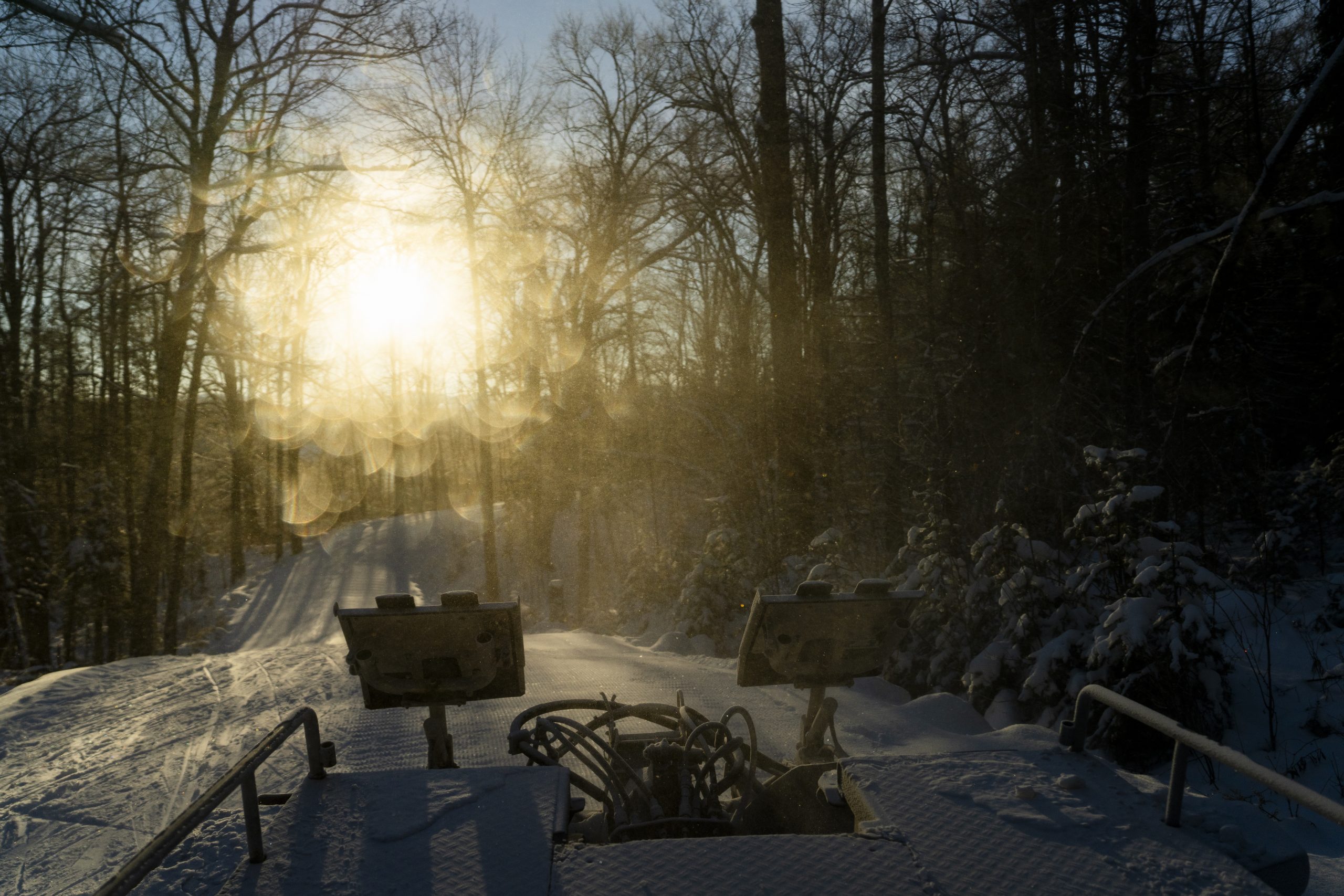
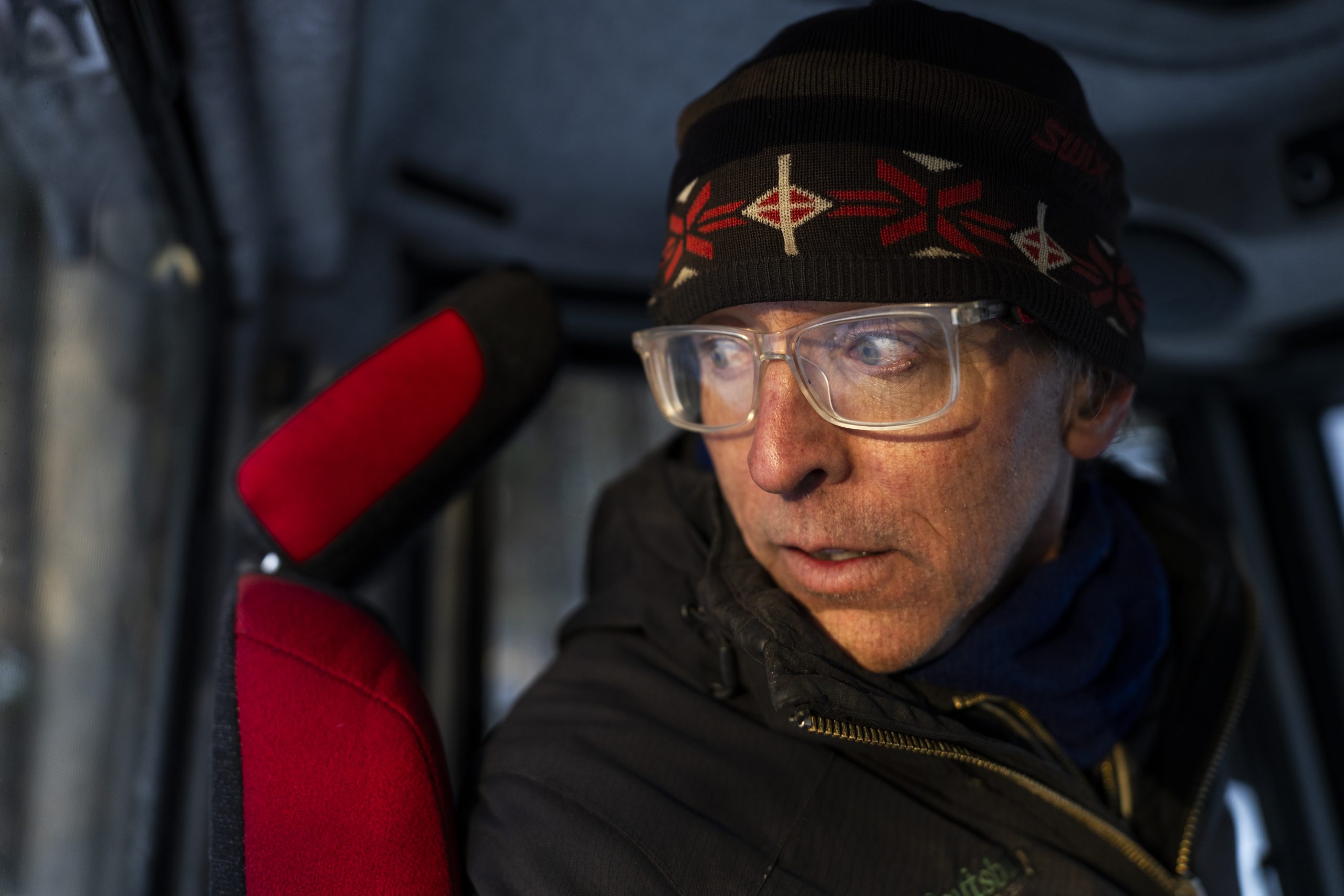
Recently formed boilerplate ice is the source of the death cookies, he added. “Think 45 degrees Fahrenheit and rain with temperatures then falling to 5 degrees overnight. It’s a skating rink out there. The first time we till the snow, it is chunky, but three or four passes later, we can have great skiing again. We’ll only open a few kilometers of trail at a time after these thaw-freeze events to create a better and safer experience for skiers instead of opening tens of kilometers that are mediocre.”
Informed by science
The discovery was rooted in Hanson’s study of chemistry—in his recognition that snow molecules are “full of edges, and as those freeze and thaw, they become brittle. Our theory,” he said, referencing his Craftsbury team, “is that, as those crystals go through freeze-thaw cycles, as they become more water-saturated, their edges become rounder, and they can be crushed into a fine, skiable sugar. But newer, glazed snow? It hasn’t gone through a lot of transformation. It stays globbed.”
Ben Theyerl ’20, who’s now the competitive programs director at the New England Nordic Ski Association, regards Hanson as a scientific wiseman.
“When it comes to grooming a race course,” Theyerl said, “and to weathering the storm of our changing winters, Craftsbury is leading the way, and Eric is leading Craftsbury.” Theyerl noted that at Colby’s own Nordic ski venue—Quarry Road Trails, in Waterville—Programs Director Jeff Tucker ’16 has followed Hanson’s lead and begun “to blow snow as soon as it gets cold. You’ll see huge piles of it at Quarry Road, and that’s because there was a little cross-Colby pollination: Jeff learned from Eric.”
Craftsbury’s Director of Ski Racing Ollie Burruss said, “Eric has single-handedly saved events at the Outdoor Center through sheer force of will—and perhaps more than a little spite in the face of an uncooperative Mother Nature.”
But Hanson isn’t hungry for accolades. His life in Vermont’s peaceful hinterlands has worked out. The loons? They were endangered when Hanson started in the Green Mountain state, but over the past 20 years, Vermont has boasted the highest loon-chick survival rate in North America. And that infant son? Anders Hanson was a fierce Nordic racer for Colby before his 2022 graduation.
Eric Hanson does worry about the future of skiing in New England, but this time every year, he will reluctantly fire up Craftsbury’s dump trucks. He’ll begin moving snow. Then he’ll channel his inner Iceman and wait for the quietude of mid-winter.
“I love being out there in the woods,” he said. “It satisfies my brain to be outside and creating things with a shovel—luge runs, ski race courses, whatever. I guess that’s my art. Bury me with my shovel.”